

What to Wear and What Not to Wear in a Job Interview? Comprehensive Guide
The clothes you wear for a job interview can make a first impression; the perception you create in the first three seconds, your motivation, your ability to think, your professionalism, and your cultural fit within the organization all play a significant role. To increase your chances of success and show respect for the company's values, it is best to dress slightly more formally and neatly than the company's usual daily attire.
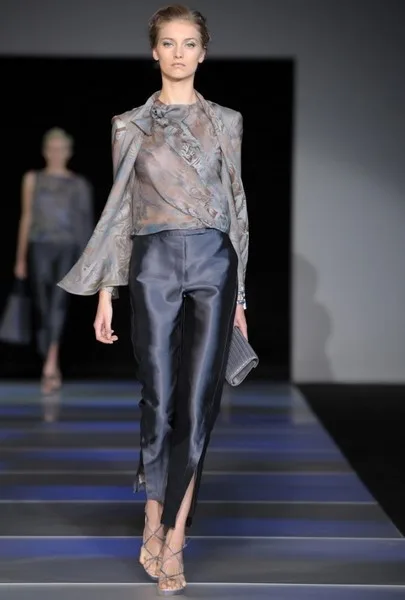
The fit, quality of the fabric, and construction of your clothing directly affect its appearance. A dark-colored outfit (such as black or navy) or a dark-colored skirt paired with a light-colored blouse is a strong choice. A clean and well-groomed appearance can boost your confidence.
Checking the company's website or asking the person you are meeting with about the company's dress code can eliminate any uncertainty; the general rule is to err on the side of caution.
Basic Rules and Things to Avoid in Interviews
Company Culture and Standard Protocol: F Different companies and industries have different dress codes. It is important to research the company culture and show respect for its values; the standard protocol is to dress in a professional and well-maintained manner. Even if your daily attire is more casual, interviewers expect a professional appearance.
Balance of Comfort and Professionalism: The main purpose of dressing for an interview is to feel confident and look professional. Do not wear any pieces that you do not feel comfortable in, even if others look great in them. Also, avoid wearing overly casual or baggy clothing.
Things to Avoid in All Situations: Whether it is a classic business outfit or a casual or relaxed look, avoid wearing dirty or wrinkled clothes, scuffed shoes, chipped nails, athletic wear, athletic shoes, hiking boots, flip-flops, or overly short or tight skirts and tops.
Virtual Interview Preparation: Follow the same rules as in-person interviews during virtual interviews. Even if you are in the comfort of your home, make an effort to dress professionally and appropriately.
Industry-Specific Outfit, Cut, and Color Selection
Appropriate Style for the Job: Whether you are interviewing for a job in finance, sales, or law, a safe choice is to wear neutral colors, a white shirt, simple jewelry, and classic shoes with low heels. For healthcare, social, or childcare positions, natural-textured, comfortable fabrics in pastel tones create a positive and friendly impression. For communication, advertising, and art-related roles, there is more room for creativity; however, it is important to maintain a balanced look.
Cut and Silhouette: Deep necklines, very tight-fitting clothes, and mini skirts are more of a disadvantage than an advantage in an interview. Opt for well-fitting clothes instead of those that are too tight; if you choose a tight skirt, make sure the top complements it.
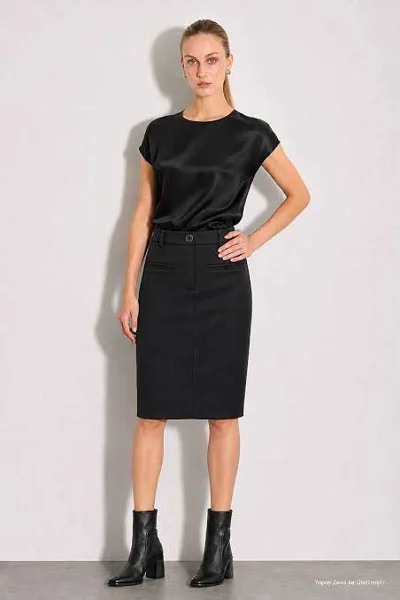
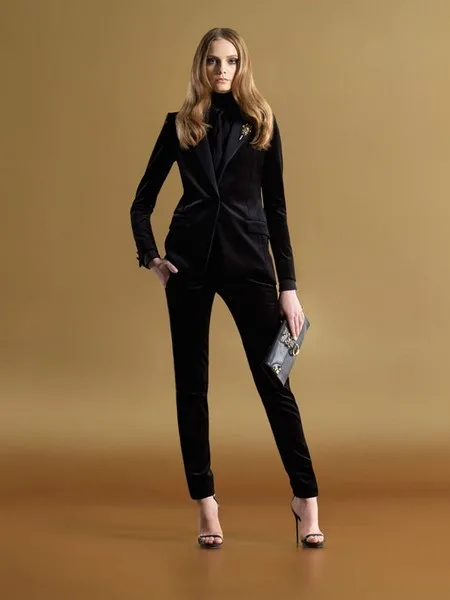
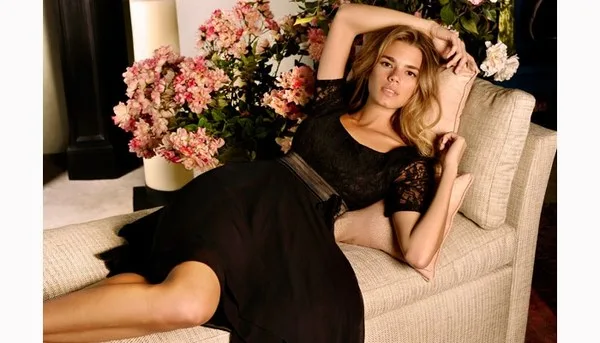
Black pencil skirt and simple style. Source: Gusto
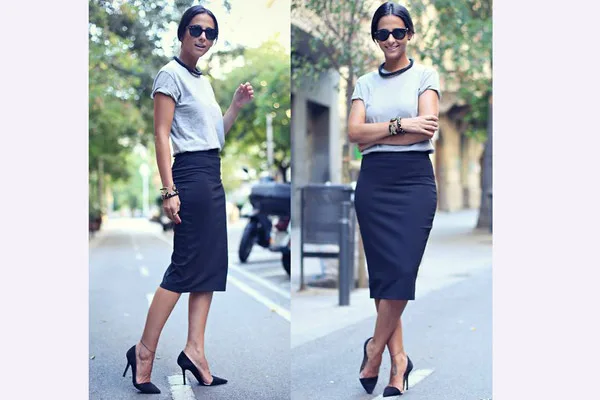
Color Palette and Black Pencil Skirt: Black, white, gray, blue, and pastel colors create a professional look. A black pencil skirt is a stylish choice. If you are concerned that it might be too short, you can pair it with dark-colored tights.
Details on Shoes, Accessories, and Grooming
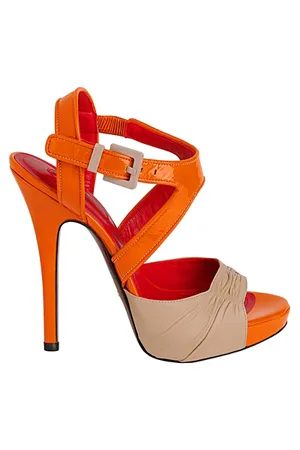
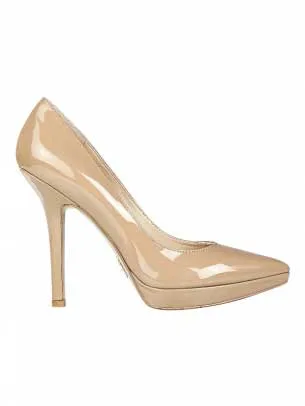
Shoes and Accessories: Avoid high heels and platforms; opt for classic and elegant shoes with a moderate heel that covers your toes. Make sure your accessories are not too bulky; a small notebook and a small water bottle are suitable.
Jewelry Selection: Keep your jewelry minimal in formal or simple outfits; a small pair of earrings or a watch completes the look. Avoid wearing overly expensive jewelry.
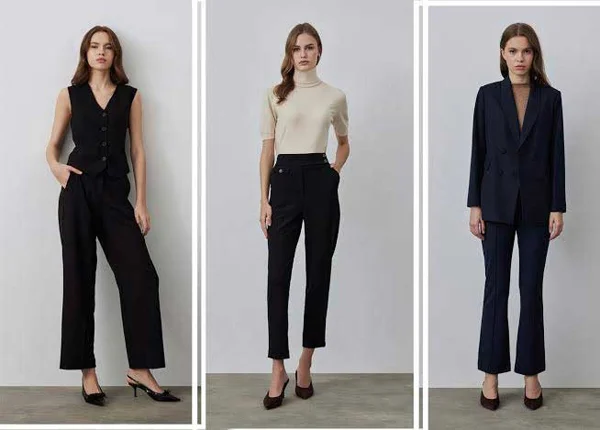 Photo: gustoeshop
Makeup, Nails, Hair, and Perfume: Opt for a neat and simple makeup and a matching lipstick. Well-groomed nails and a clean hairstyle are also important. Avoid wearing strong floral or spicy perfumes.
To ensure success in your interview, good luck!