

Another Way to Massage: Massage Techniques You Can Use at Home
Constant cravings, the inability to resist junk food, or feeling like your circulation is slowing down are common complaints. While starting a diet program may seem easy, it can be difficult to maintain, but focusing on supportive habits that promote relaxation and awareness can make the process easier.
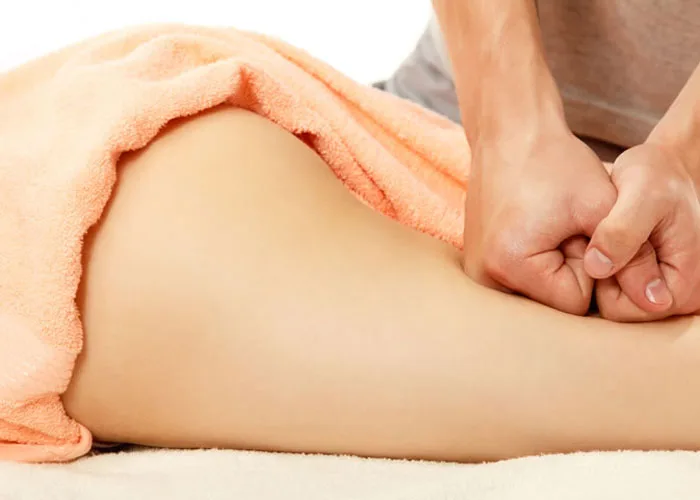
One of the most enjoyable ways to relax a tired body and mind is through massage. When we experience pain in a particular area, we instinctively rub or massage that area, which allows the effects of touch to be experienced in its most natural way. Gentle touches and rhythmic finger movements help to improve blood circulation in muscles and tissues, which in turn reduces tension.
In traditional Chinese medicine, the body, mind, and spirit are considered as a whole, and it is believed that the life energy flows freely within this unity. Stress, irregular eating habits, and lack of exercise can disrupt this balance. By performing simple massage movements that can be easily done at home, you can both relax and support your slimming and shaping process.
Targeted Massage Movements You Can Use at Home
You can apply these practical touches in a calm environment, without rushing.
Movements to Help Resist Cravings and Snacking
Place your hands together on your chest and push them inward, then relax your neck muscles for 1 minute.
Gently massage your temples with your fingertips for 1 minute.
Place the tip of your big toe in the depression of your little toe and make small circles for 1 minute.
Massage to Relieve Swelling in the Legs
Place your fingertips on the back of your ankles. Gently massage the area between your ankle and calf for 1.5 minutes with circular movements.
Movements to Balance Energy Flow
Place both hands on the lower part of your back, just above your ribs. Move your legs up and down in parallel with your spine for at least 30 seconds.
Gently massage your forehead with your middle finger for 1.5 minutes with circular movements.
Stand upright and relax your shoulders. Place your hands on the four fingers of your waist and gently massage the area with your thumbs.
Movements to Support Metabolism and Circulation
Hold your foot with your left hand. Gently massage the area near your fingers on the bottom of your foot with your right hand's thumb for 1 minute; then apply gentle pressure to the center of your big toe for 1 minute. (In reflexology, these areas are associated with the digestive system.)
Place your hands on your calves; your index fingers should be behind, and your other fingers in front. Gently slide your hands towards your groin for at least 30 seconds.
Massage: Breathing, Technique, and Things to Keep in Mind
Breathing and technique are important for enhancing the effects of massage:
Breathing control: Breathe slowly and deeply from your nose and exhale calmly from your mouth.
Correct pressure: The goal is relaxation and comfort. If you feel pain or discomfort during massage, stop the movement at that point. Avoid excessive pressure.
Warm your hands: Warming your hands for 20 seconds by rubbing them together before starting provides a more comfortable start.
Aromatic oils: Using appropriate carrier or aromatic oils can make the massage experience more relaxing. (It is recommended to test a new oil on a small area of skin before using it on a larger area, and to consult a specialist if you have any skin sensitivity or allergy risk.)
Benefits of Massage
The main effects of regular and conscious massage on the body are:
It helps to stimulate blood and lymphatic circulation.
It supports the removal of fluids and metabolic waste from the body.
It indirectly contributes to the functioning of internal organs and stimulates underused muscles.
It supports skin rejuvenation and makes muscles feel firmer.
It provides mental and physical relaxation, which supports the recovery process.
When combined with a balanced diet and exercise, it helps to control weight and reduce the appearance of cellulite.