
#Advertising
Tips for Healthy Hair
Who doesn't want healthy and shiny hair forever... Our hair also needs vitamins just like our bodies. Experts who have been researching healthy hair for many years say that vitamins are necessary for healthy hair. Vitamins, especially, help strengthen hair roots, promote hair growth, and keep the scalp healthy.
Especially in the summer, our hair, which is heavily damaged by the sun and swimming pool water, is no longer sufficient to strengthen. Therefore, we need to find a different way to nourish our hair from the roots. Is it everyone's dream to have beautiful, healthy, and shiny hair? Then, without wasting any time, add the following foods to your diet!

|
Contents: How to Eat for Healthy Hair and Beauty?
|
#Advertising
What to eat for healthy hair?
1. What Damages Hair?
Various factors can change the normal hair growth cycle, and chemicals, chemotherapy, nicotine, hormonal factors, thyroid disease, stress, or nutritional factors can cause temporary or permanent hair loss.
A healthy diet can help strengthen your hair and prevent hair loss. If you can't get certain nutrients from your food, you can see the effects on your hair.
#Advertising
2. What is Hair Made Of?
Hair is mainly made of keratin, a protein that also makes nails and the outer layer of the skin. Each hair has three layers:
1. Cuticle - the outer layer, thin and transparent. It protects the hair.
2. Cortex - the inner layer, which contains melanin, which gives hair its color.
3. Medulla - the innermost layer, which reflects light.
Did you know that the shape of your hair depends on the shape of your cortex? For example, blondes have more hair, and redheads have less.
How to Eat for Healthy Hair?
3. What to Eat and Drink for Healthy Hair?
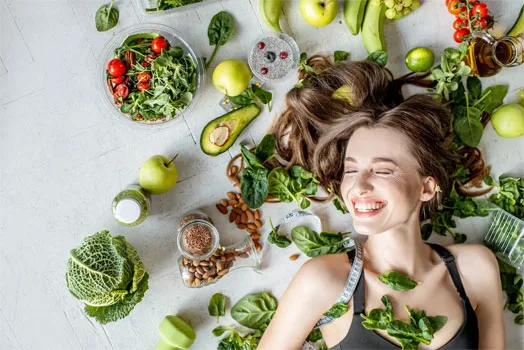
A balanced diet is necessary for healthy hair and scalp.
3.1. Vitamin A
Vitamin A, which is found in fruits and vegetables, is found in cheese, milk, eggs, fish oil, red meat, spinach, broccoli, and carrots. Vitamin A is an antioxidant that protects hair from damage. It nourishes the scalp and prevents dryness and flakiness. If you regularly consume these foods, you will notice changes in your hair.
Vitamin A is necessary for our hair to stay hydrated and grow. Vitamin A is needed to make sebum, which is a fatty substance that our bodies produce to keep our hair healthy. Without sebum, our scalp can become dry and itchy.
Include beta-carotene-rich foods such as carrots, pumpkin, and sweet potatoes.
3.2. Vitamin E
Vitamin E is an antioxidant that protects hair from sun damage. Nuts, seeds, and vegetable oils are good sources of vitamin E.
Soybeans, soybean oil, vegetable oil, nuts, seeds, and green vegetables are sources of vitamin E. Vitamin E helps improve blood circulation in the scalp.
3.3. Vitamin C
Vitamin C, which is found in fruits and vegetables such as citrus fruits, green vegetables, tomatoes, strawberries, cabbage, and guava, is essential for healthy hair. Vitamin C helps strengthen collagen, which is important for hair growth.
Vitamin C also helps absorb iron, so it is important to eat foods rich in vitamin C with iron-rich foods. Vitamin C is also an antioxidant, so it is easily used by the body. Good sources include kiwi, blueberries, broccoli, guava, oranges, papaya, and strawberries. Vitamin C helps strengthen hair strands by promoting the production of collagen.
3.4. Vitamin D
Vitamin D deficiency can cause hair loss.
3.5. Vitamin B12
Vitamin B12 is found in animal products such as fish, milk, and chicken. Vitamin B12 helps prevent hair loss.
3.6. Zinc and Selenium
Zinc and selenium are important minerals for hair health. A lack of zinc can cause hair loss and dry, flaky scalp.
Omega-3 for Hair Health
Omega-3 fatty acids are essential for healthy hair.
Eating fatty fish such as salmon, sardines, and mackerel provides omega-3 fatty acids. Your body cannot produce these essential fatty acids, so you need to get them from your diet. Omega-3s help protect against diseases, but they are also essential for your hair to grow and stay healthy.

Omega-3 fatty acids are essential fatty acids that our bodies cannot produce on their own, so we need to get them from our diet. Omega-3s are found in the outer layer of our scalp and also provide the fatty substances that keep our hair healthy and hydrated. Eat fatty fish such as salmon, herring, sardines, and mackerel, as well as plant-based sources such as avocados, pumpkin seeds, and walnuts.
3.10. Biotin
Biotin, also known as vitamin B7, is a water-soluble vitamin.
3.11. B3 Vitamin
B3 vitamin, also known as niacin, is essential for hair health. It helps improve blood circulation in the scalp, which promotes the health of the hair follicles.
3.12. Protein
Protein is essential for healthy hair. Hair is made up of protein, so eating enough protein is important for strengthening and maintaining healthy hair. If you don't get enough protein in your diet, your hair may become dry, brittle, and weak. Good sources of protein include fish, chicken, eggs, and plant-based foods such as beans and lentils.
#Advertising
3.13. Iron
Iron is essential for hair health. A lack of iron can cause hair loss and dry, flaky scalp.
3.14. Other Important Nutrients
In addition to the nutrients mentioned above, there are other important nutrients that can help promote healthy hair growth. These include:
- Omega-3 fatty acids
- Biotin
- Vitamin C
- Vitamin E
- Zinc
- Selenium
By eating a healthy and balanced diet that includes these nutrients, you can help promote healthy hair growth and prevent hair loss.
Conclusion
Eating a healthy and balanced diet is essential for healthy hair. By getting enough of the essential nutrients, you can promote healthy hair growth and prevent hair loss.
Disclaimer
The information provided in this article is for general knowledge and informational purposes only, and does not constitute medical advice. It is essential to consult with a qualified healthcare professional for any health concerns or before making any decisions related to your health or treatment.