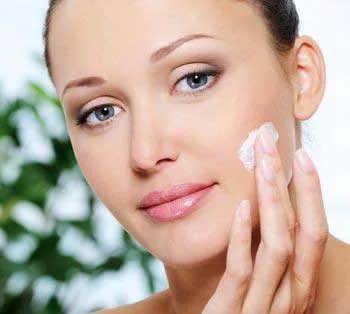


Natural Homemade Masks and Skincare Guide for Acne and Blackheads
Over time, excessive sebum (oil), environmental dirt, and dead skin cells clog pores, leading to the formation of blackheads (open comedones) and acne. While traditional recipes using ingredients from the kitchen or garden are often researched for cleansing pores, it is important to know that each mixture may not be suitable for the skin barrier and to take precautions against irritation.
Traditional Blackhead and Acne Mask Recipes
These recipes, passed down through generations, are used at home for mechanical cleansing and soothing; however, it is important to consider the effects of the ingredients on the skin before applying.
1. Oat and Almond Exfoliating Mask
This mixture, which utilizes the mechanical peeling effect of oats and almonds, aims to cleanse the skin surface of dead cells.
Ingredients:
- 250 gr oats
- 120 gr finely chopped almonds
- 60 gr senna leaf powder
- 15 gr (about a teaspoon)
- 1 tablespoon olive oil
- 2 tablespoons water (can be added gradually to achieve the desired consistency)
Preparation and Application: Mix the dry ingredients and olive oil, then add water and mix until a paste forms. Gently massage onto the areas with the most congested blackheads, then rinse off with warm water without irritation.
2. Clay and Tea Tree Solution (Caution Required)
This mixture, found in traditional sources, consists of clay and tea tree oil dissolved in hot water.
Ingredients:
- 1 tablespoon clay
- 3 drops tea tree oil
- 1 cup hot water
Preparation and Safety Note: Mix the ingredients in hot water.
Important Warning: Applying tea tree oil (diluted) and concentrated salt to the face can cause serious dryness, burning, chemical irritation, contact dermatitis, and discoloration of the skin. Direct application of hot or very hot liquids to the face can also cause burns. Therefore, this application is not recommended in modern skincare.
3. Herbal and Lanolin Acne Treatment Cream
This traditional recipe, prepared by simmering apple, fennel, carrot, and rose water, is used for regional care.
Ingredients:
- 4 cups rose water
- 2 apples, sliced
- 2 tablespoons grated carrot
- 2 tablespoons grated fennel
- 8 gr (half a tablespoon) wheat flour
- 1 teaspoon lanolin
- 3 egg whites
Preparation and Application: Simmer rose water, apples, carrot, fennel, wheat flour, and grated carrot in a pot with boiling water until softened and pulpy.
After cooling, mix in egg whites and lanolin and whisk until a smooth consistency is achieved. Apply to cleansed skin on areas with acne, leave for 15-20 minutes, then rinse off with warm water.
Things to Keep in Mind When Treating Acne and Blackheads
Using the wrong home remedies on acne-prone and sensitive skin can clog pores further or increase inflammation.
Avoid Harsh Scrubbing: Avoid scrubbing with ingredients like almond particles, salt, or soaps, as this can cause micro-abrasions, redness, and increased sebum production.
Pay Attention to Pore-Clogging Ingredients: Ingredients like lanolin, which are rich and oily, can clog pores in oily skin, leading to comedogenic effects.
Protect the Skin Barrier: Using soap-based recipes can disrupt the skin's natural pH balance, leading to dryness. It is important to support the skin with a non-greasy, water-based moisturizer after application.
Patch Test and Consult a Professional: Before applying any mixture to your entire face, do a patch test on your chin. For inflamed, painful, or widespread acne, it is safer and more effective to use treatments recommended by a dermatologist, such as salicylic acid (BHA) or retinoid-containing products.
Frequently Asked Questions (FAQ)
Why do blackheads and acne form?
Blackheads and acne form when the sebum (oil) glands in the skin produce excessive sebum, dead skin cells accumulate in the pores, and bacteria multiply. This blockage of the pores leads to the formation of blackheads (open comedones) and acne.
Is it safe to apply tea tree oil and salt water to the face?
No. Tea tree oil and concentrated salt water can irritate and damage the skin. They can disrupt the skin barrier, cause allergic reactions, burns, and discoloration.
Should I leave soap-based masks on my skin for 1 hour?
No, soap-based and abrasive masks should not be left on the skin for long periods, as this can disrupt the skin's pH balance and cause dryness and irritation.
What can I do to permanently get rid of blackheads?
To permanently get rid of blackheads, it is important to cleanse the skin with a gentle cleanser, use non-comedogenic (pore-clogging) moisturizers, and apply sunscreen. For more effective and permanent solutions, consult a dermatologist for treatments like salicylic acid (BHA) or retinoid-containing products.