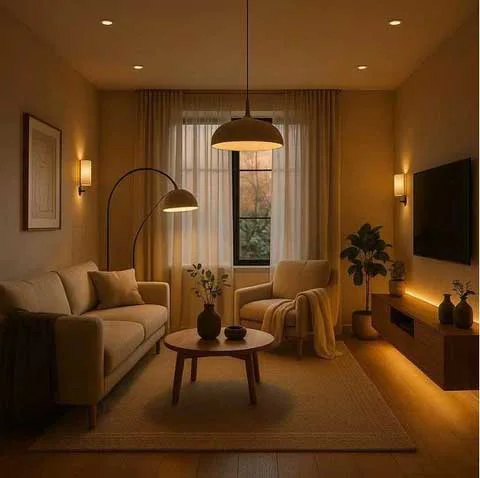


Reflect Your Inner Light in Your Home: Room-by-Room Lighting Guide
Light is not constant and unidirectional; its intensity varies depending on the surface, time of day, and light source used. By arranging your indoor spaces according to the natural daylight openings and placing appropriate artificial lighting elements in the right places, you can transform dark rooms into comfortable and inviting living spaces. Just like wall paint, the right lighting is the most effective way to create volume, depth, and warmth in a space.
What are the Basic Types of Lighting?
To create a balanced and functional light in your home, instead of sticking to a single ceiling fixture, you should combine different types of lighting:
General Lighting: This is the main lighting layer that evenly illuminates the entire room and creates the basic ambiance of the space.
Direct Lighting: This type of lighting directs the light from above or directly onto a specific surface (such as spotlights, chandeliers, or reading lamps); it clarifies the target area while highlighting the shadows around it.
Indirect Lighting: This system diffuses the light onto the walls or ceiling, creating a soft and gentle effect in the space (such as lamps, wall sconces, or hidden LED strips); it provides a relaxing atmosphere without straining the eyes.
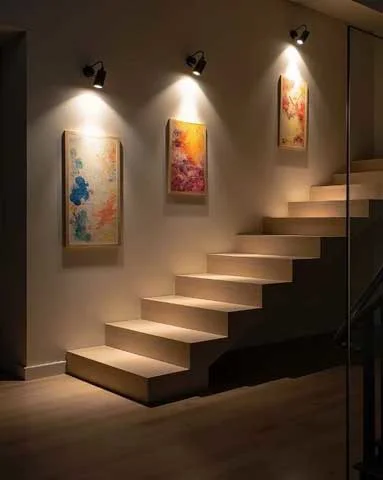
Functional (Task) Lighting: This is focused lighting required for specific activities or safe passage, such as reading corners, kitchen countertops, bathroom mirrors, corridors, and staircase steps.
Why is Understanding Lighting Types Important?
Accent and Decorative Lighting: These are lights used to highlight objects such as paintings, sculptures, bookshelves, or special furniture.
Kinetic Lighting: This is the effect created by moving and changing light sources such as natural sunlight, fireplace, or candle light.
Decoration Tip: Using both a focused lamp next to the reading chair and a soft-lighting floor lamp, you can achieve the ideal lighting in living rooms.
Lamp and Bulb Types: Energy Efficiency and Light Quality
When planning your lighting, energy efficiency, lifespan, and light color (Kelvin value) directly affect your budget and eye comfort:
LED Bulbs (The Standard of Today): These provide the highest energy savings with an average lifespan of 15,000 - 25,000+ hours. They do not heat up, provide full light immediately, and offer options for warm, natural daylight, or white light.
Energy-Saving Fluorescent Lamps (CFL): These have an average lifespan of 6,000 - 8,000 hours. They are more economical than traditional bulbs, but it may take a few seconds to reach full brightness.
Halogen Lamps: These have an average lifespan of 2,000 hours. They provide a bright light that is close to natural daylight, but they consume more energy and heat up more than LEDs.
Accor Flame Lamps: Due to their short lifespan of approximately 1,000 hours and high electricity consumption, they have largely been replaced by modern decorative LED models in the present day.
Note: Fluctuations in network voltage, humidity, dust, and frequent switching can directly affect the lifespan of the lamps.
How to Light Each Room Correctly?
Since the purpose of each room is different, the lighting arrangement should also be customized according to the needs of the space.
1. Living Room and Hall Lighting
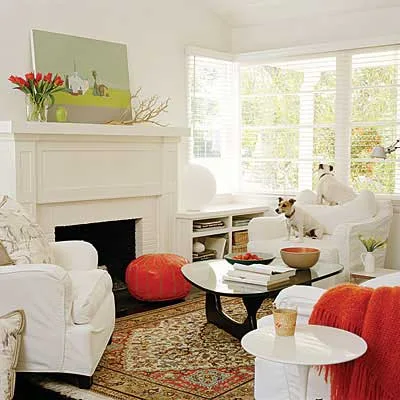
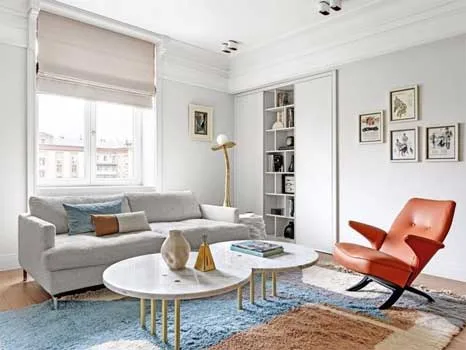
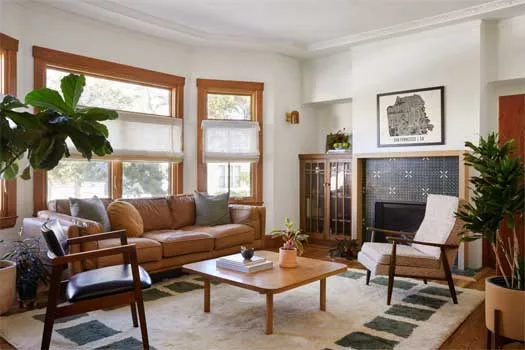
The living room is the center for activities such as relaxation, receiving guests, watching television, and eating. Therefore, using both direct and indirect sources together is the best solution:
Supplement the main ceiling lighting with floor lamps, table lamps, or sconces placed in different corners of the room.
To avoid eye strain while watching television, avoid placing the screen directly in front of or above it; use a soft ambient light behind or on the side of the television.
Highlight paintings and decorative objects with small directional spotlights to add depth to the room.
2. Study Room and Desk Lighting
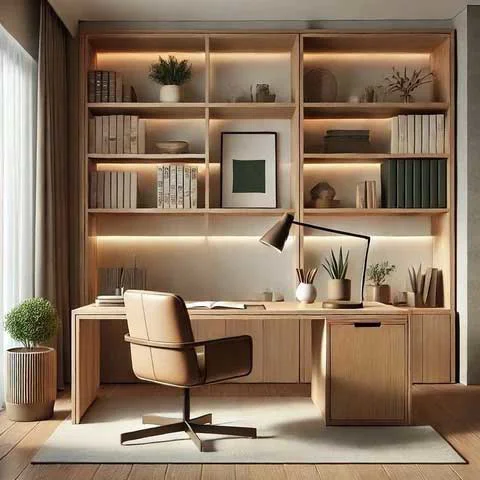
Çalışma areas require focused lighting to avoid eye strain:
Çalışma table should be placed as close as possible to natural daylight.
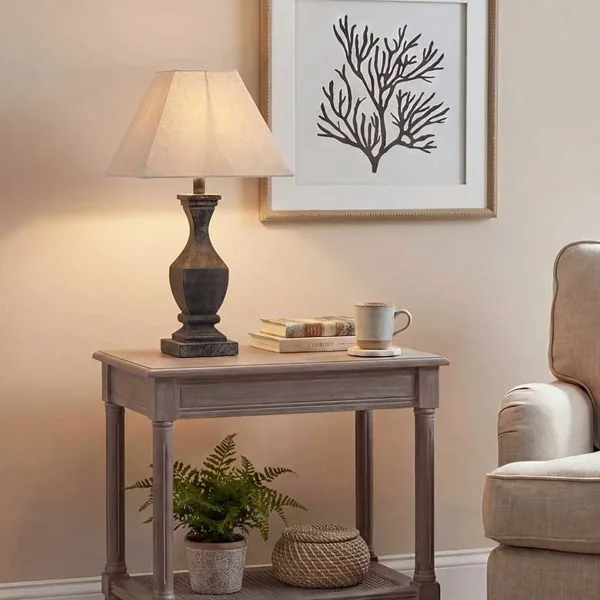
Do not place the computer screen directly in front of or above the window or a bright light source; prevent screen glare and do not work in a dark environment with only screen light.
Shadow Rule: Place the desk lamp on the opposite side of the hand you are writing with. If you use your right hand, place it on the left, and if you use your left hand, place it on the right.
You can use adjustable low-voltage spotlights to highlight bookshelves and shelves.
3. Dining Room Lighting
The main focus in the dining room is the table surface and conversation:
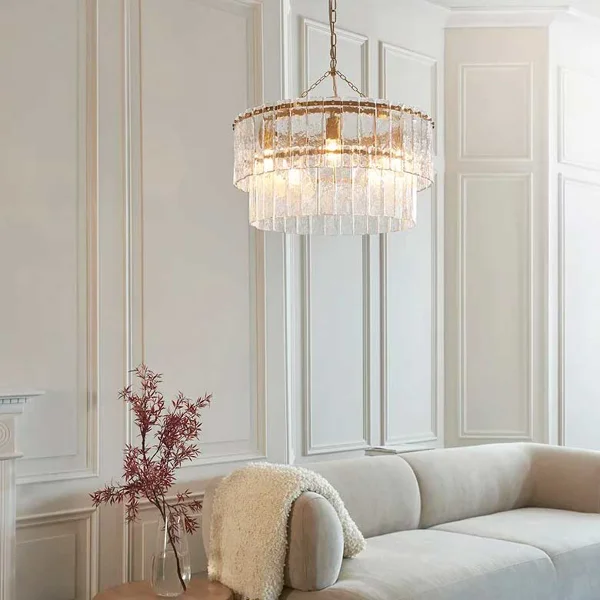
Hang dining room chandeliers at a height of approximately 75-90 cm (about a meter) above the table surface, so that it illuminates the table and does not block the sight of those sitting across from each other.
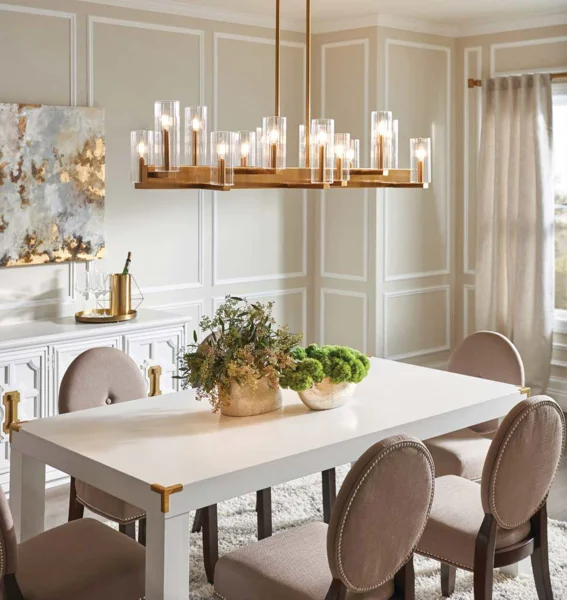
If a ceiling chandelier is not possible, you can use floor lamps, wall sconces, and group decorative candles for a warm ambiance during dinner.
4. Bedroom Lighting
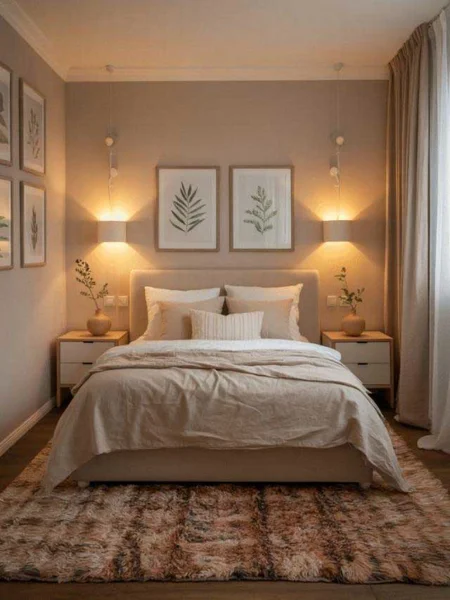
In the bedroom, which is a space for rest, it is best to use soft and indirect lighting instead of harsh ceiling lights:
Lamp Size: Choose lamps with a lamp shade of about 20 cm in diameter for small beds, and 30-40 cm for larger beds. Make sure the bulb does not shine directly into your eyes when you are sitting up in bed.
Wardrobe Interior Comfort: You can add LED spotlights that can be attached to the inside of the wardrobe to avoid searching for clothes in the dark in the morning.
Lighting Shopping and Safety Tips
It is difficult to understand the actual lighting effect of a product in a bright lighting store. Before going shopping, take a small sketch of your room and note the existing power outlets and switches; ask the sales consultant to test the light color of the product you have chosen in your room.
Safety: When installing lighting systems, be careful not to overload outlets, switches, cables, and extension cords. Use high-quality and standard electrical materials; always seek support from a qualified electrician for electrical changes.
Frequently Asked Questions (FAQ)
Should I choose warm or cool light for a relaxing home environment?
Warm and cozy lighting (2700K-3000K) is preferred in living rooms and bedrooms, while natural daylight tones (4000K) are more suitable for kitchens and workspaces.
What should the desk lamp be placed on for a working desk?
The desk lamp should be placed on the opposite side of the hand you are writing with. If you use your right hand, place it on the left, and if you use your left hand, place it on the right.
What height should a dining room chandelier be hung at?
Dining room chandeliers should be hung at a height of approximately 75-90 cm (about a meter) above the table surface, so that it illuminates the table and does not block the sight of those sitting across from each other.
How can I make a dark and sunless room look more spacious?
Using indirect lighting (floor lamps, wall sconces) to reflect light on the walls and ceiling, and using warm-toned LED bulbs, can make a dark room look more spacious and bright.