

Wall Coverings: Wallpaper, Tile, and Wood Guide
While "outdated" wallpaper is making a comeback with modern patterns and durable surfaces, ceramic, mosaic, concrete, natural stone, and wood coverings also add different characters to living spaces. Interior designer Dilek Ulutaşkın shares her recommendations for wall covering types, meter calculations, and application details.
For those who want to highlight the texture, pattern, and material strength of walls instead of simply coloring them in home decoration, there are many options. According to Interior Designer Dilek Ulutaşkın, classic and vinyl wallpapers, wall tiles, concrete textures, natural stone, and wood veneers offer a different approach for each space's needs.
Wallpaper Types and Moisture Area Warning
Ulutaşkın states that wall coverings have become more durable and easier to clean thanks to the developing printing and surface technologies, and mentions that there are many alternatives such as trompe l'oeil designs, landscape prints, and vibrant patterns. However, she emphasizes that not all wall coverings are suitable for all areas:
Classic Wallpapers: These are budget-friendly products that are preferred in living rooms and bedrooms due to their sensitivity. Ulutaşkın reminds that the wall should be cleaned and dried before application, and if necessary, should be sanded, otherwise even the slightest defect will become visible.
Vinyl Wallpapers: These are more durable and washable thanks to their PVC coating. Vinyls with waterproof properties can be used in kitchens and bathrooms, but should not be placed near heat sources to avoid melting.
Paper Back Vinyl: This is the most widely used type; it is produced by covering a patterned paper with PVC, and stands out with its wide model variety and easy cleaning. Some models come with adhesive ready.
Fabric Back Vinyl: Thanks to its thick structure reinforced with textile fibers, this type can effectively cover small defects on the wall. This type, which can be applied with a single layer of adhesive, increases the speed of covering due to its wide width; it is durable against bumps and sunlight, and can be cleaned with a damp sponge and soap.
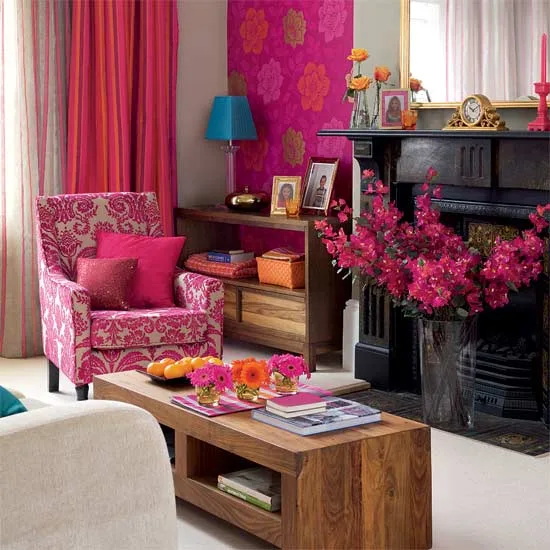
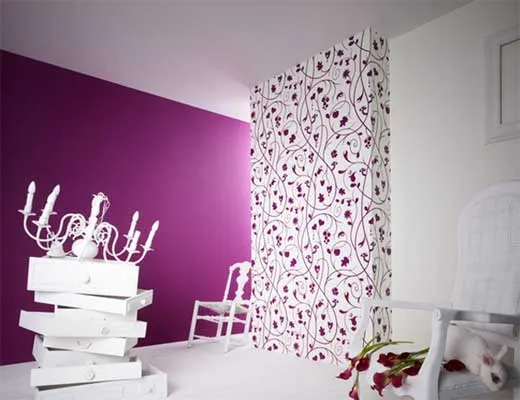
Ulutaşkın recommends that all rolls of the same series number should be purchased at once and information should be obtained from the sales representative to ensure that the color difference does not occur during purchase; she recommends using appropriate adhesive for classic papers and vinyls, and for heavy papers. She also suggests that you should definitely try a sample before making a decision, as smaller motifs appear larger when enlarged, and large and emphasized patterns create a warmer and more intense atmosphere.
Fast Change with Stickers, Veneers, and Boards
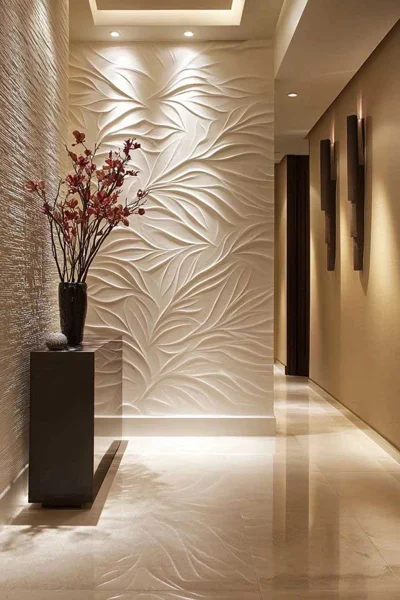
Ulutaşkın says that sticker's are a practical and economical option for those who want to renew the atmosphere without major renovations, and that the stickers can be placed on the right surfaces without damaging the wall. According to stickers, larger adhesive veneers can easily change the atmosphere of the room with landscape or different visuals.
It is mentioned that boards used in the transition between ceiling and wall, or around door and window frames, add a different identity to the space. Horizontal and vertical patterned boards can change the perception of space; a high ceiling can appear shorter, and a wide room can appear smaller.
Kitchen and Bathroom Tiles: Tiles, Ceramic, Mosaic, and Glass Tile
Ulutaşkın states that tiles stand out when a long-lasting covering is desired against water, moisture, dirt, and wear, and lists the main options:
Tiles: Provides protection against water and dirt in kitchens and bathrooms, making cleaning easier.
Ceramic: Ceramic, which is strong and durable due to its silica and copper structure, is preferred both on the wall and on the floor; it offers a wide range of colors and patterns.
Mosaic: The mosaic technique, which originated in the Sumerians 5,000 years ago, is still used in different styles today; especially glass mosaics can be easily used in wet and humid areas due to their hygiene.
Glass Tile: Glass tiles produced by pressing and combining glass at high temperatures, which have an empty space inside, create a modern texture by applying them on the light side and mostly on a separator wall. In addition to colorless options, there are also red, green, blue, and yellow tones.
Ulutaşkın recommends that open colors should be preferred to make the space look bigger, and that colors that match the tiles should be chosen for the joint color, and that appropriate adhesives should be used in areas in direct contact with water. She also suggests that existing kitchen or bathroom tiles can be renewed without changing them, by cleaning and drying the surface with a surface cleaner, and applying a bonding agent suitable for ceramic and glass after the surface dries.
Brick, Concrete, Natural Stone, Fabric, and Wood Veneer
Ulutaşkın states that existing brick walls can also be renewed, and recommends cleaning brick with chlorine acid, applying a sodium carbonate solution mixed with warm water on stubborn stains, and thoroughly rinsing.
Ulutaşkın says that concrete surfaces stand out for those who seek modern and industrial lines, and that concrete can be colored with powder pigments, that it should be waterproof (hydrophobic) if used in bathrooms and kitchens, and that the casting/pouring process requires professional care.
Natural stone, on the other hand, creates unique contrasts when combined with modern materials such as stainless steel; block stone, pebble stone, cut-processed stone, and natural split stone can be preferred in different textures according to the usage area, such as matte, polished, or textured surfaces.
Ulutaşkın recommends using natural wood veneers for those who want to heat and comfort the space; the duble fabrics (such as muslin) can be pinned to the frame, and if the budget is sufficient, silk or wool fabrics can be attached more easily. Finally, she recommends natural wood veneers, which also provide a warm and cozy atmosphere.