|
|
|
The light hits on things, the echoing rays, and each of the senses that we see in our eyes is called color. Our daily life is one of the most distracting issues. Colors affect our psychology as well as our psychology. You may have noticed that our colors have changed according to our state of mind, or our moods have changed according to the color used.
|
Children are much more sensitive to external stimuli than we are because the world is new to them. They pay extra attention to everything around them. Especially at a young age, they have the most powerful connection with the world. Colorful and mobile objects attract their attention. They like to look at picture books. The effects of color on children who are so interested in the outside world are not belittled.
What Are the Meanings and Effects of Colors?
KIRMI: It has an appetizing feature. That's why most food companies prefer red in their logo and sign. Red also increases blood pressure and adrenaline. Psychologically, it encourages alertness. Bright tones and overuse can cause tension due to extreme stimuli.
TURUNCU: Psychologically, it promotes joy.
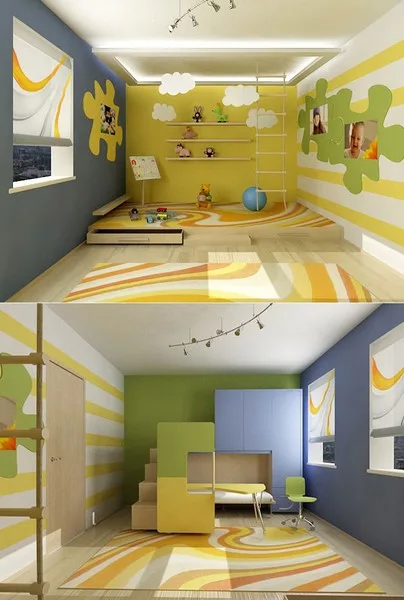
SARI: The symbol of temporary and attention is attraction. That's why taxis are yellow. Psychologically, they have positive and vivid properties. Their herpes tones give light to dark rooms, and they are a cheerful color.
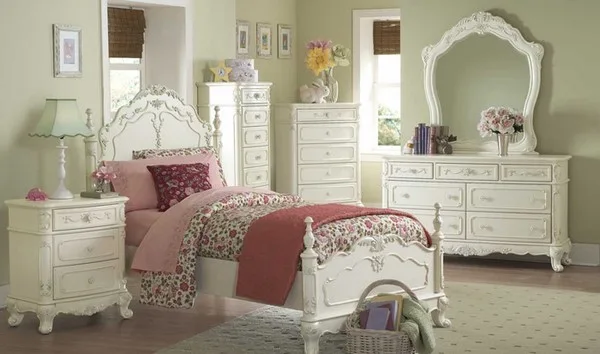
PEMBE: It has a comfort effect, it relaxes the muscles, it develops emotions, and it can cause the baby to wake up earlier in the rooms facing east.
GREEN: It gives confidence, fuels creativity, has a adaptive and balancing quality, is a comfort to the bedroom, especially to the extreme green eyes, calms them, and makes it easier for the baby to fall into day sleep.
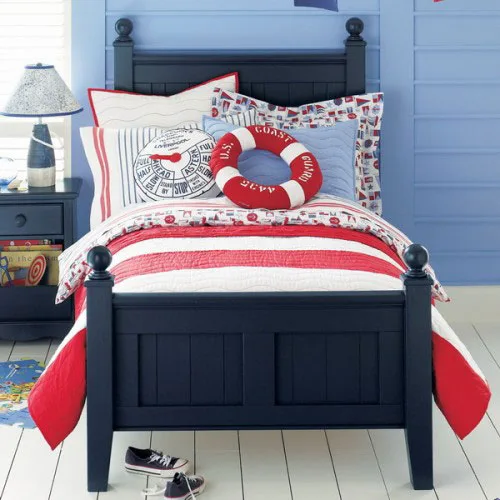
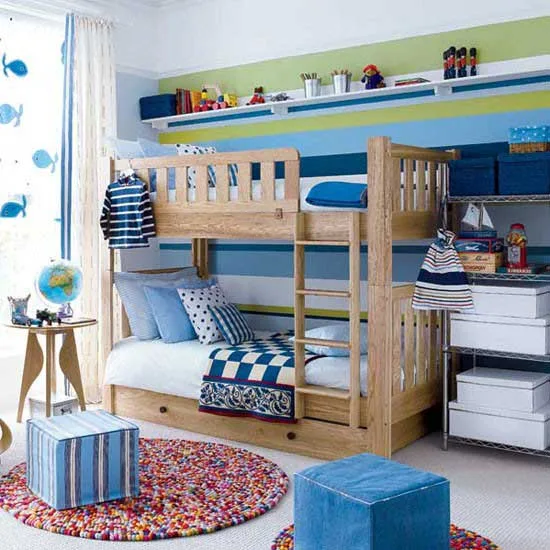
MARI: It's a symbol of calm. It lowers blood pressure. The bridge feet are painted blue to reduce suicide in the West. The reason why schools are painted blue is because of this soothing and peaceful effect of blue, especially soft blue, and it's suitable for extra excited babies' rooms.
It's refreshing and refreshing, and it's more extreme, like blue and green, and it's soothing.
It promotes inner consciousness, it brings out neurotic emotions.
BEHAZ: It's usually about cleaning. It's a symbol of purity. It shouldn't be used in the study, because white, it's tiring, it's reducing the speed of learning..
These meanings should be considered in children's relationship with color, especially in bedrooms, where the crayons of colors are used, they can help ease the transition to sleep, and the red, orange, warm colors, as they speed up the flow of blood, should not be used as a basic color in the sleeping environment.
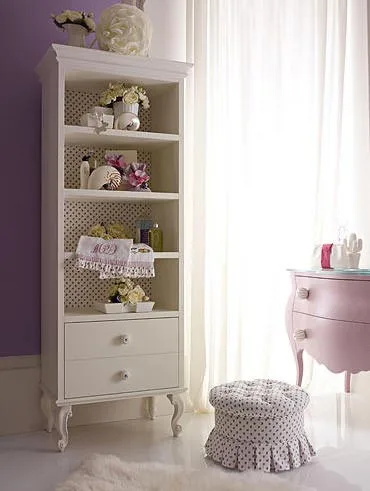
Instead, they should be preferred to be soothing colors, such as blue, green, pink, but since the bright tones of these colors can wear out the eyes, the pastel and the light tones are more suitable. The need to remember here is that the child needs different stimuli for intelligence development. The accessories in the room can be chosen from different colors and thus diversify.
Other than the bedroom, where the concentrations are required, the soft tones of yellow can be used. Another factor to be noticed in the nursery, besides the colors, is light, which should be bright enough, but especially artificial lighting shouldn't be too much, because too much light can make the child's eyes tired and less alert.
Colors are also important in the child's choice of clothing. The lively colors dressed in the daytime can help the child to become more energetic, more cheerful, but in children who are more nervous as a structure, the vivid tones of red, yellow can cause them to increase their tension. In the evening, the fact that clothes are blue, green, pink, and so on can help them to calm down and to go to sleep.
It should not be forgotten that the effect of color on us is most about what we give them. The meaning of colors is about culture and person. For example, black is the color of mourning in us and west, whereas in Japan, it represents happiness. Or if someone thought that this color was depressing, Einstein would prefer the curtains to be black, not the light of the day. It's impossible for each color to affect everyone in the same way. When he wears pink, it's far from relaxing for someone who's been in hospital for his sick father. Or if he thought that this color is not at all of them, it might be green color, or that you might not be the color of the purple.
Finally, colors are important and effective in our children's lives, like all external factors, they approach colors at first objectively and charge meaning as time goes by. The important thing is that they learn colors and understand them correctly.
Psychologist Worked for the Work |