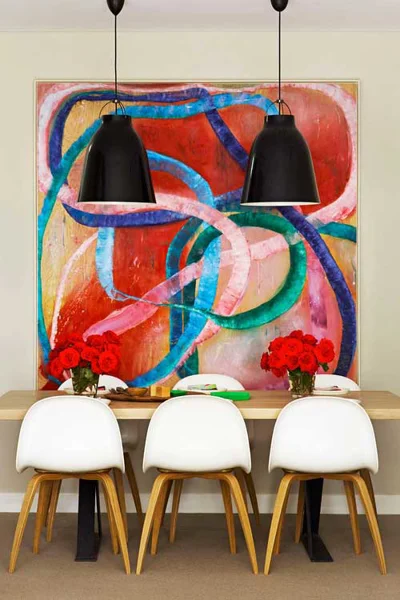
Dining rooms ranging from traditional styles to modern designs
Dining rooms are not just places to eat, but the most enjoyable places where families gather, have long conversations, and host special events. Whether you prefer the timeless elegance of classic details or the minimalist and airy lines of modern designs, you can create an impressive dining room in any style with the right material selection, balanced proportions, and warm lighting.
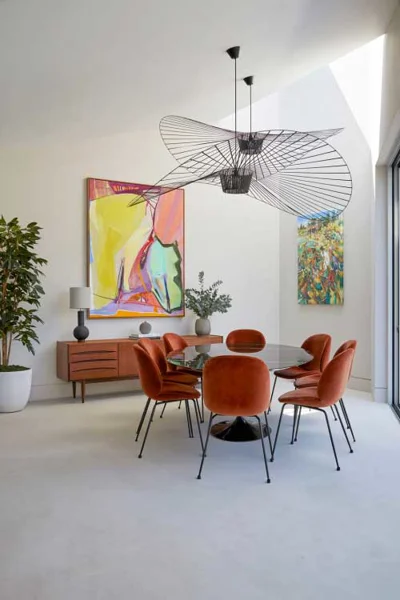 Photo: Simpson & Voyle
We have brought together various approaches to traditional and modern dining room styles and highlighted the design tips that stand out.
Traditional Dining Room Styles: Timeless Elegance and Warmth
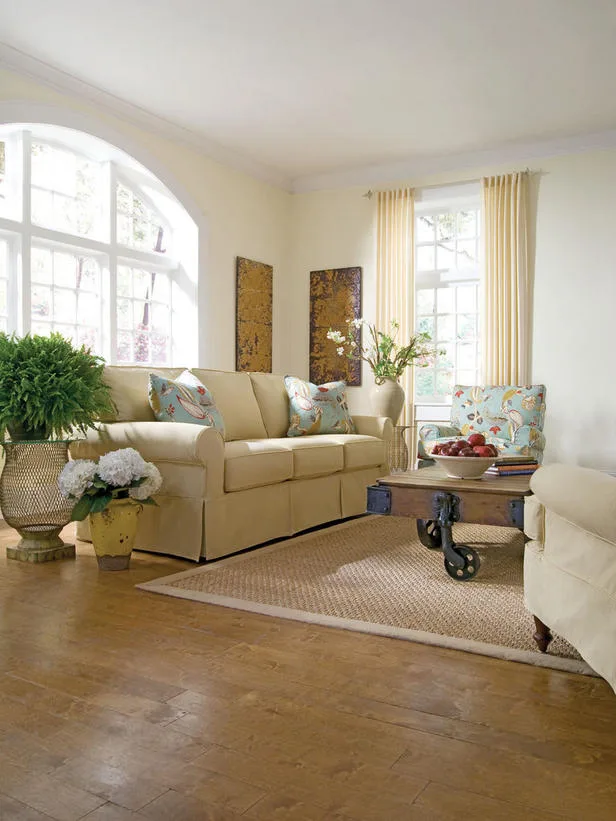
Traditional dining rooms bring the elegance and craftsmanship of the past to the present, offering a welcoming and prestigious atmosphere.
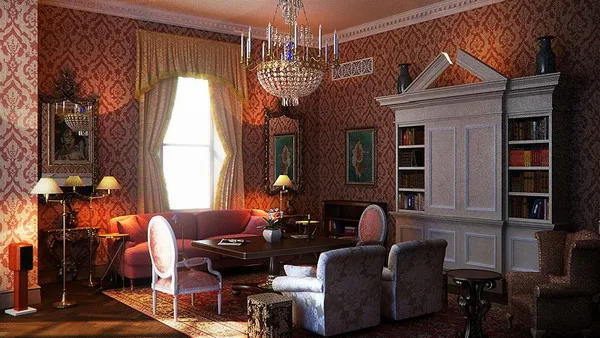
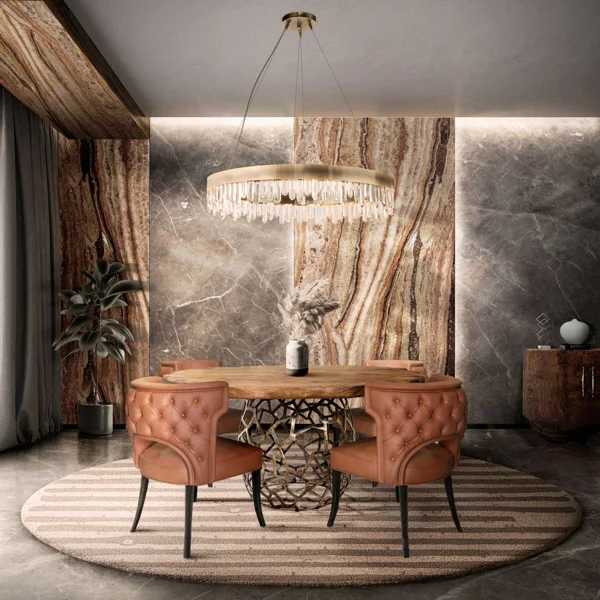
#Wood and Carved Details: Dark or warm-toned solid wood tables, consoles, and cabinets with carved details are the cornerstones of traditional style.
#Upholstered Chairs and Rich Textures: High-backed chairs upholstered in velvet, jacquard, or linen provide comfort while adding a classic weight to the room.
#Showy Lighting and Mirror Use: Multi-armed or crystal chandeliers, wall lamps, and classic framed mirrors placed in the center of the table reflect light, adding depth to the room.
Modern Dining Room Designs: Simplicity, Functionality, and Spaciousness
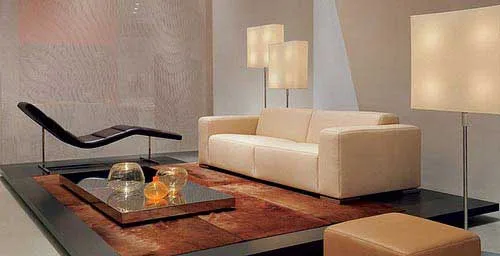
Modern dining rooms feature clean lines, strong contrasts, and practical solutions that easily adapt to everyday life.
#Photo:brabbu
Eclectic Approach: Bringing Together Traditional and Modern Designs
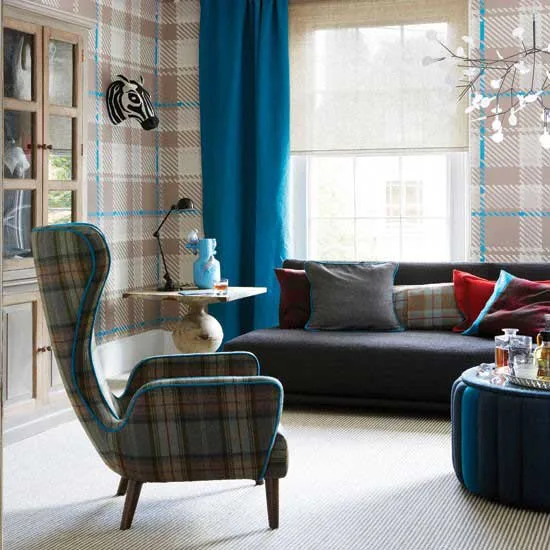
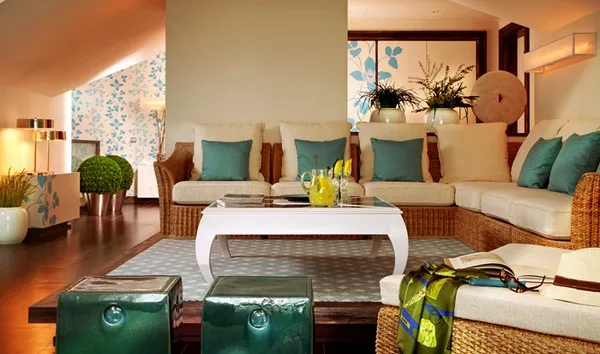
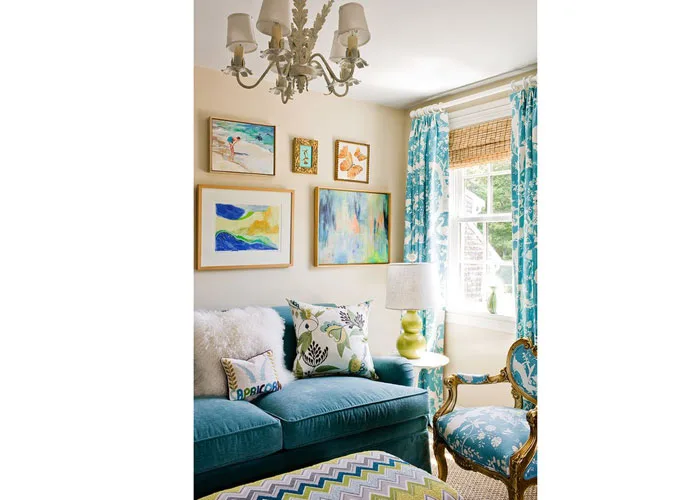
In recent years, one of the most popular approaches in interior design is to skillfully balance classic elements with modern lines. For example, you can complement a simple and modern dining table with classic-shaped chairs or use a contemporary painting and minimalist candlestick on a traditional wooden console to create a unique and lived-in atmosphere.
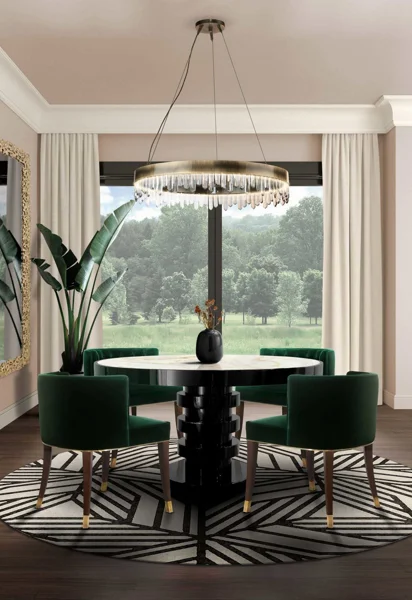 Photo:brabbu
4 Basic Rules to Follow When Designing a Dining Room
#Transition and Chair Space: Leave at least 75-90 cm of space between the walls or other furniture around the table so that the chairs can be easily pulled back and people can pass through.
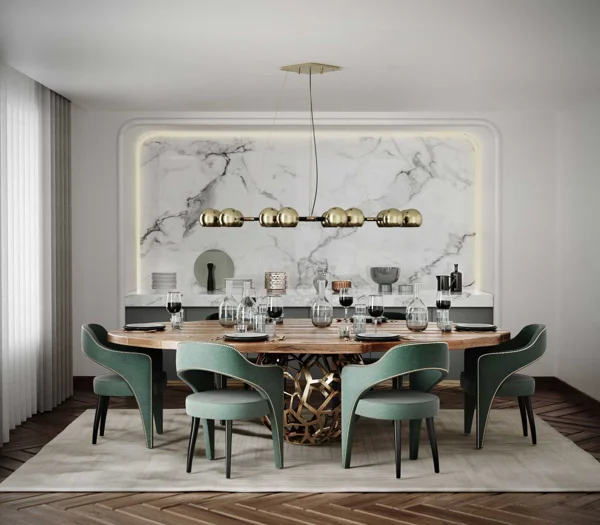
Photo:brabbu
#Chandelier Height: The chandelier or lamp hanging over the table should be placed at an average height of 75-90 cm above the table surface so that it does not obstruct the view and does not cause eye strain.
#Rug Size: If you place a rug under the dining table, the rug should be at least 60 cm wider than the table on all sides so that the feet do not get caught in the rug when the chairs are pulled back.
#Warm Light Atmosphere: Using warm yellow light in the range of 2700K-3000K in dining areas instead of cold white light makes food and the environment more inviting.
Frequently Asked Questions (FAQ)
#How to make a small dining room look more spacious and wide?
Using light-colored walls, tables with thin legs or glass/light wood surfaces, mirrors, and floor-to-ceiling curtains can make small dining areas look more spacious and bright.
#What size dining table should I choose for a dining room?
In long and narrow spaces, rectangular or oval tables are ideal to maintain the passage, while square or compact areas are better suited for round tables to facilitate circulation and create a more intimate conversation environment.
#How to adapt a classic dining set to a modern home?
You can balance the heavy and dark-toned pieces with light-colored walls, modern rugs, and minimalist accessories to make the classic furniture look fresher and more contemporary.
Main photo of the news: arentpyke.