Divorcing couples should not leave their children in a state of uncertainty, advises Psychologist and Consultant Sevil Yavuz, who recommends that parents not leave their children in a state of uncertainty. Psychologist and Consultant Sevil Yavuz explained the impact of divorce on a child's world.
"My mother and father left me,"
Children will perceive divorce differently depending on their age. For a child, divorce may initially mean the loss of parents. Children may perceive their parents' divorce as their parents abandoning their parental roles.
Each child will react differently to divorce. The child's emotional characteristics, the way the parents divorce, how they prepare the child for divorce, and the life the child will have after divorce will all influence the child's reaction.
Is it possible to mitigate the negative effects of divorce?
Generally, it should not be assumed that a child will be happy about their parents' separation. It is also not possible to prevent the difficulties that a child will experience as a result of divorce. However, the degree of these negative effects can be reduced during the divorce process and afterward.
What does a child experience after divorce?
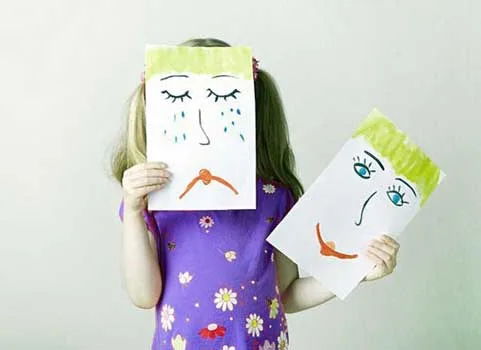
After divorce, a child may blame one or both parents and become angry with them. The child may experience a short period of depression. There may be changes in the child's sleep patterns. If the child is in school, they may experience a decline in their academic performance.
The child's behavior and eating habits may change. The child may start to disrespect their parents and try to control them. The child may become very demanding of their parents. The child may use their parents' separation to get what they want. If the child sees one parent less, they may feel a lack of their parents.
What should be paid attention to during the divorce process?
* Do not make major changes in the child's life!
* Do not use the child as a pawn in an argument!
* Focus on the child!
* Do not spoil the child!
* Do not hesitate to seek psychological support if needed.
*Do not leave your child in the middle of a war*
In addition, it is important for parents to avoid making major changes in their child's life. For example, if parents are separating, the child will find it very difficult to change their home, friends, and school. Therefore, it is important to avoid leaving the child in the middle of the separation. Generally, young children will continue to live with their mothers in the same environment they were used to.
This will help the child to accept the separation.
*Do not leave your child in the middle of a war*
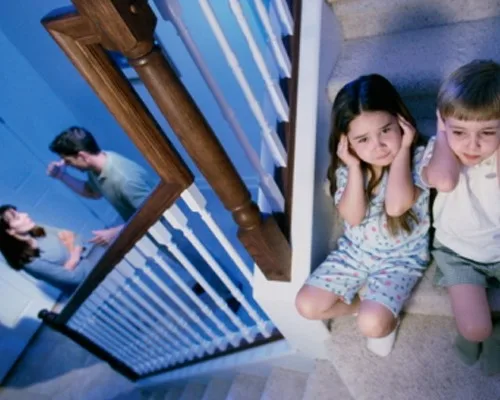
It is important for parents to avoid putting their child in the middle of their conflict. If the divorce is not finalized, this is a common situation. When one parent is angry with the other, the child will feel caught in the middle. The child will not be able to choose between their parents. Both parents are equally important to the child. These accusations and anger will hurt the child.
If the child is feeling guilty about the divorce, the divorce should be explained to the child in a way that is appropriate for their age. Both parents should also treat the other parent equally. If one parent does not see the child as much or does not pay attention to them, the child will feel neglected.
Children should be involved in decisions
Parents who are feeling guilty about the divorce may try to make up for it by giving their children everything they want. As parents, you are still parents. You have one child together, and you need to continue to work together. Therefore, parents should make decisions together and involve their child in the process. Parents should also treat their child consistently and avoid spoiling their child.
It is not possible to completely prevent a child from being negatively affected by divorce. However, with psychological support, the child can better cope with this situation. It is certainly better for parents to separate than to experience family conflict and violence. Divorce is a serious change in a child's life, so it is important to be sensitive to the situation.
Parents should start talking to their children about the divorce as soon as they know it is happening. How should the divorce be explained to the child? How should the child prepare for the divorce? What should parents do before and after the divorce? Each family and child is different, so parents should find a solution that works for their family. At the same time, a child psychologist can help the child cope with the divorce. If the child is having a very negative reaction to the divorce, the family should seek psychological support for the child.
We wish you all the best in navigating the divorce process with your child.