

The Effects of Divorce on Children and a Post-Divorce Communication Guide
The most significant factor in a child's adjustment to divorce is the focus of the parents on the relationship itself. Psychologist Dr. David Ibrahimoglu, explains in detail how to establish healthy communication with children during the divorce process, the mistakes parents must avoid, and how children are affected by divorce depending on their age group.
Post-Divorce Basic Approach and the First Year
The goal is to make the child's life as consistent as possible. If one parent does not have custody (or guardianship), visits should be frequent and short. Separations of one or more nights from the primary caregiver can also be stressful for the child; this should be avoided as long as possible.
The first year of a child's life is of great importance for their emotional development. The first bond with the caregiver lays the foundation for future close relationships; the effects of breaking and damaging this bond due to divorce can be seen.
How Should Communication with Children After Divorce Be?
Prevent Feelings of Guilt: Children need to know that they are not to blame for the divorce.
Provide Unconditional Love and Support: Children should know that they will always have the love of both parents, even if the parents are no longer together.
Allow Them to Express Their Feelings: Children need to be able to express their feelings without judgment. Parents who understand that feelings of anger or sadness are normal reactions to divorce can better accept these feelings in themselves and their children.
Ask Open-Ended Questions: The most effective way to understand a child's feelings and thoughts is to ask open-ended questions.
What Parents Should Not Do During Divorce
Psychologist Dr. David Ibrahimoglu emphasizes that parents should avoid the following behaviors to protect their children's psychology:
Do Not Question the Child: Parents should not ask the child about the other parent's activities (especially about who they are dating or whether they are providing adequate care),
Do Not Badmouth the Other Parent: Parents should not speak negatively about the other parent in front of the child. You can find a trusted relative or friend to share information with, but you should never share this information with your child.
Do Not Show Anger or Hostility Towards the Other Parent: Parents should not show anger or hostility towards the other parent in front of the child. Parents who are angry with their ex-spouse should talk about their feelings with a neutral observer, as this will benefit both parents and the child. Also, the child should not be used as a messenger between the parents.
How Does Divorce Affect Children in Different Age Groups
How Does Divorce Affect Children Aged 2-4 Years?
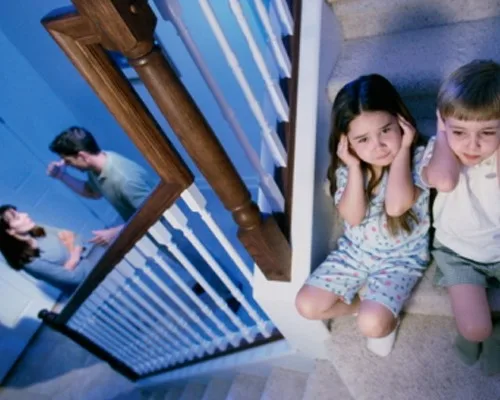
Even if they cannot fully understand, all children experience feelings of anxiety, fear, sadness, and anger.
They may become more clingy, as they do not understand that the divorce is a decision made by adults.
They may start to exhibit aggressive behavior to confirm their feelings of being in trouble.
The fear of abandonment can cause sleep problems and insomnia. Children may not be able to sleep because they are afraid of being abandoned by both of their parents.
Frequent visits from the parent who does not have custody can be helpful in this age group. These visits can be more frequent than visits from the primary caregiver.
How Does Divorce Affect Children Aged 5-8 Years?
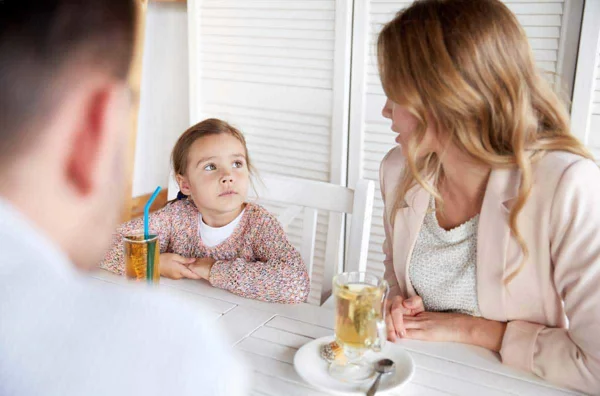
Children in this age group are aware of the magnitude of the loss and the injustice of the situation.
They may have fantasies of reunion. They may think that "they are the ones who are wrong" and that the parents are divorcing them because of something they did.
They may experience fear of abandonment. They may worry that the other parent will also leave.
Their self-esteem may be damaged. They may start to believe that they are to blame for the divorce.
How Does Divorce Affect Children Aged 9-12 Years?
Children in this age group may experience a wide range of emotions, from good to bad.
They may become angry at their parents for being unable to solve their problems.
They may try to take the side of the parent they live with.
They may need help expressing their feelings and understanding that it is okay to love both parents.
Long visits with the parent who has custody can be helpful. The child may need to communicate with this parent by phone.
How Does Divorce Affect Children Aged 13-18 Years?
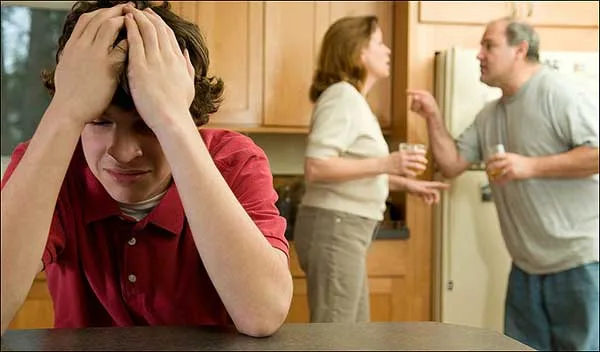
Teenagers may experience a wide range of emotions, from good to bad. They may also experience feelings of isolation and loneliness.
They may avoid relationships or try to avoid their parents.
They may also worry about their future and whether they will be able to have successful relationships.
It is important to remember that teenagers are very sensitive to the opinions of their peers. Their friends can have a big impact on their lives.