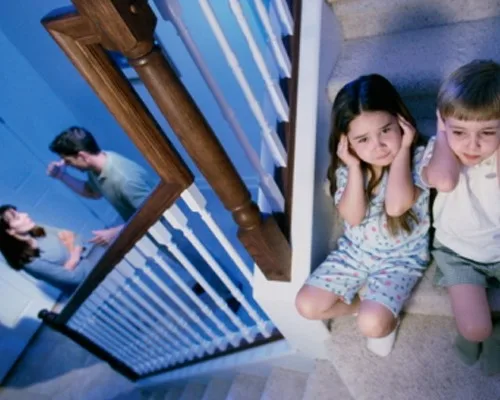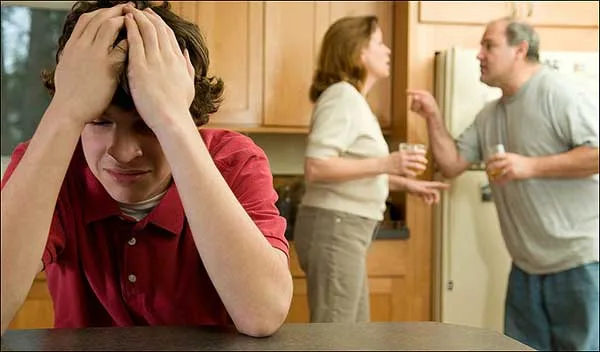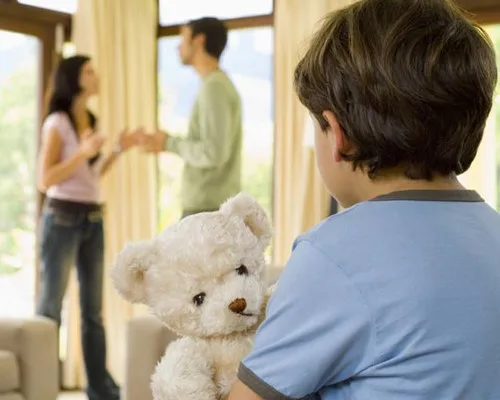

The effects of divorce are surely living and changing. Do you know how to talk to your child's divorce decision? &cDil;formation of the divorce &multi;formation of the effect on you;redil;formation of the child &mult;redil;redile;redile;redile;redile;redile;redile;redile;formance;redive;remulative;result;redive;redith;redural;whatyears;whatyearsofit;whatyearsoflife doyouhavehavetoexist;whatdoyouhavetoknow?
Divorce represents a ça child's d&umml;neuml;formally,nemli and çthen a traumatic change represents a family loss. parents' decision &noml;real;a new cell;ox &cceld;son &sumg¨n, feels angry and anxious. This s&mulml;re&re;they have difficulty understanding how their life will change;they have difficulty in their life;they have a new reaction to their new family.&cceld; çand the new family structure;
Here's a little &olumn about what children understand about divorce at different ages and how they can make it easier after divorce.

Ç Kid can blame himself for divorce, the right communication is this süreçte çok öreal;real.
What age Ç in Divorce; What Does the Kid Feel?
1. The Effects of Divorce Ü: From Birth to 18 Months
Babyhood dönembly babies can sense tension at home (and between their parents), but ç they can't understand the logic behind the fight.
If tension continues, babies can be nervous and clingy in front of other people; they can often experience emotional outbursts. Also, they can be regressive or developmental delays.
2 After Divorce From Birth to 18 Months; Making Work Easy
Babies love consistency, routine and familiarity comfort them. Therefore, it would be helpful to do so during and after divorce, and therefore to have normal sleep and food routines.
Ç The room with your child's favorite toys, his belongings must be kept. &bsp; If not, spend extra time offering the physical comfort he's used to.
Help yourself; help your friends and family; and rest well, and when your baby wakes, you'll be awake.
3rd New Yü of Divorce Ç Children Ü Effects on: 18 Months to 3
In the years when they start to grow up, a ç is the parent bond of the child with their parents. Therefore, they may be difficult to accept and understand any failure in their home life.
Moreover, k<i>Such as ç children are self-centered and may be able to say that they caused their parents to leave.</i>
They often cry and want more attention than normal; they reverse their development and re-enact finger sucking; they resist toilet training, develop fear of abandonment or they can add sleep at night.
Ç Children Ü Effects on: Hail Göre Guide to the Book
4. 18 Months to 3 Years of Divorce After Ge&cced; Making Work Easy
If you want to be a part of the process, you have to be able to work together.
Ç Quality time with your child;increase;and more attention is more important;and so is your need to show it.
Ask your friends and relatives to do the same. Discuss your child's feelings (if they are able to talk, read together and make sure they are not responsible for divorce.
 The age of the child in the divorce is the string of understanding how the child feels....
Ç Children Ü Effects on: Hail Göre Guide to the Book
5th School Öance Ç Children Ü Effects on 3-6
School ç children do not understand divorce; and they do not want their parents to leave, no matter how nervous the home environment is. In fact, divorce, school &oluml;formation çthe children feel like they have no çin &olum;in &oluml;in;in is a difficult concept to understand; ç &uculum; &uculum; control of the outcome;</i>They feel like they don't have any control;> ç
ç, which begins to grow, like the children, may believe that they are ultimately responsible for their parents' separation.&bSp;>
He may have uncertain feelings about the future, he may keep his senses in his i> he may have unpleasant thoughts or ideas, or he may wake up from his sleep.> >>
"Don't say "Seconds" in the script
Ç Don't Follow Your Child's Feelings
6.3-6 Years After Divorce Ge&cced; Making it Easy
School öformer çchildren should consider divorce in a positive and unremarkable way, since they reflect their parents' moods and attitudes.
They're probably gonna want to talk to someone and express their feelings and you can prefer books that are appropriate for their age. At this age, they need to feel themselves very well, knowing that they're going to continue to be able to move forward, and they're going to be able to talk to each other.
Create a rich visiting program and stick to it consistently.
7 The Effects of Divorce Ç Children Ü Over: 6-11 Years
School çher child is a compassionate çchildren are a compassionate &ccelt;equal in the universe;i<i>If they are afraid of being abandoned during divorce, it is natural for them to be afraid of being dumped. i>They may be more afraid of losing their parents and their parents might be able to think about their futures.< <i>and they may often believe that their parents might be able to agree on their marriage.</i> <i> <i>They may be able to re-intribut their marriage.
8 to 11 years of age ç children, separation iç a parent can water-ccedil; and can "k&oluml;t&um;" can align themselves with the parent's "good" parent. parents can be rude or selfish; &oluml;can express their problems in a specific way: fighting with their classmates, &u<i>to be good parents <i>or closed;they can be rude or selfish;/i>They can also be able to express their problems in a disparity.
Some çin, the effects of divorce physically affect themselves, as well as the nausea or headaches of stress, and staying home from school may experience fabricated symptoms. ;
8. 6-11 Years After Divorce Geç Ease Work
Elementary school ç their children may feel over-lossed and rejected during divorce, but parents ç can rebuild their children's feelings &oml;ve and g¨ves and g start;in, each parent çshould encourage them to start; with quality time is time ç and to encourage them to feel and to feel free.
Give them a letter saying that one parent will not abandon them and repeat that divorce is not theirs. In the same way, parents should not leave each other in water; they should not be able to agree that it is a mutual decision.
ÇKids öEspecially during the time of turmoil ömulability;dubmittances are essential as a time of easy visit.
9. Ç Allow Your Children to Have SöZ
T¨m changes after divorce and separation, each family ¨yuum;yuml;in için çin;içOther stress. Çto some extent, allowing your children to have control over your new home can help them gain control. ç
You can already make them decorate the bedrooms properly, but ç there are other ways for children to participate in creating your new environment. &Oml;Ring this, or designing new furniture; while you are doing it, color is seccele; in order to ask your child for help.
çkids i>in m&uum;m&m&m&m&m&mm;mm&m;mm;mm&m;mmm;mm&m;mmm;mmmm;mmm&m;mmm;mmmm;mmmm;mmmm/mmmmmmmmm/mmmmmmmmmmm/mmmmmm/mmmmmm/mmmmmm/mmmmmmmm/mmd/mm/mmmmmmm/mmmm/mmmmmmm/mmmmmmmmmmm/mmmmddddr;mm/mmmmm/mmmmmmmmmmmmmmmmmmmmmmmmmmmmmmmmmmmmmmmmmmmmmmmmmmmmmmmmmmmmmmmmmmmmmmmmmmmmmmmmmm/mmmmmm/mmmmmmmmmmmmmmmmmmmm/mmmmmmmmmmmmmmmmmmmmmmmmmmmmmmmmmmmmmmmmmm/mmmmmmmmmmmmmmmmmmmmmmmmmmmmmmmmmmmmmmmmmmmmmmmmmmmmmmmmmmmmmmmmmmmmmmmmmmmmmmmmmmmmmmmmmmmmmmmmmmmmmmmmmmmmmmmmmmmmmmmmmmmmmmmmmmmmmmmmmmmmmmmmmmmmmm
Divorced Ç what Should the Inverse Watch?
Ç of children önüin çpause from fights;Be careful when entering into new relationships after divorce.Both parents must be used to provide ç equal amount of time; used to provide; used to provide.Ç children should feel comfortable talking about the other parent when they are with one parent.Parents should avoid using children as messengers.Ç any problem of the child ç &olum;i>to be taken from the parents;he/she/she is from the parents.She should feel comfortable being able to consult someone.
Finally, encourage your child to participate in activities and entertainment that he enjoys (school, friendships and extracurricular activities are gaining more and more at this age).
Help them regain their respect. ¸ help them to win. <i>Make sure that they close. >Let them be with the friends they love.> >