1 September 2026
Publication Date
30 October 2026
Last Updated
#Advertising
Children's social, physical, and academic development support, as well as general health checks and proper lifestyle habits, are of great importance when starting school or daycare. Parents should pay attention to certain points and take necessary precautions to protect their children's health.
Dr. Cansu Muluk, a Children's Health and Diseases Specialist, provided information about the basic screenings that should be done during the start of school, as well as information about immunity balance, school bag selection, and daily routines.
[Image of a child with a backpack]
Health Check for Children Starting School: What Parents Should Pay Attention To
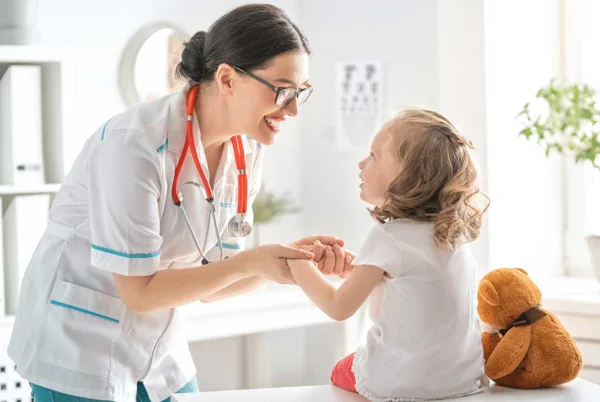
If a child is starting school or daycare for the first time, a general physical examination should be performed first, and growth and development should be evaluated according to age and gender. Tests such as complete blood count, iron parameters, vitamin D, and vitamin B12 may be necessary.
In addition to these, hearing tests, eye examinations, and oral and dental health screenings should also be completed for preschool children. The percentile curve, which is evaluated according to the child's age, the community they live in, and their gender, can indicate many diseases as well as nutritional deficiencies. A child who cannot develop properly may experience problems such as weakness, difficulty concentrating, and frequent illnesses, which can affect their school attendance and academic performance.
[Image of a child with a backpack]
Vision and Hearing Problems Can Affect School Success
If a child has vision or hearing problems that cannot be detected at home, it can affect their education. Symptoms such as straining to look at the screen, blurred vision, blinking, squinting, leaning forward to read, tilting the head to look, difficulty with fine motor skills, and frequent headaches can indicate underlying vision or hearing problems. If a child has a mild hearing loss, it may not be detected in the home environment, and these undiagnosed hearing losses can cause delays in language and cognitive development, decrease academic performance, and cause difficulties in social adaptation and attention deficit. Therefore, routine hearing and vision assessments should be performed during preschool.
[Image of a child with a backpack]