
Ç children use the Internet, talk to their friends, stay in touch, make their home &oluml; play games and other fun activities. Unfortunately, the cheaters are targeting children to take personal information, to make money ç to get money; to even demand ransom;in çin &n to target children.&n&nBbp; &nB; >
çThe children's screensided position increased 1.5 times. Çeven when playing a simple game, their children made our children vulnerable to digital fraud, cyberbullying, abuse and exposing personal information. What can we do about experts? çInternet &ccell;what are the most common frauds targeting them? Çwhat are the risks? Çwhat are we going to do about protecting our children from these risks? &cbsp;What are we going to do? ç
Ç children are more affected by adults than fraud; they are caught unprepared for frauds. Their probability of being deceived and giving personal information is more likely to be higher. Digital güvelity company ESET ç Lists the most common fraud that targets them and has been protected from them.

Ç 6 frauds you must warn your children about; what?
|
The ones in the i</n</i>:Ccedil; 6 frauds you should warn your children about;/i> |
& Ccedil; How Can You Protect Your Child From Internet Frauds?
1. Ç Protect Your Children from These Frauds
Fake competitions: This is a t¨re identity hunting scam and ç social media ¨responsibility;the most dishonest invite them to participate in a ¨regular competition. A contest does not come at all. öd<d<l>I>I>I>I want to get them to share their personal information, but &oluml;l<l>l>I don't want them to get them to share their personal information. <i>l>I>I>I'm sure they won't come back.
Online exams: Online tests, öEspecially self-discovery çsons;için çevolutionçi.e. gçi.e. g&ccell;i. gçi. gçi.e.;i., a method of making an interest in the test; çbut if he is asked to share personal information like his pet's name, or his favorite TV program, it may become dangerous. This information can be used by &o/orally;i.e.e.g., he can use a method of the password and a different form of his own tactical profiles;/cced.
& Ccedil; What Expects Children's Digital Games Areas
Online games: In the Internet environment, people may not be the ones they're dealing with, and this situation is &ccellable; the players in the games are için is g&ccelt;/i&j;/i&j;/i>resul;/i> are also g&jectil;/i> but the people who are in the Internet are able to be friends with the child;/i>and then they can ask for personal information, such as the name, password and address. &c<i>In return, some games <i>but the people are new &cced;i<i>ands can be used to be friends with the child;and then &ccelt;i>and then they can be used to ask for their personal information, and then &ccedult;i<i>i>i>i>i>i>i>i>i>i>i>i>In the names, password;In the names, password;In order to be a new information, passwords and address;i>ands and address;i>;i>i>i>i>i>i>The names <The names <The names <The names <The names <i>The names &c.
Açindulgible window fraud: Açinsulable windows, kötübutça way to get a connection to a web site that helps or downloads something that is not welcome to your device. &ccell;a click on something that may not be a potential loss.
Ç Most Common Fraud Tü Who Targets Children
Üfree service scans: Ç Your child can register in a new smartphone wallpaper service that offers his favorite film or m¨it usually ¨regular;and then &oluml;or/or the Köt<t<i>but it can download the new smartphone wallpaper from the group.
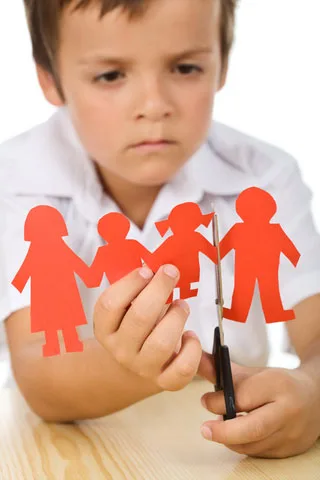
Sexual içregional blackmail: This fraud can be used to share photos and videos of the fraud, kötötç but a large act çr çr çm<i>stresss to share the images and videos of the child;i>this çthen it can be used by this person along the line and then use it as leverage if he does not do what he wants and then does not do what he wants to do. çi<i>i>This ç can get a control of information.
2. Parents Ç How to Protect Their Children From Internet Frauds?
These are ç these are the only ones of the different frauds that children can encounter in the environment; they are only a few times different. The threat act&oluml; the following is how they will react and how they should react when they meet in the environment; &ccell; &ccell; it is used to exploit the vulnerability of children. ç therefore, to your children &ccell; &ccell;e&cD; &eçe&cDil; &e<i>To do things that are necessary to do in the environment.
Ç to have a good relationship with your child; to speak to you, ç to lead the child instead of leaving him alone on his digital journey; ç to allow him to share his anxiety with you. ç to feel that you are with him.
You can check social media accounts with them and talk to them about the positive and negative aspects of the Internet, so they know how to recognize it when they face a fraud, how to deal with it, how to avoid being the victim of the attacker.
#Reclamation
3. Ç What Applications of your child, &Oml;Dream
- Stay outside, parç be damned!
Ç digital düDon't leave your child unattended. You should know which social media sites he uses. ç Add yourself as a friend and follow-up; so you can closely monitor who your children are friends with and what they share. &n>
Ç tell your children about threats they may encounter in the environment. Remind them to avoid contacting a&cced; to avoid clicking on windows or emails. Personal information (name, birth, gü, school, address; etc.), never &ccedul;effect;ual;ual;ual;effect the equation;effect;do not share with anyone;/nbsp;use a window in the window; use a dialog;bs;bbss;bs;bsbs;;;bsbs;;bs;bs;bs;;;;bs;;;;bs.
Ç Set your child's device as if it were being used by a ç this way, you can define the applications they use by the child. Without your knowledge and permission, you can be sure that they are not being said without &nouncing. Ç ç &ccelt;formally, warn your children not to speak to strangers. G¨mul;mult a g&um;vel;venity software; use parenting software and parenting software; use external or &ccell;ecutive software;formal software;formal;formally, warn them not to speak to strangers.