|
|
"The violence, unfortunately, is often found in everyday life, "which is a serious need to be considered, psychological and At the same time, violence can be found in many areas, not only in physical, psychological, social, sexual, verbal," said the Preschool Education Expert, Psychological Advisor E. Siegel, who provided clues to healthy communication with the Weirdo.
|
|
Computer and Television Watch out!
Violence is a learned phenomenon. Avoid such behaviors as waste. When your child sees these behaviors, he does not only have psychological negative influences, he perceives that this is normal and acceptable, and he can act the same way.
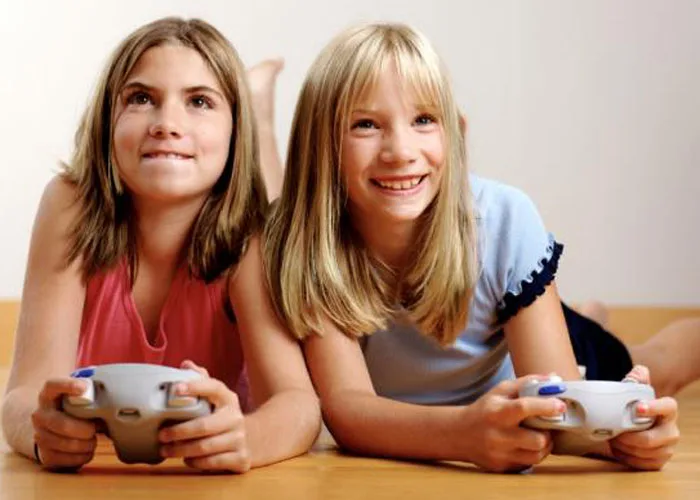
At an early age when children are not yet conscious of using computers, the children's games in computer play pose a risk for them to drink violent elements. The social development of children playing these games is negatively affected by their social development, and they can perceive violence as a positive situation, which is a positive situation, which is a positive situation, and you should be careful about the content of the game they play in the computer.
Computer in our daily life
More than use Television is also a part of the areas that should be conscious for the child, so you should know that as parents, there is a difference between the programs that you watch on television and the programs that your children will watch.
To the TV shows you watch Attention!
The daytime television programs or evening shows are not appropriate for your child without you noticing them while watching them. Your child is watching. Your child watching these programs has been affected in every way, and the fact that there is violence in such programs and in some cartoons that children watch also makes it important to be selective in the programs that children watch on TV.

How to Build a Healthy Parents Relationship With a Child
And as parents, your communication between you is important, your dialogue.
You need to be especially careful with the words you use, the attitude, the attitude you use, the way you approach each other, because the child is with people. How to communicate best and first learns from you, and how to communicate with your child as a parent will also affect your relationship well.
Avoid Normal View Communication Obstructions
First, you must not use the usual communication barriers, such as giving orders, making threatening sentences, judging, judging, taunting, humiliating, comparing, counseling, instead of making solutions, speech, flattery, trust, comforting questions, asking behind-the- back-door questions, stalling.
Frequent Communication Obstacles
Examples of communication barriers that are often used in everyday communication with children are:
I don't care what you want to do, you'll come home right away.
If you go to bed If you don't leave right now, you'll get the beating.
You're a dirty boy.
You're a big boy and you're still crying like a baby..
Look how well your sister eats.
If you don't want to fight with your friend, stay away from him.
Look, my child, you're too young to understand what's going on in the world.
When I was your age, I did all the work in the house.
You're the smartest student in the class.
You're not a skin, don't worry, all kids pass through this.
Why do you think you hate school? How long did you study?
Forget it, let's watch this show with you.
He must not think that his feelings are not cared for
The child will not want to speak to these communication barriers when they are met, but will break the communication.
In the face of such situations He may perceive himself as a person who is insignificant, unrestrained, unappreciated, unrespected, self-respected, so he may develop a self-esteem that is either in any situation or he may be in any situation or he may be in opposition or he may be insensitive. Another important thing is that constantly flattering and praising the child can also be negatively affected. How should communication be made with the child?
First of all, the right communication is your observation that defines the child's behavior, the feeling that you feel in the way he does.
What do you need? It should include your request. The following sentence can be given as an example of the right communication:
You Talked About Your Observation, Feelings, Needs, and Wants in Communication
When I saw you picking up your toys,I'm sorry, because I need you to pick up your toys to help me with my work, and I'd like you to pick up your toys right now.
Observing your relationship with your child
, emotion, needWhen you put it on the plane of relief and desire, you will see that your relationship with your child is also positively affected and more sensitive to your wishes, because because because your child will know what it is that creates a problem, which can understand the emotion it creates in you, and it can understand what you need to do and it can see clearly what it needs to do.
Use this Rule With Patience and Determination
In short, your child will not be exposed to negative feelings and situations, so that your relationship with the child as a parent will be affected positively. The point is that it must not be forgotten that this language suddenly settles, but continues to use it with patience and determination in your communication with everyone, not just with your child.
|
|