
src="http://www.hepimizaileyiz.com/Tools/Controls/DocumentInsert/Images/Control.png" alt="" />
Vegetable and Fruit Vitamin Value Preservation Guide
To make the most of the benefits of vegetables and fruits, which are the foundation of healthy eating, it is necessary to pay attention to many rules, such as washing before cooking. We have gathered 10 tips from Nutrition and Diet Specialist Şengül Sangu Talak.
Washing vegetables and fruits for hours or adding soda while cooking can lead to losses in nutritional value; therefore, it is important to arrange preparation and cooking habits correctly.
10 Tips to Help Preserve the Vitamin Value of Foods
Do not wash vegetables and fruits under strong water: Some vitamins in their contents are soluble in water. Therefore, do not wash for a long time under strong water; rapid water flow causes oxygen loss on the surface, which reduces nutritional value. When washing vegetables, press them in the water; when you chop and put them in the water, you destroy the vitamin value. Also, when cooking, do not put too much water in the pot, but prefer to cook in the oven or steam.
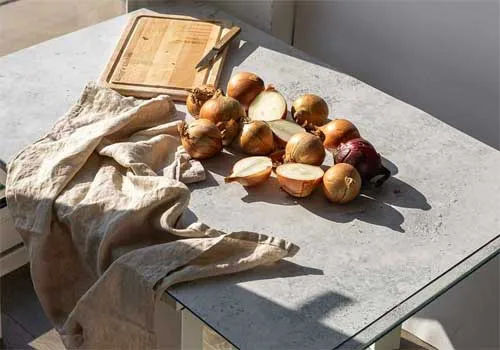
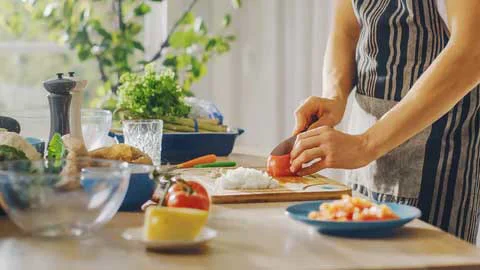
Cut vegetables into large pieces: Before cooking, cut vegetables into large pieces, preferably by hand or with a knife. Cutting into smaller pieces increases the surface area, which also increases the loss of vitamins.
Keep the pot lid closed: When cooking vegetables and fruits, keep the pot lid closed. This prevents the loss of steam and shortens the cooking time.
Consume vegetables and fruits raw: If you need to cook, cook them as short as possible and keep them fresh. Vitamins such as B and C are easily lost with heat. Spinach, broccoli, cauliflower, cabbage, beans, zucchini, and cucumbers should be cooked for no more than 10 minutes, while beans should be cooked for 20 minutes.
Do not discard cooking water: Do not discard the cooking water of vegetables, pasta, and legumes. Add this water to soups, dishes, or sauces to increase the nutritional value of the food.
Do not add soda to the food: Do not use soda when cooking vegetables. While soda gives vegetables a greener color, it also causes losses in some vitamins.
Do not peel the edible skin of vegetables and fruits: If you need to peel, peel as thinly as possible. Many vitamins and minerals are located in the outer skin, peel, or the part just below the peel of vegetables and fruits; the concentration of vitamins and minerals in the inner part is less.
Do not fry: When fats are exposed to high heat for a long time, harmful substances (free radicals) are formed for the body. Consuming at high temperatures is harmful to health; it also increases the risk of obesity and heart disease.
Add sugar to sweets after cooking: When making sweet dishes, add sugar after taking it from the stove. When sugar and milk protein combine during cooking, protein loss occurs.
Do not discard yogurt: Discarding or waiting for the yogurt to separate and the green-colored water to form is a loss of B2 vitamin (riboflavin). To benefit from riboflavin, which has important functions in the body, you can use the yogurt water in bread making, biscuits, cakes, and soups.