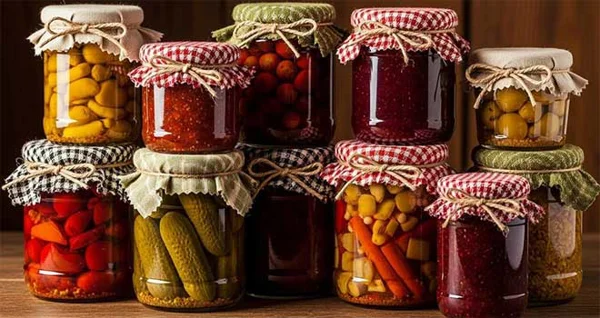

Why do pickles soften, spoil, or turn white on top? Common problems encountered when making pickles at home include vegetables rotting, brine becoming cloudy, a white layer forming on the surface, and excessive gas buildup in the jar. Experts recommend washing vegetables thoroughly, adjusting the salt-to-water ratio correctly, using the appropriate amount of vinegar, and paying attention to the fermentation time to maintain the texture and durability of the pickles.
Pickles, a beloved flavor of Turkish cuisine, become a popular accompaniment to meals when prepared under the right conditions. However, to ensure the quality of the pickles, it is essential to adjust not only the ingredients used but also the hygiene, salt ratio, vinegar amount, fermentation time, and storage conditions correctly.
If vegetables are not washed properly, the brine is prepared incorrectly, or the pickles are stored under unsuitable conditions, this can lead to problems such as softening, cloudiness, spoilage, and whitening.
Dr. Asiye Yir, an expert in Infectious Diseases and Clinical Microbiology, provided information on the points to be considered when preparing pickles.
Important points to keep pickles from softening, spoiling, and rotting.
What to Pay Attention to When Making Pickles?
Why is Hygiene Important When Making Pickles?
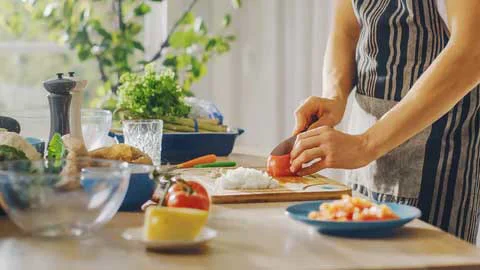
Vegetables and fruits to be added to the pickles should be washed very well. If the harmful microorganisms on the vegetables are not removed sufficiently, unwanted results can occur in the pickle preparation process.
While some bacteria become inactive in a salty and acidic environment, the toxins produced by microorganisms can cause food poisoning.
Therefore, when preparing pickles, it is important to:
- Wash vegetables and fruits thoroughly,
- Clean the jar and lids,
- Maintain hygiene,
- Use clean knives and cutting boards,
- Ensure that the vegetables remain submerged in the brine.
#Pickles
What is the Correct Salt and Water Ratio in Pickles?
What is the Correct Salt and Water Ratio in Pickles?
Vegetables and fruits to be added to the pickles should be washed very well. If they are not washed properly, harmful bacteria can cause food poisoning.
Therefore, it is important to prepare pickles in hygienic conditions. Another important point is that the salt/water ratio, which is essential for the beneficial bacteria and mold to multiply and for effective fermentation to occur, should be in the range of 5-8%. For example, if a 7% mixture is desired, 70 grams of salt should be used for 1 liter of water. The vinegar ratio should also be adjusted to approximately 2.5-3%.
#Pickles
Why Do Pickles Soften and Rot?
“Why do pickles soften?” or “What should be done to prevent pickles from softening?” The answers to these questions can be summarized in a few key points.
Pickles soften due to:
- Low salt ratio,
- Using fresh and improperly sized vegetables,
- Fermentation taking too long.
This can be effective.
Especially large, overripe, or stale vegetables can lose more water and their texture in the brine. Prolonged storage of pickles can also cause the vegetables to soften over time. The longer the fermentation time, the faster the structural components of the vegetables can break down.
#Pickles
How to Prevent Pickles from Softening?
The following points can be considered to maintain the texture of pickles for a longer period:
- Follow the recommended salt ratio when preparing the brine.
- Use fresh and small vegetables.
- Do not keep the vegetables for too long.
- Store pickles in a cool place after fermentation.
- Do not keep the jar in room temperature for too long.
#Pickles
Why Do Pickles Become Cloudy and Cloudy?
The most important reasons for cloudiness and cloudiness in pickles are lack of hygiene, air contact, and incorrect salt ratio.
Using a dirty jar or equipment, leaving the vegetables outside the brine, and a low salt ratio can create a suitable environment for unwanted microorganisms to develop.
It is important to use a clean jar and lid, wash the vegetables thoroughly, and ensure that the brine covers the vegetables completely when preparing pickles.
#Pickles
Why Do the Tops of Pickles Turn White?
“Why do the tops of pickles turn white?” or “What should be done to prevent pickles from turning white?” This is one of the most frequently asked questions by pickle makers.
The white layer that appears on the surface of pickles can be caused by different reasons. The thin white layer can be caused by the formation of yeast due to air contact; however, this should only be evaluated from the photo or recipe.
If there are signs such as a bad smell, a clear color change, green or black mold, or signs of spoilage, the pickles should not be consumed.
#Pickles
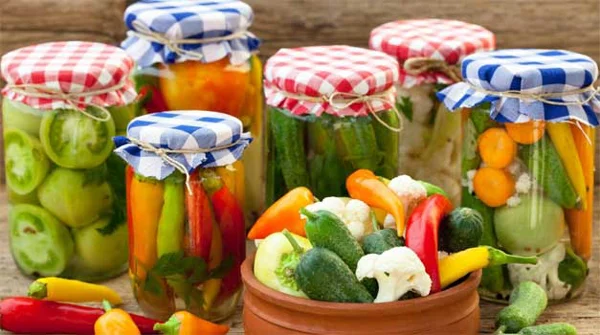
Important for People with Weakened Immune Systems
Toxins that can occur due to food poisoning can also be seen in people with weakened immune systems.
- Microorganisms in pickles can change the flora. As a result of this,
- Helicobacter pylori, which causes stomach and urinary tract infections
- Can cause more chronic problems such as urinary tract infections
- Food poisoning can occur.
Pickles Help Prevent Stomach and Intestinal Infections
Pickles prepared in hygienic conditions and with the correct ratio of salt, water, and vinegar can be beneficial.
Therefore, pickles can be one of the fermented foods that can be included in a balanced diet.
#Pickles
8 Important Rules for Making Pickles
The following points should be considered to maintain the texture and prevent spoilage of pickles for a longer period:
- Wash vegetables and fruits very well.
- Make sure the jar and lid are clean.
- Adjust the salt-to-water ratio correctly.
- Use the appropriate amount of vinegar.
- Use fresh and small vegetables.
- Ensure that the vegetables remain submerged in the brine.
- Store pickles in a cool place.
- Do not consume pickles that show signs of mold, bad smell, or spoilage.
The quality and durability of pickles depend on the correct ingredients, hygiene, fermentation time, and storage conditions.