
7 March 2011
Publication Date
20 November 2026
Last Updated
#Advertising
### What to Pay Attention to When Cooking Vegetables?
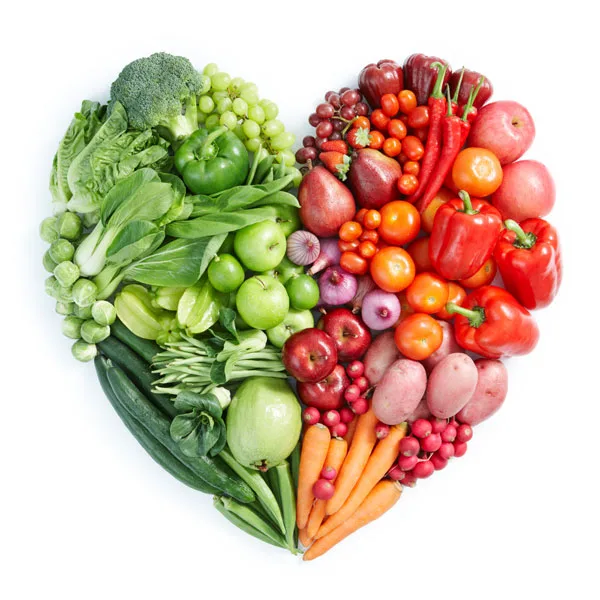
Vegetables are very rich in iron and calcium minerals, as well as vitamins A, B, and C. Did you know that you should cook vegetables containing vitamin "C" without boiling or heating them?
Cooking vegetables that you don't know the cooking method for can be harmful to your health. For this reason, each vegetable has its own specific cooking methods. Here are the important tips to help you get the maximum benefit from your vegetables:
#Advertising
### Cooking Rules to Preserve Color and Appearance
**Keep the Lid Closed:** When boiling vegetables other than spinach, keep the lid of the pot closed so that you can see the vegetables changing color.
**Lid and Chlorophyll on Green Vegetables:** When cooking green vegetables, do not keep the pot lid closed continuously. This will prevent the vegetable from losing its original color and turning brown.
To prevent browning, occasionally open the lid while cooking the vegetables. Some people also add soda to the cooking process to prevent browning. This is not a good method because soda destroys the nutrients and flavor of the food.
**Ice Water to Stabilize Chlorophyll:** Chlorophyll is the substance that gives green vegetables their color. To help the green vegetables retain their green color, soak them in ice water before cooking.
#Advertising
### Boiling, Measuring, and Preparation Steps
**Boil Twice and Salted-Lemon Water:** To get the best flavor, all vegetables should be boiled twice. Boil the vegetables in salted and lemon water, then drain and boil again in fresh salted and lemon water.
**Vegetable Water Measurement:** The amount of water you add to your vegetable dish should be enough to cover the vegetables.
**Boiling Water and Salt Balance:** Boil your vegetables in salted water. Vegetables boiled in unsalted water will absorb too much water. Salt should be added to the water after the legumes have cooked. Otherwise, the outer layer will become hard.
#Advertising
**Wash, Chop, and Water Temperature:** Vegetables lose their vitamin content quickly. Wash and chop your vegetables just before cooking. The temperature of the water you use to cook your vegetables is also important for vitamin retention. Adding cold water while cooking will cause vitamin and flavor loss.
**Boiling Water and Potato Details:** To make a good vegetable dish, the boiling water should be enough to cover the vegetables. Using too much water will cause the loss of flavor, vitamins, and minerals. You should always boil vegetables other than potatoes in salted water. You can only mash potatoes in salted water.
**Cook Peas Quickly:** To cook peas quickly, add a little baking soda to the water.
**Fiber and Acidic Foods:** All vegetables and fruits should be cooked with the right amount of water. You should not keep the cooked food on the fire for too long because the nutrients have transferred to the water. The cooking time should be proportional to the fiber content of the food. Roots have more fiber than other vegetables.
Fiber takes a long time to cook, so roots should be cooked first, followed by leaves. Acidic foods such as lemon and vinegar slow down the cooking process. Therefore, acidic foods should be added to the cooking process at the end.
**Keep the Lid Closed on Oil-Based Dishes:** To make oil-based dishes more delicious, keep the lid of the pot closed after taking it off the heat.