

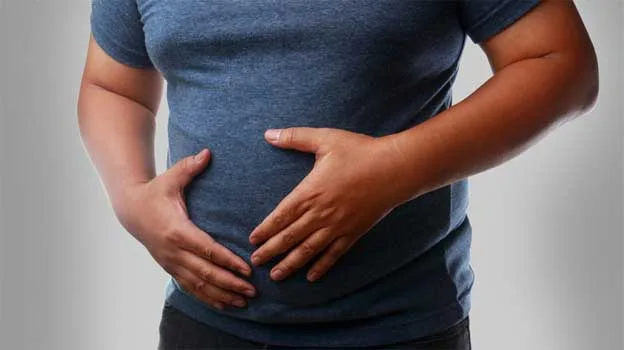

The liver is a vital organ that helps in metabolizing and digesting food, as well as producing bile. Non-alcoholic fatty liver disease (NAFLD) is a condition in which there is an excessive amount of fat in the liver cells. This buildup can lead to liver inflammation and scarring, and in severe cases, it can progress to cirrhosis and liver failure.

How to Prevent Fatty Liver?
- What are the signs of fatty liver?
Non-alcoholic fatty liver disease is often asymptomatic. People who do have symptoms may experience:
- Feeling tired or generally unwell
- Pain in the upper right side of the abdomen
- Rapid weight loss
Symptoms of a more serious non-alcoholic fatty liver disease may include:
- Jaundice (yellowing of the eyes and skin)
- Swelling
- Dark urine
- Abdominal swelling
- Vomiting blood
- Black stools
- Skin itching
Why Does the Liver Become Fatty?
Several factors can cause non-alcoholic fatty liver disease, including poor diet, excessive alcohol consumption, obesity, and high blood sugar levels. Some medical conditions, such as hepatitis C and rapid weight loss, can also contribute to the development of non-alcoholic fatty liver disease.
Non-alcoholic fatty liver disease is more common than many people think. It is often caused by excessive eating, sugary drinks, alcohol, or lack of exercise. The good news is that the liver is a resilient organ and can heal itself with a few simple lifestyle changes.
You can make a big difference in just 90 days.

Eat a Cleaner, Healthier Diet
- Cut out sugary drinks, sweets, and white bread. Fill your plate with vegetables, fruits, whole grains, and healthy fats.
- Aim for omega-3 fatty acids by eating fish, flax seeds, or walnuts. If you drink alcohol, try to limit it as much as possible.
The key to treating non-alcoholic fatty liver disease is to make simple, sustainable lifestyle changes. With a few small changes, you can reverse the damage and improve your liver health.
To prevent fatty liver, you should:
- Eat a healthy diet that is low in saturated fat, cholesterol, and sugar.
- Get regular exercise.
- Maintain a healthy weight.
- Avoid alcohol.
- Get vaccinated against hepatitis A and B.
- Talk to your doctor about any medications you are taking.
If you have non-alcoholic fatty liver disease, you can still live a healthy and active life. By making a few simple changes to your diet and lifestyle, you can improve your liver health and prevent further damage.
Non-alcoholic fatty liver disease is a serious condition, but it is also one that can be treated. By following the tips above, you can take control of your health and prevent this condition from progressing.
If you have any concerns about your liver health, talk to your doctor. They can help you determine if you have non-alcoholic fatty liver disease and recommend the best course of treatment.









