DISEASES

What Should He Do to Protect From Breast Cancer?

Early diagnosis is the first condition of success in breast cancer treatment, and it is important to know and not neglect early diagnostic methods that save lives.

Regular Control to Avoid Breast Cancer
13 February 2012
Publication Date
13 February 2012
Last Updated

What Should He Do to Protect From Breast Cancer?

¨ImageAlt6822¨

Early diagnosis is the first condition of success in breast cancer treatment, so it's important to know and not neglect the early diagnostic methods that save lives. Radiology Uz. The imaging methods used in the diagnosis of Dr. Ergin Haktas breast cancer have provided information about mamography and ultrascanography.


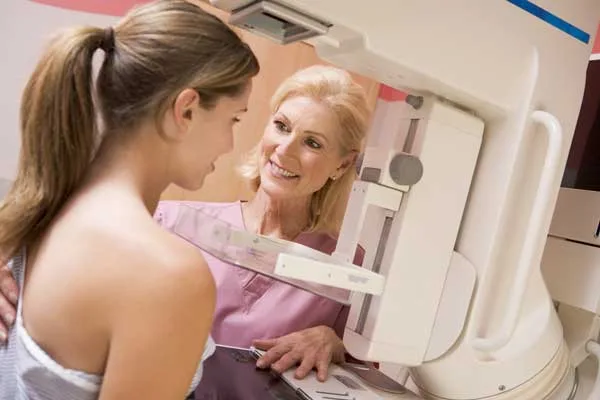
Breast cancer is the most common form of cancer in women, among the first causes of cancer-related death. Mammography used in cancer diagnosis and screening is a special device that makes a film of breast cancer. During filming, low doses of x-ray are used. Other diagnostic methods, such as ultrascanography, are used as complementary mamography.


Get a mammogram every year or two after 40!


Mamography is considered the golden standard in early diagnosis of breast cancer. The study is intended to identify masses that have not been recovered in the examination, so the tumor is able to be caught early and the patient's chances of treatment are increasing. The screening mammography shows different views on the age of the study, while the risk factor is not present in those who have no risk factors.


Tumors So  Early Catchable


Once in a year or two from the age of 40, mammography is recommended. It can be applied to women in the high risk group who have been diagnosed with breast cancer, and because of the density of breast tissue, the study of ultrasound should be done to young women in addition to the density of breast tissue.


Now Digital Mamography and Short-term Right Filming


With the progress of technology in imaging methods, digital mammography quickly replaces classical mammography, which allows images to be obtained in digital space, unlike classical mammography.


Digital mammography can prevent reshoots both in the process of completing the shot and due to the wrong dose. The order is available to higher video quality and the focus of small lesions and millimetric calcifications can be found easier, and the images available can be stored and carried in digital space.