
#Reclamation
Experts have provided information on how to change bacterial balance in the intestines, while using antibiotics, experts who have indicated that the effects of side effects can be changed, and how to improve their responses, while using antibiotics, are important to feed on the right diet.

Bestation experts are eating during antibiotics;responsibility çexpectation of nutrition during antibiotics.
|
Watch out for Antibiotics! |
Antibiotics Use Affects Bacteria Balance in the Intestinals
1. Antibiotics must be taken into account as a physician
The number of good bacteria living in the intestines during antibiotics may be reduced; the balance between useful and harmful bacteria may be changed; at this point, the correct diet is extremely &oluml; it is very important.
The use of antibiotics in every türe cold situation is often used without consulting the doctor; reminding that unnecessary antibiotics can affect health and the path to antibiotics resistance is considered a sub-cyccel; therefore antibiotics must be used in the control of physicians.
#Reclamation
2 How to Understand Antibiotic Side Effects
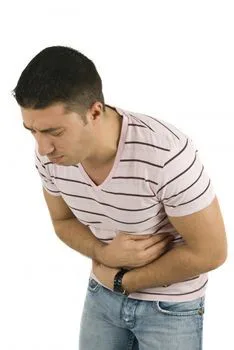
Any bacterial infection can also affect the survival of other bacteria living in the intestines. Antibiotic use can often cause nausea, diarrhea, loss of appetite, gastrointinal symptoms such as gastrointinal symptoms can be &ccedl;icicics when using antibiotics and re-acquired bacteria in the post-biotic treatment. &nombs;&nbs;&nbs;
In the course of antibiotics, adequate and balanced nutrition, side effects help to improve and improve the treatment. During antibiotics and the next dönemal;eminably probiotic and prebiotics, vitamin K, posa, and fiber-rich nutrients büy&ml;k &nbsl;ouml;ml;nembsp;nems;neml;nem;probiotics;em/oump;e.
3 Antibiotics - How Should They Feed?
Probiotics and prebiotics: As a result of antibiotics use, the number of good bacteria in the intestines has decreased; the harmful organisms ç can cause equal problems; therefore the use of antibiotics is also tüthe processing of probiotic nutrients is also a t&uluml; is a standard for the treatment of the disease.
The treatment of the lactic acid bacteria from the probiotic bacteria can be effective in re-enhancing and reducing side effects of bacteria after the use of antibiotics, such as içressing yogurt, cheese, kefir, tarhana and pickles.
Prebiotics are food for the probiotics in the intestines and the undiagnosed nutrients, so it is necessary to benefit from the health effects of living bacteria in the intestines; and the prebiotic food sources in nutrition must be included.
- Prebiotic and Probiotic Foods Balanced TüStruck
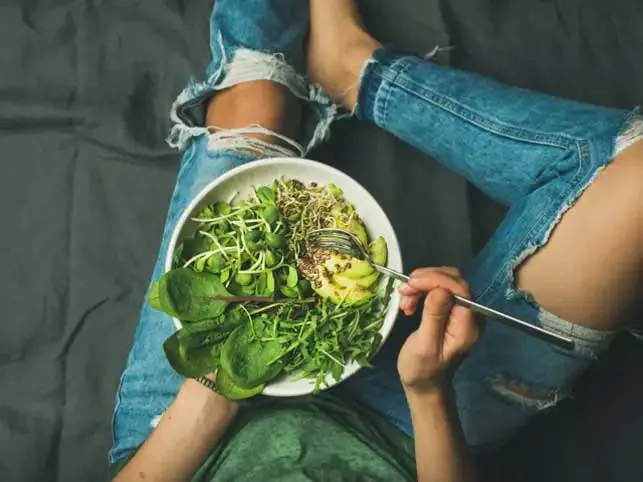
Prebiotic foods such as dandelions, artichokes, oatmeal, onions, bananas, and asparagus, with probiotic nutrients, can help restore the balance of the intestines after the use of antibiotics.
Vitamin K: Some bowel bacteria can also cause vitamin K to be re-coagulated in the blood. Antibiotics can also cause a lack of vitamin K in the long sëreal antibiotics that destabilize the bacteria in the intestine.
In antibiotics and in the next dö in the next case, rich foods from dark green leafy vegetables, which are a good source of vitamin K, are very useful to produce.
Posa/Lif: Possum rich nutrients can affect the use of antibiotics in the body. Food &oluml;resistant-in-ccedil; no interaction; iç right after taking antibiotics; like fruits and vegetables;resulting the food is preferred by the non-choice;but after finishing antibiotics, eating rich from the body and fiber helps to regain good bacteria and support the digestive system.