
24 October 2026
Publication Date
25 October 2026
Last Updated
#Advertising
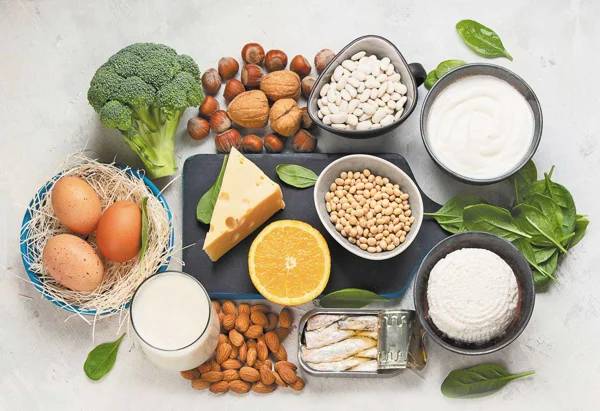
The 5 Essential Vitamins and Minerals for Strong Bones: Foods That Support Bone Health
What vitamins and minerals do you need to maintain bone health? Vitamin D, calcium, phosphorus, vitamin K, and vitamin C are nutrients that play an important role in bone development and maintenance. Especially, paying attention to a balanced diet from childhood and adolescence can help prevent bone health problems that may arise in later years.
Although bones are considered a hard and dynamic tissue, bones can also become worn and weak. Especially as we age, bone loss is expected, and even a minor injury can cause bone fractures. However, with simple precautions taken in our youth, we can maintain healthy and strong bones in later life.
Ortho and Trauma Specialist Prof. Dr. Selami Cakmak says, "After the age of 50, there may be a gradual decrease in bone mass. Contributing to bone health from childhood and adolescence can prevent bone health problems that may occur in later years. In addition to a balanced and healthy diet, there are also some vitamins and minerals that benefit our bones."
Prof. Dr. Selami Cakmak explains the important warnings and recommendations related to the essential vitamins and minerals for bone health.
#Advertising
What Vitamins and Minerals Are Important for Bone Health?
Some vitamins and minerals should be included in the diet to ensure the healthy development and maintenance of bones. According to the information provided by Prof. Dr. Selami Cakmak, the five nutrients that stand out for bone health are vitamin D, calcium, phosphorus, vitamin K, and vitamin C.
Each of these vitamins and minerals has different roles in bone health, and balanced nutrition is important to ensure that these nutrients are taken in sufficient amounts.
#Advertising
How to Get Vitamin D?
Vitamin D is one of the most important vitamins for bone health. Especially, its contribution to the absorption of calcium obtained from food is significant. Vitamin D plays an important role in bone growth and maintaining bone balance.
Vitamin D deficiency can cause easy bone fractures, bending, and deformities.
#Advertising
Where to Find Vitamin D?
The best way to get vitamin D is to benefit from sunlight. Fish and fish oil are also rich in vitamin D.
Because vitamin D is not very common in natural food sources, it may be necessary to supplement with vitamin D. The recommended daily intake of vitamin D ranges from 600 to 4000 IU, depending on age.
#Advertising
What is Calcium?
Calcium is an essential mineral for healthy bone development, especially in childhood and adolescence. To maintain calcium levels in the body, calcium-rich foods should be consumed throughout adulthood and in later years.
According to a study, people who consume enough calcium from childhood have a lower risk of bone fractures compared to those who do not.
#Advertising
Where to Find Calcium?
One serving of salmon contains 200 mg of calcium, and one cup of milk contains 200 mg of calcium.
A healthy adult should consume 1000 mg of calcium per day, and 1200 mg in later years. If calcium levels are insufficient, the body will use calcium from the bones. Therefore, it is important to pay attention to calcium intake through diet.
#Advertising
What is Phosphorus?
Phosphorus and calcium are two minerals that work together to maintain bone health. When these two minerals are taken together, their absorption from the digestive system is improved.
Studies have shown that excessive caffeine intake can reduce the absorption of calcium and phosphorus from the intestines. Therefore, excessive coffee consumption should be avoided.
#Advertising
Where to Find Phosphorus?
Dark green leafy vegetables, legumes, and nuts such as almonds are rich in calcium and phosphorus.
With a balanced diet, we can usually get the necessary daily amount of phosphorus from food.
#Advertising
What is Vitamin K?
Vitamin K plays an important role in bone formation. Studies have shown that vitamin K deficiency can increase the risk of bone fractures in older adults.
Vitamin K-2 is especially important for maintaining bone health in women after menopause.
#Advertising
Where to Find Vitamin K?
Green leafy vegetables, dairy products, parsley, green tea, kiwi, and dried apricots are rich in vitamin K.
However, if you are taking blood thinners, you should consult your doctor before taking vitamin K supplements.
#Advertising
What is Vitamin C?
Vitamin C is an essential component of collagen, which is a building block of bones. In addition to its role in vitamin C, it also helps prevent bone breakdown.
A study showed that vitamin C intake in older men reduced the risk of bone fractures.
The recommended daily intake of vitamin C is 75 mg for women and 90 mg for men.
#Advertising
Where to Find Vitamin C?
Broccoli, cauliflower, Brussels sprouts, peppers, strawberries, and kiwi are rich in vitamin C.
#Advertising
How to Maintain Bone Health from Childhood?
Maintaining bone health is not only a concern for older adults. Prof. Dr. Selami Cakmak emphasizes that contributing to bone health from childhood and adolescence can prevent bone health problems that may occur in later years.
Therefore, paying attention to a balanced and healthy diet from childhood and adolescence is important for bone development.
#Advertising
How to Maintain Bone Health?
Prof. Dr. Selami Cakmak emphasizes that maintaining bone health requires a balanced diet, not just one vitamin or mineral.
Ortho and Trauma Specialist Prof. Dr. Selami Cakmak says, "Taking into account the interaction between the vitamins and minerals we mentioned, and the fact that they benefit our bones, balance is the most important factor in maintaining our bone health in life."
Therefore, including vitamin D, calcium, phosphorus, vitamin K, and vitamin C in a balanced diet is important to support bone health. However, it is important to consult with a doctor before taking vitamin and mineral supplements.