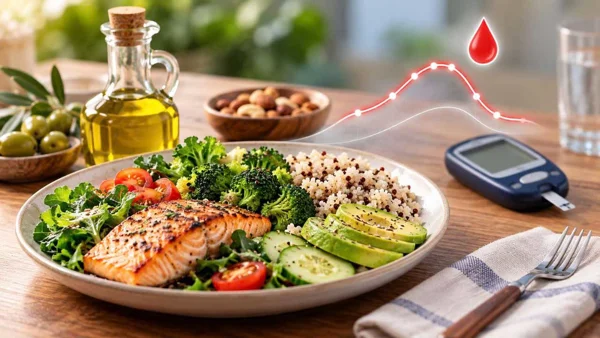

The recent trend of drinking olive oil before breakfast, which has become widespread on social media, is also in the spotlight due to its potential effects on blood sugar. A new study has shown that consuming olive oil before carbohydrates can limit the rise in blood sugar after meals and slow down digestion in mice. However, experts point out that these results have not yet been proven to be the same in humans.
The study was published in the Diabetes journal on October 8, 2026. The team from Kyoto University examined the effect of consuming olive oil before glucose on blood sugar and the hormonal and neural mechanisms behind this effect.
- Consuming olive oil before glucose slows down blood sugar rise
In the mice that consumed olive oil before glucose, the rise in blood sugar was lower and digestion was slower. This may be due to the fact that glucose takes longer to reach the bloodstream.
This effect was also observed in mice with type 2 diabetes and mice with significantly reduced insulin production.
# Advertisement

Does drinking a shot of olive oil before meals help lower blood sugar?
How does olive oil affect hormones and the nervous system?
Researchers have found that consuming olive oil before glucose leads to earlier and more pronounced increases in glucagon, GIP and GLP-1 hormones.
One of the striking findings of the study was the role of GLP-1 and glucagon together. Researchers also found that the vagus nerve is also effective in this process.
These findings suggest that the order in which foods are consumed can affect the relationship between the digestive system and blood sugar.
What does this mean for humans?
Here is an important distinction: this new research was conducted on mice, not humans.
Therefore, it is not correct to conclude that "drinking a shot of olive oil before breakfast will regulate blood sugar" or "it is good for diabetes." Researchers say that clinical trials are needed to determine whether the mechanism works in humans.
Experts at Medical News Today also point out that reducing early-stage blood sugar spikes does not necessarily mean that insulin sensitivity has improved or that diabetes is better controlled in the long term. It is also noted that the study did not evaluate long-term outcomes such as HbA1c, weight, or medication needs.
What do small studies say?
The relationship between olive oil and food order has also been studied in humans in small studies.
In a randomized crossover study of 6 men with type 2 diabetes, 30 milliliters of olive oil was consumed 30 minutes before a carbohydrate-rich meal. The study found that olive oil slowed down digestion, delayed blood sugar rise, and increased GLP-1 secretion. However, due to the small number of participants, these results cannot be generalized to a wider population.
Therefore, the current evidence suggests that there is a relationship between food order and blood sugar response, but it does not mean that drinking olive oil shots is a proven method for controlling blood sugar in diabetes.
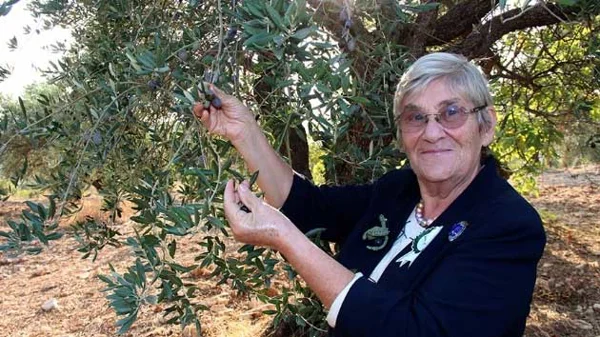
Karatay recommends consuming olive oil before breakfast; a new scientific study examines the effect of consuming olive oil before carbohydrates in mice.
- Prof. Dr. Canan Karatay also recommends consuming olive oil before breakfast
Karatay also said that those who want can add lemon to the olive oil. She also said that olive oil is good for health.
# Advertisement
Is it beneficial to drink olive oil before breakfast?
According to experts, you do not necessarily need to consume olive oil as a shot to benefit from its health benefits. You can use olive oil as a replacement for other fats in meals.
However, the results of this new study show that consuming olive oil before meals does not necessarily improve blood sugar control.
# Advertisement
Can changing the order of food consumption help manage diabetes?
According to researchers, these findings provide a clearer biological explanation for why consuming carbohydrates before fats can reduce blood sugar spikes.
This may open up a practical approach for managing diabetes. Changing the order in which foods are consumed does not require restricting certain foods.
However, it is emphasized that the study was conducted on mice and the same effect has not yet been proven in humans. Clinical trials are needed to determine whether this mechanism works in humans.
Source: Medical News Today, October 22, 2026; Diabetes journal, October 8, 2026; Kyoto University, October 9, 2026.