|
|
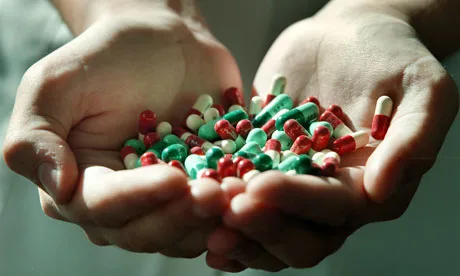
In addition to the recent increase in winter sickness, the use of antibiotics and other drugs has also become common. I'll take an antibiotic from the pharmacy so that I can get rid of the disease in my throat or Last time I had a good feeling, if you want to take a pill, it's not only a mistake, you're giving visas to diseases due to unconscious drug use. The Infectional Diseases expert, Assoc. Prof. Dr. Kenan Keskin, has given important information about the harmful effects of unconscious medicine use.
| |
Medicines Are Like Sharp Blades On Both Sides
Most of us don't like to take drugs because it tastes bad, but we pay serious money and take drugs and use them when necessary, but without doctor's advice, random drugs can lead to many negative effects on the human body.
No use, no time, no time or no time No Drug Drug in Excessive Medicine
Especially when antibiotics are unconscious, except for the unnecessary side effects of body fluoride. Not only do they cause infections with opportunistic bacteria but they also trigger resistance among bacteria, causing the release of antibiotics in the condition of doctors against bacteria, which is their weapon.
When drugs, especially antibiotics, are used correctly, in a proper dose, in a proper dose, and in time, life is a savior, and in situations where they are unnecessary, timeless, inadequate, or overdosed, or used in the wrong drug, it is harmful instead of beneficial.
The wrong and inappropriate use of drugs is most common in the following ways:
- [Static]Doctor's orders. Without it, you can use medicine on yourself, on the advice of a relative or a pharmacist.
• to have small children take the drugs in the house and eat them or drink them.
• Especially by old people and children, the use of drugs by mistake.
* Misdiagnosis or treatment
• Except for the purpose of treatment, the use of drugs for pleasure or other effects, or abuse of drugs.
Not Hurting a Patient Is The Key
The doctors must first calculate the benefits and harms of the drug. There is a principle in medicine that sums up this approach in the form of a primum nil nocere (first harming the patient).
In any way, when used wrongly, all medications may have a less or more toxic effect or side effect (unwanted effect) and may also cause allergic effects.
Read Very Carefully About Drug Use Instructions and Side Effects
The treatment of drugs in the market is specified in the instructions for use (prospects) which are to be used for treatment, what effects are to be used in the high doses, and what should be done in such a situation. They must be followed.
There is a special group called antibiotics in medicine, and they have some negative effects in their misuse, which are not only for those who use the drug, but also for those who will use it later.
What Is the Damage to Inappropriate or Unnecessary Antibiotic Use?
In various parts of our body, the microbes that live without disease are destroyed, called body fluorescent, and the death of these microbes will cause a biological imbalance, resulting in various opportunistic microbes multiplying and proliferating infections.
* Microps gain resistance. Then we're less likely to succeed in patients who use the same antibiotics.
• Resisting microbes cause hospital infections in hospitals, especially in intensive care services. These infections can pose a life-threatening threat. Hospital infections cause prolonged hospital stays, increased treatment and care costs, and resources are wasted. The resources that need to be spent on education, basic health and nutrition are misused.
Consider These Advices!
• Except for doctor's advice, the drug should not be used by self-determination.
• A non-doctor should not be used by others.
• Medics should be kept in lockers, where children can't reach, if possible, and avoid leaving little children alone at home.
• If any negative effects are seen while using drugs (high fever, nausea, dizziness, vision disorders, itch, urticer-like rashes or purple stains) should be seen, the doctor should be admitted without delay.
• A doctor must be consulted again if treatment is not expected to have the desired effect.
|