|
|
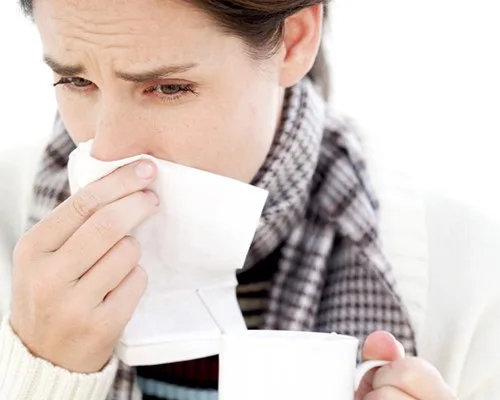
With the good summer days behind us, winter is now at the door. The cold weather and the shopping malls began; the beginning of the training period began to spend more time in closed environments, such as school, service. In this case, the increased close contact between people will lead to increased contact with people; in your hands, tissues, nose wipes, red, and many people who you see are constantly sneezing will cause you to suffer from respiratory infections.
|
Although a strong immune system can deal with many diseases, including infections, certain measures to prevent microbial disease must be taken.
Since the flu is a virus, it does not respond to antibiotics.
We can feel the heat and cold air together during the same day depending on the change of season. These changes are one of the most important reasons that increases your risk of getting flu. The flu is a disease that is often transmitted by cough or sneezes from people who carry the disease in autumn and winter, and is transmitted directly through the air. The observatories are between 1-4 days. The infection period is between 24 hours and five days before the symptoms start.
The symptoms of the flu include fever, throat pain, nose current, sneeze, cough, headache, abdominal pain, abs and abdominal weakness. In a week or two, there is usually a recovery. But in older people, diabetes, people with chronic illness in the lower kidney, heart or respiratory system, they may also be more likely to be able to take a step up to pneumonia. The flu does not respond to antibiotics because of a virus disease. The treatment is highly effective in the early stages.
Be careful between school services and public transportation
As with many infections, the first important measures to avoid respiratory infections are proper hand cleaning. Our hands that interact with all kinds of environments during the day can be involved in the removal of many microbe in the external environment. Common items, public transportation vehicles, school services are the environments that will allow disease to be infected. In addition, the door handle, the keyboard, the keyboard, the telephone ring, the effects of the materials may be contagious if people who have been infected have been infected at some time.
Other than that, after contact or handshakes, it is appropriate to keep hands off the mouth, nose, face, hands fully washed with soap. Hand sanitized tissues can also be used if you cannot wash your hands. It is also appropriate to avoid contact with patients, if one of the residents is ill, that the towel, sheets, plate, glass, and things like the patient's belongings should not be used in common. It is also recommended to be used after contact with them. It is also appropriate to provide frequent airing environments such as the home, office.
Those who are allergic to eggs shouldn't be vaccinated.
The flu prevention of contact with people with the flu may also be recommended as well as the flu vaccine. Since the flu virus is a constant changer virus, the World Health Organization is preparing the virus types that are common that year and the vaccine is prepared accordingly. The vaccine contains 3 types of dead viruses. After practice, it takes about 10-15 days to show its impact. Therefore, it is suggested that it should be done early in the autumn. The reason for early in the whole winter is that it should be done quickly to start the immune treatment. By the same time, although it is often protective, the flu vaccine will never occur. It is not likely that the infection will be a cure between 60 and 60 or 15 days.
People over 65 may be eligible to receive flu shots (such as asthma, chronic bronchitis), chronic heart and vein patients, diabetes, blood disease, people with long-term cortisone use (such as AIDS, cancer treatments). Also, the first neuroses of women who remain in nursing/fluorous homes and staff here and staff staff, are also required to receive flu shots (such as people who are suffering from flu injections), however, those who have an allergic to the content of the vaccine, are allergic to the content of the vaccine, should be given a prescription for a three month after the first pregnancy of the first month.
In winter, strengthen your immune system!
It is the most accurate step to prevent disease from becoming ill and waiting for treatment, rather than slowly entering winter. Because when we are exposed to germs, preventing disease from being exposed to disease, or getting out of it slightly, is proportional to the power of our immune system. The immune system is a highly complex system, which includes many cells and organs. We are protected from diseases such as infections and cancers. In addition to certain immune failures, there are some mental stress and immune suppressive drugs that can destabilize this system. While people with a healthy immune system are not easily infected by environmental factors, we are protected by the effects of infections and cancers, we are protected from the effects of the disease.
To triple your immune system, consider these suggestions.
• The key to the good work of the immune system is to eat balanced food; there is no magic food that does that; but the important thing is to consume the food that is produced and prepared in healthy conditions.
• Get sufficient proteins. Use animal and herbal proteins in a balanced manner as a source of protein.
• Feed with raw vegetables and fruit, which help strengthen the immune system through natural vitamins and other antioxidants, where they contain vegetables and fruits.
• Use the probiotics (yogurt, kephyr). Such nutrients are involved in the healthy functioning of immune systems in the stomach-intense system.
• Take your sleep. It is important not only to sleep long enough, but also to sleep well in the immune system.
• Exercise, but not overkill, reduces the risk of infection of regular exercise, and on the contrary, extreme and irregular exercise can negatively affect the functioning of the immune system.
• Make sure you take plenty of fluids.
• Use natural, freshly squeezed juice instead of ready drinks
• For tea. It contains a large number of antioxidants called green tea cateches, which help to fight oxygens that can cause many diseases.
• It is known that smoking corrupts the response of immune cells, so give up smoking, and try not to be passively exposed to cigarette smoke.
• Avoid excessive fat consumption, especially trans fats. It has been shown that over-fat consumption of nutrients has a negative effect on the immune system. Try to keep your weight in ideal range. Fast weight loss weakens the immune system. Avoid unconscious, rapid weight loss.
• Do not upset your skin with the balance of healthy and normal bacteria with excessive use of cleaning materials.
• Avoid unnecessary use of antibiotics without medical supervision.
• Look positively at life, and laugh heavily.