
Advertising
5 Expert Tips for a Healthy and Long Life
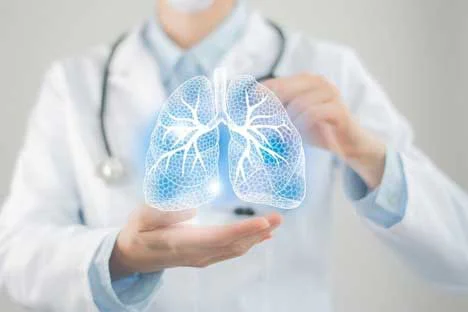
Don't think that shortness of breath while climbing stairs is a natural consequence of aging. The decrease in lung capacity can affect many areas, from muscle strength to physical endurance and the ability to move independently in daily life. Prof. Dr. Sertac Arslan, a Chest Diseases Specialist, explains the 5 important steps to protect your lung health and live a healthy life.
When it comes to healthy aging, the first things that come to mind are heart health, balanced nutrition, and regular exercise. However, protecting your lung health is also very important for a long and quality life. From ensuring adequate oxygen reaching the tissues to working muscles, physical endurance, and being able to live independently in old age, the capacity of the respiratory system is closely related to all these processes.
Prof. Dr. Sertac Arslan, emphasizes that protecting lung function is one of the basic conditions for a healthy and independent life, and that the ability to breathe for a long time is an important, but often overlooked, indicator.
Advertising
Why is Lung Health Important?
To live a healthy and long life, simply taking care of your heart, eating a balanced diet, or trying to walk 10,000 steps every day is not enough. One of the essential elements that the body needs to sustain life is adequate and healthy breathing.
Prof. Dr. Sertac Arslan emphasizes that healthy aging is not just about living a long life; it is about being able to move and function in later life, maintaining daily activities, and maintaining a good quality of life.
Prof. Dr. Arslan says:
"Ensuring that adequate oxygen reaches our tissues, working our muscles, maintaining our physical endurance, and our organs functioning healthily are all closely related to the capacity of our respiratory system. Protecting lung function is one of the basic conditions for a healthy and independent life. Therefore, the ability to breathe for a long time is an important, but often overlooked, indicator of a long life."
Advertising
How Lung Function Decline Affects Muscle Strength and Independence
The decline in lung function is not just a problem for the respiratory system. People who experience shortness of breath can gradually reduce their physical activity. The decrease in movement can lead to muscle loss, reduced fitness, and limited mobility.
Prof. Dr. Sertac Arslan explains the effects of this on daily life:
"The decrease in physical activity can lead to muscle loss, reduced fitness, and limited mobility. A person may start to experience difficulty in activities such as shopping, climbing stairs, and participating in social activities. In the long term, there is a risk of withdrawing from social life and becoming dependent on others. Therefore, protecting lung health also means protecting our independence and quality of life in old age."

How Does Lung Capacity Change with Age?
It is expected that there will be a certain degree of decrease in lung capacity with age. However, the significant decrease in breathing capacity is not just due to age.
Prof. Dr. Sertac Arslan states that with age, the elasticity of the lung tissue decreases, the mobility of the chest wall decreases, and there may be a decrease in the strength of the breathing muscles.
While the changes in lung function are not always considered as part of the natural aging process, Prof. Dr. Arslan emphasizes that conditions such as COPD, asthma, and lung fibrosis can also cause a decrease in breathing capacity.
He also points out that the increasing shortness of breath that occurs during physical exertion should be investigated.
Advertising
Don't Ignore Shortness of Breath, Cough, and Wheezing
Shortness of breath, cough, and wheezing that appear with age are often considered as a natural consequence of aging or lack of fitness. However, these symptoms can also be a sign of an underlying respiratory disease.
Prof. Dr. Sertac Arslan lists the 5 important symptoms that should be evaluated:
- Increasing shortness of breath: Feeling difficulty in breathing during activities that were previously easy.
- Difficulty keeping up with younger people while walking: Feeling a significant difficulty in walking compared to younger people.
- Long-lasting cough and phlegm: Continuing cough and phlegm for more than a week.
- Wheezing while breathing: Hearing wheezing or whistling sounds while breathing in and out.
- Frequent bronchitis and respiratory infections: Frequently experiencing bronchitis or respiratory infections.
Prof. Dr. Arslan emphasizes the importance of seeking medical evaluation if these symptoms are observed, especially in people with a history of smoking or exposure to harmful air pollutants. He also mentions that spirometry, a simple breathing function test, can objectively measure the narrowing of the airways.
Advertising
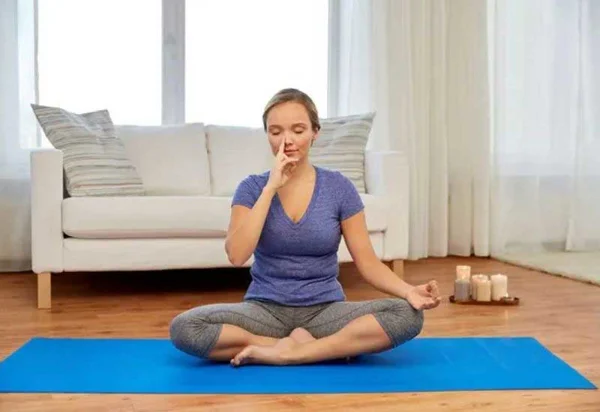
Support Your Breathing with Deep Breathing Exercises
Deep breathing exercises can help improve breathing control and make breathing more efficient. In diaphragmatic breathing, the focus is on the movement of the diaphragm during breathing, and rhythmic, controlled breathing is applied. These exercises can help relieve stress and promote relaxation.
Especially for people with chronic lung diseases, some breathing exercises can help to cope with shortness of breath and make breathing easier during daily activities. However, the type and method of exercise should be determined according to the person's health condition.
It is important for people with chronic diseases such as COPD or asthma to consult their doctors before starting breathing exercises.
Advertising
Don't Neglect Treatment for Chronic Lung Diseases
People diagnosed with chronic lung diseases such as COPD and asthma need to continue their treatment to protect their lung health and quality of life. Taking medications as prescribed, attending regular check-ups, and monitoring changes in the disease are important parts of the treatment process.
Personalizing the treatment according to the individual's needs is also very important. With the cooperation of the patient and the doctor, it is possible to influence the course of the disease and maintain health.
Advertising
5 Important Steps to Protect Your Lung Health
Protecting your lung health is a topic that should be considered at every stage of life, not just in old age. Some lifestyle habits can help protect the respiratory system and maintain physical fitness.
Chest Diseases Specialist Prof. Dr. Sertac Arslan recommends the following 5 steps to protect lung health:
1. Avoid Smoking and Tobacco Products
Avoid smoking and other tobacco products. If you smoke, seek professional help to quit.
2. Exercise Regularly
Exercise regularly, including walking, swimming, and other moderate-intensity exercises that are appropriate for your physical condition. This can help improve fitness and make breathing more efficient.
3. Get Vaccinated
Get vaccinated against influenza, pneumonia, and RSV, as recommended by your doctor. Consult your doctor about the type and timing of vaccines.
Advertising
4. Pay Attention to Air Quality
Pay attention to the air quality in your home and workplace. Avoid exposure to dust, smoke, and other harmful substances that can affect the respiratory system.
5. Don't Ignore Breathing Problems
Don't ignore shortness of breath, cough, and wheezing. Seek medical attention if you experience these symptoms.
Chest Diseases Specialist Prof. Dr. Sertac Arslan emphasizes that taking these steps can help protect lung health and maintain a healthy and independent life. He also says that early diagnosis and treatment of lung and respiratory diseases can positively influence the course of the disease.