|
|
As with every season, such health problems are possible to reduce health problems that are common in the summer months, with healthy and balanced diet. Dietist Dietist Berna Ertug has informed us of ways to stay healthy and fresh during the summer.
| |
What to Eat and Drink in the Hots?
The summer climate and humidity, lifestyle and dietal habits are also needed to change. Health problems, such as high blood pressure, heart failure, and heart disease, can be seen as a result of loss of water and minerals, as well as as a high-tension, heart failure, and nausea.
1) Do Not Be Thirsty
In order to cool off in summer, liquid consumption must be important. Fresh vegetables and fruit consumption should be important because of the fact that sports and hard work are involved. They have more fluid needs, and other things like milk, buttermilk, soda, lemonade, herbal teas, sugar-free compostos and freshly squeezed juices are the right choices in supplying liquids.
2) Consume Fresh Vegetables and Fruits
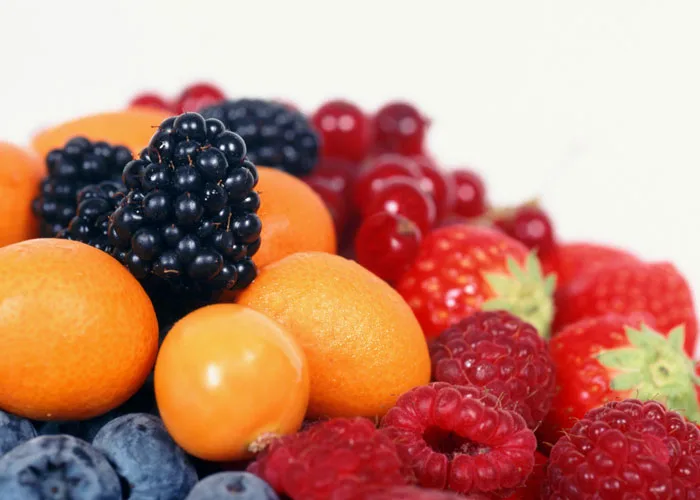
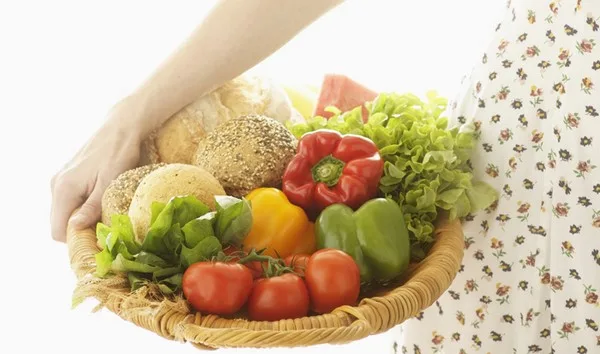
For summer to stay fresh, green peppers, green leaves, like sparkling leaves, kiwis, strawberries, plums; eggs of vitamin A, carrots, apricots, green leaves, and fruit of the summer. vegetables; they're rich in vitamin E The dried beans, nuts, nuts, almonds, fat seeds should be preferred, and the fish, which is the most important for the immune system in the choice of meat, should be consumed by the most rich diet of omega-3 fatty acids, 2-3 times a week.
3) The Beach Should Be Watched Over Water Consumption
Some pre-sea entertainment habits should be noted in summer. After eating, it is not appropriate to go to sea for at least 30 or 45 minutes. Another small intercourse of pre-sea-foresea-two portions of fruit can be consumed. When you are on the beach, you must be careful about drinking water. In the beach bag, you can also choose whether you have dry fruit or fresh food, gray, nuts, nuts, nuts, nuts; cheese sandwiches and salads, toast and butter and butterscotch and butters.
4) Use herbal oil instead of solid oil
Solid fats have an increased risk of heart attack. Heart attacks are more common in summer months, so especially in foods should be noted for the use of herbal fluid oil. Oily seeds (sort of fat, walnuts, peanuts etc.), which contain an excessive amount of oil, as well as oil (sort of fat, walnuts, peanuts, etc.). It shouldn't be consumed.

Especially with oils on bread and vegetables foods that are used for breakfasts, not to use too much oil. The risk of dissolving foods such as cream, mayonnaise is very high and difficult to digest in the heat. The cooking methods are very, very important. Instead of cooking meals, fried and roasted should be applied to healthy cooking methods such as boiling, grilling, and ovens.
Which summer is it? Should Fruits and Vegetables Be Careful?
Grape: the grapes that protect the body from harmful effects, which protect it from heart disease and cancer, including phytochemicals, can be consumed abundantly.
Watermelon: the type of lycopen is found to be more effective than vitamin A and vitamin E, which is known to have a protective feature against cancer.
Apricot: The betakaraton in it controls the molecules that attack cells, prevents cancer. It helps the intestines work. The brighter an apricot, the higher the beta carotene in it.
Tomato: He is especially rich in carotinoids from the side of the lycopen Chest, digestive tract due to the antioxidants of the lycopine. The system, cervix, bladder, skin, is reported to reduce the risk of cancer, and the antioxidants act by preventing or connecting single oxygen to its creation.
Pepper: Plenty of vitamin A and vitamin C It does.
Strawberry: Plenty of A, B1, B2, vitamin C and K, protein, sugar, fruit acid, iron, phosphorus, sodium, calcium and potassium.
Peaches: Plenty of vitamin A and vitamin C It contains. The content of the perpendicular is high.
Keep the Waste of these in Summer
• Fat fries, roasting, meat, vegetables, pastries, fat sauce added nutrients.
* Oversalt and salty nutrients.
* Sausage, salami, sausage, bacon, etc.
• Sats (black, kidney, spleen, brain etc...)
* All fatty foods (fat meats, cream, cream, mayonnaise, tahin, oil sauces)
* Tail oil, internal oil, butter, margarine.
* Sugar juice, sugar-salt drink.
* Unknown foods.
• Add also be noted for alcohol consumption. The choice in consumption should be used in favour of mild alcohol use, especially alcohol on an empty stomach.
| |