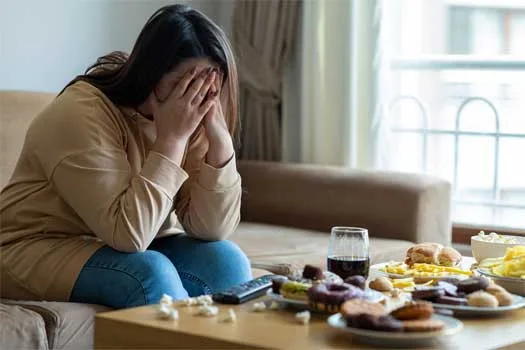

The emotional aç- the growth of strength in winter is generally dwindling gü light, hormone imbalances, seasonal mood swings, cold weather and metabolic demands, multiple mechanisms such as social isolation and stress;result; these can be combined with &oluml;especially carbide and comfort foods;it can be used to combine.
A dense gönöthen after the stress, a need to eat at a stress-based moment is a familiar situation. The fact that most people are familiar is a familiar condition. &ccellal; in the back of this feeling, there are hormones that are often affected by hormones. In stress, the brain is secreting a hormone called cortisol; in the process, it is noted that it is a hormone called cortisol; in the process of stress, it is a hormone that is released by the brain.Specialist psychologist Jün is to prepare the main g&o&o;Kortizolübut this süreccedil;and the appetite also increases dramatically.
The anxiety, fear, and feeling that the brain perceives it as &lquo; danger&squo; and in stress moments, v&um; the lack of energy in the body is more efficient; and the need to eat when you're stressed; therefore the urge to eat while you're stressed, &oluml;especially sudden and control;i>and the need to be able to use the extra energy in the next,<i>and the need to eat while you're stressed out. <i>I> <i>I>I'm afraid.

Günul;nul;k not every desire to eat is caused by aç in some cases, by emotional triggers. In others, it is expressed by physical signals, including emotional eating and physical accedilation; Expert psychologist Jühe does not forget; “ Physical açe; in other cases, it develops body signals, such as the gut grow quickly; in person; in person, and in person, almost every year, he becomes a natural; in a new year; in a new way.
Emotional eating begins suddenly and is often associated with accedil; from accedil; from a ç from an empty feeling. In this case, after certain foods and eating behaviors, one may experience regret or succedility. The real precaution is from feeding; ç from eating; from eating; from drinking, from feeling of emotions, from suppression ç from feeling, from feeling, from feeling of feeling.
#Reclamation
- The brain's way of breaking down to stress: sugar
In stressful moments, ö is a feeling of ease, especially when it's not a coincidence to sweet and carbohydrate nutrients, “This tür food gives the message to the brain to calm down with dopamine and serotonin, but it's not permanent.
If a person is living often, feeling intense remorse after meals, feeling self-pushing behaviors or feeling the slightest moment of space as stress and control if he tends to eat it in an unsolicited manner, it may not be enough to just diet &ccedl; öouml;mm;mm;m.
Emotions are a heavy signal and food is a gç it is not a need for a need for a need for a meal. At this point, it is a warning to receive psychologist or psychiatric support.
- Find out how to eat
Emotional aç the beauty of being able to remove it, is that no matter how much you eat, really eat, really eat, and really not have any. Eating can be comforting at that moment, but the emotions that cause food are still there. And after eating you can feel more and more watery; or after eating, you can feel yourself watery; or after eating too much, or after eating too much, or after eating too much, you can feel uncomfortable and feel uncomfortable.
If you have an emotional eating habit, you already know that it's not as easy to quit as it is. Emotional eating usually comes out of your hand; ç you eat half a box of cookies without realizing what you're doing. However, putting more mental distance between the trigger and the reaction between you and the triggering thing; aka&jdil; implementing strategy to polite &jedil; applying these old habits may help you to break and start to create new ones.
Next time you realize you want to eat something, you'll understand to satisfy it, even if it's just a minute, to postpone it. Note how you feel during this s&hum;re. You can still eat, but you can still press or &oluml;recel; you can improve the feelings or situations you're used to, and in time you can develop other ways to develop &ccelectives.

It also offers you a chance to make a different decision. Sometimes it helps to find a little bit of a distraction, a little bit of a distraction, a little bit of a distraction, a little bit of a distraction that you want.
Keep these in your eye:
- Calling a friend
- Birkaç do a little stretching during the minute.
- I'm getting a five-minute break.
- Plant ç I'm making the moon.
- M&UMl;Sik a>Sing and singing;To go or dance.
- Hug your cat or your pet
- Step out
- Showering
The best thing you can do when you're in an emotional eating crisis is to forgive yourself and start a new life; do it. Remember that it can take time to get rid of the emotional eating habit and that equal approaches may be applied together.
To recognize and name crises, this is d&oum;mult;multiple is a step. After calling the crisis, you can appreciate the positive changes you make in your eating your own mountain.
- Feed Yourself
Pay attention to your general health and well - being can also help to reduce the frequency or intensity of emotional food requests. Consider whether your health habits are a field of interest and your life.
Take stress. If stress contributes to your emotional eating habits, try a technique of stress, including slow yoga or slow breathing, you know, breathing.
Contact others. Time is time-conservative with your supportive loved ones; making them improve your emotional health and may reduce your desires.
Do not deprive yourself of your own. strict limiting calorie purchase or cutting off some food categories completely may increase your desire to eat, especially due to emotional reactions. Your food is in a satisfactory amount of t&uluml; your basket, ç eat and occasionally indulge yourself.
When you can't get the sleep you need, the food you need needs to get you a quick energy boost.
Feed yourself well. ç keep plenty of health-supporting food in your environment: fresh fruit (b&hum;t;t;t;t; or frozen) and vegetables ç lumps, like hummus or roasted chickpeas.
Keep moving, but don't overstep; don't. Physic activity has a effect on reducing stress and improving mood. It can even create a difference in extremes. You can also contribute to food, extrasyncrasies, and exercise.
Plan to rest. Enjoy your spare time and give him the same same amount of food you gave to the business meeting on your calendar.
Avoid ç Avoid the decoding things. If you know that you have a certain comfort food ‐ &nounsh;formation; if you know that you have an addiction to freezing; avoid having that food in your home;/or when you have a triggering feeling, it is wise to avoid shopping; it is also wise to avoid shopping.
You can better feel the stress you face without having to eat emotional food when you feel rested.
- Enjoy Your Food
Another strategy is to know that the opposite of eating without you is to practice eating well. When you slow down and taste each bite, you become more çal than your food; you are less likely to enjoy it and overeat it.
ötry to take a deep breath before you start eating. çset your leaves among the marshmallows. Focus on the tissues, shapes, colors and smells. Slow down, you can taste each bite &ccell;o2 more çress; you can also start to eat more &oluml;so v&ulum;buml;resss to your brain a bite g&olum;resss to your brain;rescel;by giving you a better taste, bç çands;and you can start to eat more and more and more.
Know/ccedil; a diet can also help you feel more comfortable and peaceful; it is another way to break it.
- ç seek help before you need help
We all need food, and we all deserve to take away our food. Sometimes we're allowed to enjoy food as a relief or &oum;d<i> using it as a means of comfort or a means of use;i>it's nothing;but if you've tried different strategies and you've tried to stop eating it emotionally, and you've still had trouble with your doctor, or with a registered dietary, or with a mental health specialist.<i>I'm not interested in giving up your emotional eating habits.</i> <I>I'm sorry.>I'm sorry.>I'm sorry.<I>I'm sorry.
Therapy can help you to understand emotional problems underlying your eating habits and to develop new head ç your doctor or therapist can also help you determine whether you have an eating disorder that can be associated with emotional eating.
The need is not weakness; when you hear support is g</i> gösterge; and this may be the healthiest habit you can find.