

Foods That Help With Anemia and Ways to Increase Iron Absorption
Iron deficiency anemia, which is increasing in frequency in Turkey, is more common, especially in children, pregnant women, and breastfeeding mothers. Anemia, which can affect growth and cognitive development in childhood and increase susceptibility to infections, plays a critical role in nutrition. Dietitian Şefika Aydın Selçuk explains the nutritional habits that support iron intake and absorption.
In managing anemia, simply including iron-rich foods on the plate is not enough; the way these foods are combined with other foods and the timing of meals directly affect absorption efficiency. Dietitian Şefika Aydın Selçuk emphasizes that iron-rich foods should be supported with appropriate pairings in each meal.
Main Foods Rich in Iron
The following iron sources can be included in a daily diet:
Animal Sources: Liver, red meat, chicken, fish, and eggs.
Legumes and Grains: Lentils, chickpeas, dried beans, and whole grain options.
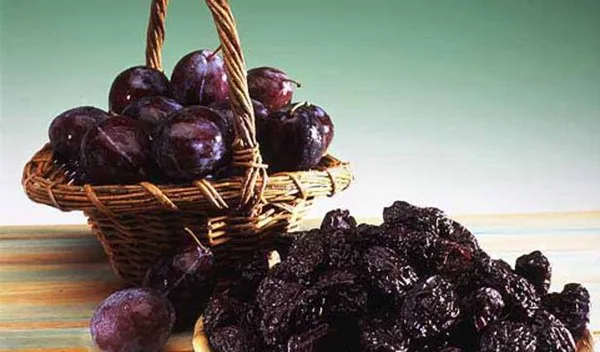
Vegetables and Dried Fruits: Dark leafy vegetables such as spinach and lettuce, as well as dried apricots, dried plums, and dried dates.
Honey and Nut Butters: Fig and especially walnut honey, as well as almond, peanut, and sesame.
Iron Absorption Boosting Food Combinations
According to Dietitian Şefika Aydın Selçuk, to achieve the highest benefit from both plant and animal sources of iron, the following points should be considered in meal planning:
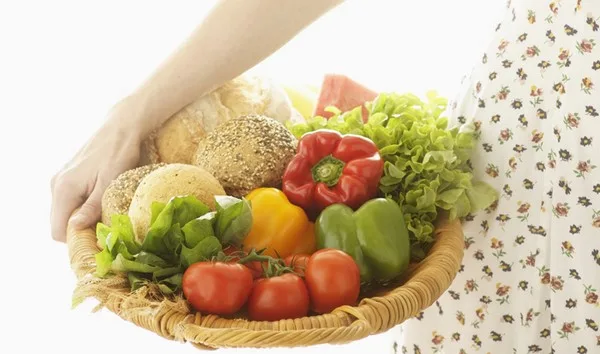
Consume with Vitamin C: Vitamin C supports iron absorption. Adding a salad with plenty of lemon-flavored greens to meals, choosing a fresh orange or grapefruit juice with eggs, or preparing a menemen with eggs, peppers, tomatoes, and onions all contribute to absorption.
Cook Spinach with Eggs: Consuming yogurt with spinach can reduce iron absorption; on the other hand, cooking spinach with eggs increases the bioavailability of iron.
Support Legumes and Grains with Meat and Salads: Preparing legume and grain dishes with meat, meat, or chicken, and serving them with plenty of parsley, lettuce, tomatoes, and lemon salad, enhances iron intake.
Consume Iron-Rich Foods in Breakfast and Snacks: 1-2 teaspoons of honey (especially walnut honey) can contribute to daily iron intake; dried apricots, plums, and dried dates can be preferred as snacks.
Pay Attention to Calcium, Tea, and Coffee Time
Selçuk states that factors that can slow down iron absorption should be separated from meal times:
Shift Dairy Products to Snacks: Consuming dairy products such as milk, yogurt, and ayran, especially in individuals with high levels of iron deficiency, helps prevent iron absorption.
Drink Tea and Coffee After Meals: Drinking tea and coffee immediately after or during meals, instead of in the evening or between meals, can be avoided to reduce the negative effects of tannins and phytates in tea on absorption.