|
This year, Ramadan's equivalent of August temperatures and long days require that fasters be very careful. The foods taken in the Sabbath and the iftar affect the health, motivation, and daily performance of the person during the fasting hours.
|
The working environment, the working style, the clothing and sleep patterns of people during the day are making the fasting process easier or difficult It is among the factors that it seems difficult to stay healthy during fasting days, but it is possible to keep a person's health protected by a few points of attention.
Prof. Dr. Birsel Kavakakak has informed us about the issues to be considered during the fasting days combined with August temperatures.
Of course, fasting is twice as difficult in these days when the summer temperatures are being well felt, and the heat-storing can cause health problems. Long-term hunger processes do not cause a serious health problem for a healthy person, but the person's metabolism is negative. For example, we can list situations that can even occur in the metabolism of a healthy person as a result of long-term hunger processes:
• The triglycerides in the blood increase,
• Blood sugar drops,
• The attention is lessened,
• Blood pressure drops or rises,
• Athletic performance decreases
• It'll be a weakness,
•
Jobs are less efficient.
During Ramadan, naps prevent blood sugar from falling
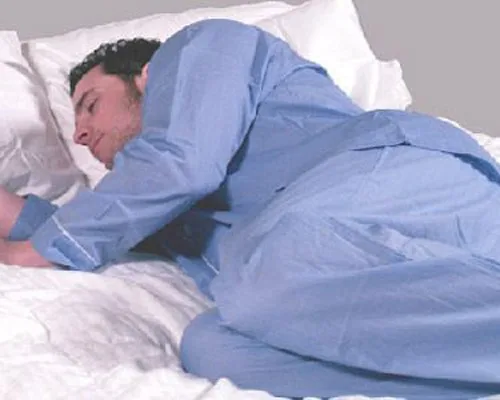
Fast It is also natural for people to feel like sleeping during the day. Because of hunger, blood sugar drops, they can be asleep. The low blood sugar can cause fatigue, even anger. It may be a precaution to place fibery foods in the sahrah to prevent blood sugar from falling. The prevention of the fall will also prevent the state of slumber during the day. Heavy, fat, spicy and spicy foods consumed in Sahur and iftar are a point to be careful that they may lose sleep. If possible, you need to rest your body and your mind with a short nap.
Chronic diseases are a barrier to the sick!
The idea of Ramadan days, without hunger and health, of course, everyone will enjoy it. Healthy adults can fast freely without any health problems. However, those with chronic disorders may have increased in this process, and they may have a lot of difficulty in fasting. Because all these diseases, which we often consider are less frequent and less drug use of food and food, or kidney disease, or epilepsy, migraine, migraine, duodenum ulcers, or cancer, are very likely to be fasting. It is the situation where fasting is therefore a health-related problem. It is therefore a problem for patients who are thinking about fasting during the day by changing their time of use of medication, and should at least consult their doctors, with doctor's permission, to perform these religious duties because such health problems may affect the condition of people who have a fasting, and even give the consequences of their treatment negatively.
Stone patients must take plenty of fluids from iftar to sahur
Stone Health problems, such as increased risk of kidney stone, can occur during the fasting period. So those who are prone to rock disease must be careful about the abundance of fluid from iftar to sahur. Pregnant people, children, hard labor or excessive labors, are fasting. It is not recommended that there is a possibility that there may be a distraction and business accidents that can result from the hunger process of hard labor.
People with reflexes shouldn't sleep right after the sahhur!
Fast During Ramadan days, food is not renewed during the day and the best sense of Ramadan spirit is taken care of. The sahur is prepared from normal breakfast and iftar, richer than dinner, so there are major changes in diet habits with Ramadan month. However, if hunger lasts all day, it is not possible to be carried on empty stomachs or hungry in the sahur. It is not right to feed extreme and unstable for the sake of eating. These are some of the biggest mistakes made in this process. The goal is to provide adequate and balanced food in Ramadan, as is always suggested. Light foods should be consumed after Sahur, usually because they lie down. Salt and oil should be avoided; fiber foods and liquid consumption should be taken care of.
This is a situation for people with reflux, especially when they are laid down after Sahur. If possible, those with reflux problems should not lie down after the shur. In the case of the feast, they should fast with a light soup, if it is to be kept, and if it is to be prayed, they should continue to eat after prayer. After the extrem, sleep can be made with the sense of tofut. If you are fasting should be completely two hours after eating. It is not right to remain motionless, and they can help you to move your blood by exercising light or walking feet.
Sleep quality returns to normal after fasting
In Ramadan, the rise of the sahhur will lead to a reduction of sleep and change of sleep patterns for employees in the first place. The change in sleep patterns allows for the rhythm of some hormones to break down, such as ACTH and Melatonin. Sleep problems arise and the problems of daily harmony are inevitable. Those who are fasting are likely to experience a problem in their daily lives. His work is a precaution to balance his sleep time
However, these problems in terms of sleep do not cause a permanent disorder, and the quality of sleep returns to normal after a while of fasting.
Take a cold shower while fasting, don't go out in the day.
When I was fasting Since it cannot be given liquid extraction, being in hot environments will increase sweat, causing the body to also lose the water that exists and to be dehydrated depending on it, which means the blood fluids will decrease and risk the group. In this regard, it is a risk for people with heart and vein disease, diabetes, hypertension complaints to fast. It is recommended that even healthy people who are extremely sunny and hot weather do not go out as often as possible. However, those who are forced to work in the open air will have to work. There may be a few measures where they wear light-colored, abundant, cotton-coated clothes, use broad-sided hats, wash their heads and faces often in cold water and those who have access to showers during the day.