
6 June 2011
Publication Date
19 November 2026
Last Updated
Dam Bottle Water Usage Precautions and Risks
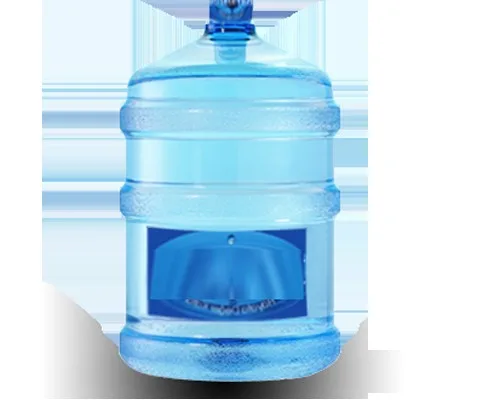
Bottle water consumption has increased, and therefore the hygiene, pump cleaning, and storage conditions of bottles are important topics. Professor Ibrahim Peker, Head of the Environmental Engineering Department at Erciyes University, evaluated the risks and safe consumption measures that can occur in bottle use.
In daily life, bottle waters that are frequently preferred can be consumed safely only if the production stage, as well as the distribution and usage habits at home, comply with standards. Professor Ibrahim Peker draws attention to the three main risk areas in bottle use.
Bottle Water Risks
1. Pump-Related Microbiological Risks: Pumps that draw air and fill water can create an environment where microorganisms can attach and multiply due to moisture and air contact. Biofilms that form in pumps can create various infections if hygiene is not ensured.
2. Bottle Material and Wear: Over time, bottles that are scratched, worn, or damaged can pose a risk of chemical transfer. Bottles that have been stored for a long time or have become deformed should be replaced when their shelf life is over.
3. Production, Filling, and Transportation Conditions: If the hygiene and temperature/light rules are not followed during the filling, storage, and shipment of natural or processed waters, the quality of the water can be negatively affected.
How to Clean and Store Pumps
According to Professor Ibrahim Peker, regular maintenance and proper storage conditions should be applied to ensure the safe use of bottles in homes and workplaces:
* Clean Pumps Regularly: Clean bottle pumps once a week with a suitable disinfectant/chlorine solution and rinse thoroughly. Replace pumps that cannot be cleaned or are worn regularly (e.g., once a year).
* Store in a Cool, Dry, and Dark Place: Do not leave bottles in direct sunlight or in hot environments; keep them away from odor-causing chemicals or substances.
* Consume Quickly: Consume open bottle waters quickly; prefer sizes suitable for family consumption instead of large volumes.
What to Look for When Buying and Receiving
* Official Permit and Label Information: Make sure that the seller and producer have the necessary permits from the relevant ministry. Check that the type of water, filling/expiration date, production address, and water quality parameters are on the packaging.
* Safety Band and Cap: Check that the bottle cap and safety band are intact and unopened.
* Proper Transportation: Pay attention to transporting waters without exposure to sunlight and high temperatures in closed and suitable vehicles; avoid transporting different types of loads (e.g., LPG cylinders) in the same vehicle.
We commemorate Professor Ibrahim Peker, who informed the public with his explanations, with respect and gratitude.