

We asked experts if a woman in the 20s and a woman in the '40s could feed the same way.
Each age has its own g&um;also, but the last study of health and health has begun to age; the last studies are taking the age of women;a is taking the feeding habits of women g&oluml;i>resisting from you;i>and d<i>to maintain their health with poor exercise and heart-friendly foods &oluml;i>and once again highlight their health.
Herbalife Nutrition’in senior director of nutrition and education; Susan Bowerman, from their 20s to their 60’and from their later age to their late age;the women are healthy and religious;and they are able to stay;and they need to practice diet and exercise form.
20 YEARS
Healthy snacks t&uum;in with lots of water;in
The research is being met by adult women between 20 and 39 years old;re is being given the benefit of their total calorie. Healthy snacks are being given a fast lifestyle of this age. So 20&rsquo is at 20’and in order to get the right habits in the future, smart diet is b&hum;mul;mmm;mmmmm;mmmmmmmmmmmmmmmmmmmmmmmmmmmmmmmmmmmmmmmmmmmmmmmmmmmmmmmmmmmmmmmmmmmmmmmmmmmmmmmmmmmmmmmmmmmmmmmmmmmmmmmmmmmmmmmmmmmmmmmmmmmmmmmmmmmmmmmmmmmmmmmmmmmmmmmmmmmmmmmmmmmmmmmmmmmmmmmmmmmmmmmmmmmmmmmmmmmmmmmmmmmmmmmmmmmmmmmmmmmmmmmmmmmmmmmmmmmmmmmmmmmmmmmmmmmmmmmmmmmmmmmmmmmmmmmmmmmmmmmmmmmmmmmmmmmmm..mmmmmmmmmmmmmmmmmmmmmmmmmmmmmmmmmmmmmmmmmmmmmmmmmmmmmmmmmmmmmmmmmmmmmmmmmmmmmmmmmmmmmmmmmmmmmmmmmmmmmmmmmmmmmmmmmmmmmmmmmmmmmmmmm
• instead of taking unnecessary calories with unhealthy foods, you can eat quickly, like walnuts, nuts, dry fruit, and you can eat useful snacks. &n&bsp;
• sufficient water to produce öouml;nösterin.The gene that forgets to forget the use of water; women can get the habit of using at least two liters of water;i<i>a lot of water to store.
& bull; Basic nutrients to take: Calcium and folic acid... bone development continues to mid-20s. Take at least 1,000 milligrams of calcium and add g&cceml to your bones. &Oml;Rind, yogurt and i&ccedl;richened s&uum; and also a good source of calcium.
30 YEARS
Watch out for the calories you're buying, fresh vegetables, fruit, and t&uluml
Women have about five times the amount of muscle loss every decade from their 30s, and their metabolism is slowing down. So with exercises, they're not very careful with their muscles; they're careful with their calorics and calorie gain. This is the age group of women who are 20&rsquo in their age, and they're not very much protecting their weight.
• Rafene carbs (white bread and floured mamulls etc) and sugary i&ccell; instead of full grain &hum; they are fresh food; and prefer water to be used.> > >> > > > > > > > > > > >> > >> > > > > > >> > > > > >; >;;;> >; >;;;>; >;;;; >;;; >;;; > >;;;;>;;;;>>>>;>> > >;;;;;;;;;;;;;;>>;;;;;;;;;;;;;;;;; Take, take the water to be of all grain, the foods..........., take, the foods., the foods., the foods., the foods., the foods., the foods.
• Kas küProvide your muscles;in add training and enough t¨keket;in add training and lower muscle loss proteins.
& bull; Basic nutrients to take: Folik acid and protein. The number of women waiting for the age of 30 is increasing. Increase your folic acid import.

40 YEARS
Tomatoes, dark leafed vegetables and g&huml; a parcell of your generation;
Menopause dönemplenance;a is edified in women's cholesterol and blood pressure levels. But with poor exercise and heart-friendly foods, these values are d<i>striving and protecting the heart.<i>
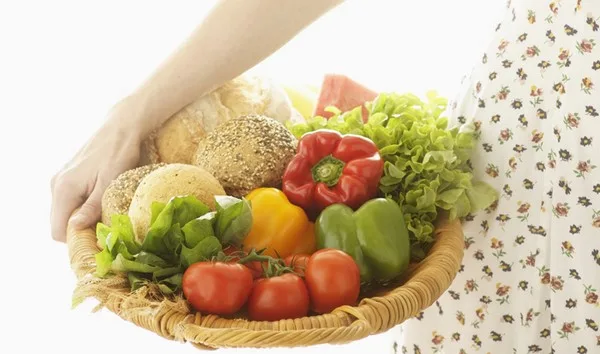
• Maintain your health by preferring dark leaf vegetables, tomatoes, other fruits and vegetables.
• Stop moving trans fats found in processed and fried foods. Keep your heart.
• Antioxidants such as A, C and E;real damage &oluml;reds &oluml;reds;reds;reds;sult;reds;or delays the damage.HÜct&oluml;as a factor that speeds aging;as a factor;as a part of the vitamin,red pepper, tour;s, forest fruits, and adoughts;like a food that is in the diet of sweet potatoes and hard-shelled nuts.
& bull; Basic nutrients to take: Vitamin D and antioxidants. Women's vitamin D tanks start to decrease when they're in their 40s. Make sure you get enough vitamin D; vitamin D is v&multrient and it increases calcium abstimation of your body.

50 YEARS
More ç take some more fibery foods and keep your heart with fatty fish
The risk of heart disease is increasing in women (NHLBI) after age 55. The fibers help control cholesterol d&huml; s&huml; s&squo;s&squo;s</i>s>s<i>S>S>S>S>S>S&S&Squo;ne (NHLBI);re is increasing in women's heart disease.
• More t<i>Set more fiber foods.</i>
• Omega-3 fat acid imports yüxeltin. Eikosapentaenoic acid (EPA) and dokosahexaenic acid (DHA) are available to you with fatty fish such as salmon. This acid is also in the walnut and öuml;lm¨lm¨lm¨ImüImlüh in the linen seed is found at an alpha linolenic acid (ALA). This acid is a colloxolololum dulmated to be a helper.
& bull; Basic nutrients to take: Omega-3s and B12. Çresults, 50 &huml;women over the age of 50;y<i>B12 vitamin from nutrients taken from us at 10 to 30 is reduced. The B12 supplements are therefore important.
60 YEARS AND LATER
Socialize, share your food, don't stay still.
The slowdown metabolism, the change in taste and other differences in the 60s and later lack of appetites is becoming a problem.
• Try to eat equal foods different and ç while focusing on good nutrition. ;
• Try different flavors by sharing your meals with your friends and also by sharing your portions.<i>
• Keep moving. Keep moving. Keep in mind that your wish is to remove the taste of life. &ccellable more out with your spouse or close friends. Whatever you do, stick to a routine of regular exercise. >
& Bull; basic nutrients to be taken:Tüm nutrient ögems and probiotics… our age has improved; change in our digestive system is happening. Our useful bacteria decrease and our thin intestines can't add the absorbment of nutrients as well as they used to. Increase useful bacteria development; add probiotic foods to your diet; and put phypone like cabbage and yogurt good bacteria like i&ccelinol; &ccelum &ccel; Boltium; &nolphenol.