

|
Are you a shopping addict? | |||
|
Today, consumption madness has become a reality, as you say in your book. How can you explain the psychological reasons that move people to shop all the time?
We value the tools that culture and dominant powers offer us to continue to be part of society, the consumption expected of people in all Western or eastern societies, and it's okay to buy things.
So basically, what we're all going to do is we're going to have to do a lot of things that are going to make us all go into shopping and to be more conventional, and we're going to have to do a lot of things that are different from animals, and we're going to have to do a lot of things that are expected of us, so we don't always have to pay for every demand for consumption that we're expected of them.
Is the fact that shopping malls exist in almost every neighborhood, that stores are sold by fast music to ensure consumers make quick decisions, and that the discount campaigns on endless discounts are a factor in this situation?
During my examinations, I began to realize that a considerable portion of my advisors who have come in with a complaint of depression or anxiety disorder mentioned shopping at some point in the interview.
Shopping was sometimes an example of how much they didn't enjoy life, and some of them were opening up to me when they started feeling safe after a few meetings.
Of course, since I'm a little too shopper myself, I might have listened a little bit selectively, and I've been talking shop in half of my own practice, and I've been thinking about shopping.
I started asking more about these things in my exams after I started writing my book, and you know, if some issues aren't asked, it's never known. I'd say that my clients who are obsessed with shopping or addictive advice have about 10% of all my advisors.
The endless shoppingaholicism inside of us How can we contain it?
Growing up means not filling the urges quickly, but we can express our desires. If you are children living in an adult body, perhaps you should first have to do with a process of psychotherapy, but if some are acting like adults, the solution is easier to do if the shopping is to be a child.
First, you need to see the negative consequences of shopping, then you need to see what psychological needs the exchange meets. Seeing negative consequences already limits us a little. On the other hand, psychological needs can be overcome by individual effort or psychological support. I have tried to include many practical examples in my book that can be used to limit the desire to shop.
We can actually see that consumption is in every aspect of life, especially relationships, how can you explain our consumption situation as a Psychaatrist, in every aspect of life?
Those who have always had their desires satisfied, have not experienced disappointment, have lived unstoppable lives, and are not happy with what they have consumed, as they have been scattered in the face of adversity, because the feeling of satisfaction and happiness is the result of the effort.
Life is becoming more ordinary for these people, they're not excited, they're bored, they're trying to consume more to express these negative feelings, but that's not enough.
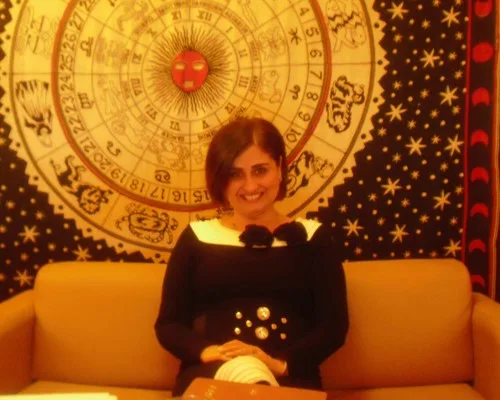
The egocentric structures are the best example of this, and with the effects of world wars being lost and the easy access to resources, societies are self-centered. Thank you, family of thecom family, to Dr. Peace Leading Psychologist, Dr. Peacemaker, who has been enlightening us with his valuable explanations.
Attention: All rights reserved. Unlicensed and unsubstantiated, unusable. |