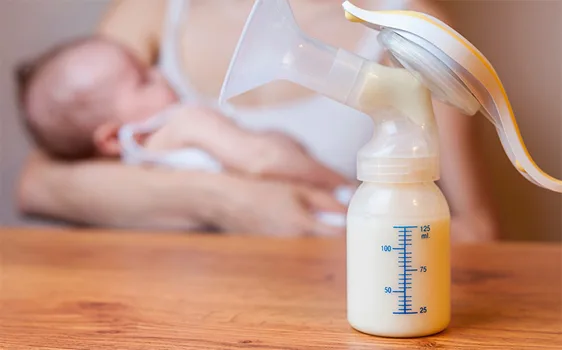


Breast milk is the most nutritious food for your baby, providing the essential nutrients for brain development and nerve system growth. Studies have shown that breastfed babies tend to perform better in intelligence tests as they grow up. Research also indicates that breastfeeding reduces the risk of certain illnesses in your baby and strengthens their immune system.
If you are unable to feed your baby with breast milk, you can also feed them with breast milk that you have previously pumped out. You can feed your baby with the pumped breast milk when needed. You can pump your breasts by hand, with a battery-powered pump, or with an electric pump.

1. When is Breast Milk Pumping Recommended?
-
Reasons for Breast Milk Pumping
There are many reasons why a mother may need to pump her breast milk.
The following situations require pumping breast milk:
- To feed a sick or premature baby
- When a mother and baby are separated due to medical or non-medical reasons
- To reduce breast fullness
- When a mother's milk ducts are blocked or clogged
- When a mother has inverted nipples
- When a mother has painful inflammation in her breasts (mastitis)
- When a mother is returning to work or needs to spend time away from her baby

2. What are the Best Techniques for Pumping Breast Milk?
Hand Pumping: Hand pumping is a good option for mothers who want to express a small amount of milk or soften their nipples.
Electric Pump Pumping: If your baby is premature and unable to latch on for long periods, you will need to use a hospital-grade pump.
The following are the steps for using an electric pump:
- Make sure the flange size is appropriate for your nipple. If the flange fits comfortably in your nipple without any pinching, it is the right size.
- Place the flange over your nipple, with your nipple centered on the flange.
- Start with a low suction level and gradually increase it to a comfortable level.
- Pump until you have expressed the desired amount of milk.
- If you are using one pump, switch to the other breast. You can pump each breast for a few minutes before switching.
- After pumping, gently massage your breasts to help release any remaining milk.
Manual Breast Pump Pumping: If you need to pump occasionally, you can use a manual breast pump.
Manual breast pumps typically consist of a breast shield and a collection cup.
The following are the steps for using a manual breast pump:
- Make sure the breast shield is the right size for your nipple. If the breast shield fits comfortably in your nipple without any pinching, it is the right size.
- Place the breast shield over your nipple, with your nipple centered on the shield.
- Squeeze the pump handle gently and rhythmically to express milk. You will feel the milk coming out as you squeeze.
- When the milk flow slows down, gently massage your breasts to help stimulate milk flow.
- Pump until you have expressed the desired amount of milk.

3. What to Consider Before Pumping Breast Milk?
Preparation and Cleaning:
- Always wash your hands thoroughly before pumping.
- Clean your breasts with warm water and a soft cloth once a day.
- Clean the pump parts with warm soapy water after each use.
- Consult your doctor if you are sick and need to take medication.
4. How to Pump Breast Milk by Hand?
Breast Milk Pumping by Hand:
- Wash your hands thoroughly with warm water and soap.
- Gently cleanse your nipples with warm water and a soft cloth.
- Place your thumb on the top of your breast, between the nipple and the areola. Place your index and middle fingers on the underside of your breast, just below the nipple. This will create a seal that allows the milk to flow out.
- Squeeze your breast gently from side to side to express the milk.
- Continue pumping until you have expressed the desired amount of milk.
Breast Milk Pumping with a Pump:
Pumping with a Breast Pump:
Make sure the breast shield fits properly over your nipple.
Place the breast shield over your nipple, with your nipple centered on the shield.
Start with a low suction level and gradually increase it to a comfortable level.
Pump until you have expressed the desired amount of milk.