BREAST MILK

What Diseases Are Protected From Breast - Feeding Mothers?

The five benefits of breastfeeding are for the mother...

Mothers Feeding Healthier
2 October 2012
Publication Date
2 October 2012
Last Updated

What Diseases Are Protected From Breast - Feeding Mothers?

¨ImageAlt10094¨

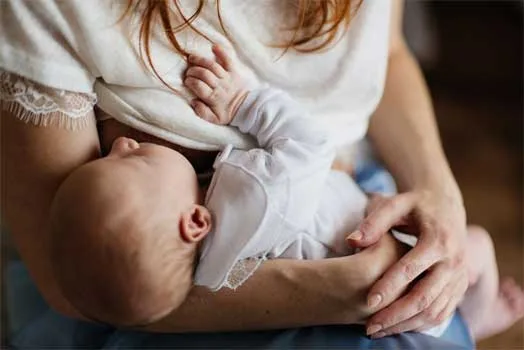
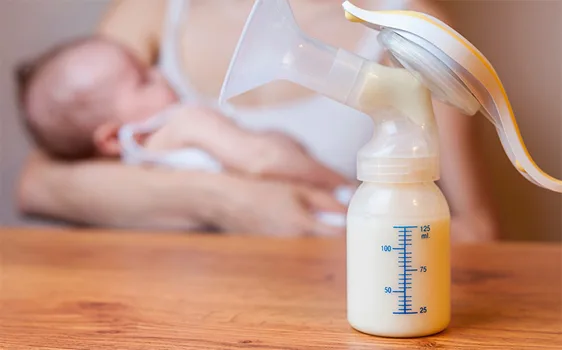
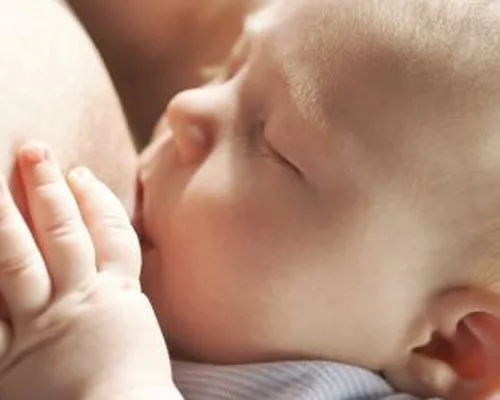
The breast milk is the most important life source for the baby. The baby feeds and strengthens the immune system. But these months, when the baby needs most support, are also very important for the mother, because there are many changes in her body. The growing breasts, the growing weight, or the changing psychology of the mother sometimes give her a hard time.


Assoc. Prof. Dr. Hüsni Görgen, an obstetrician and obstetrician, said that mothers can contribute positively to their health both in the short period of childbirth and in the years ahead.


Here are the Positive Effects of Breastfeeding on Mother Health


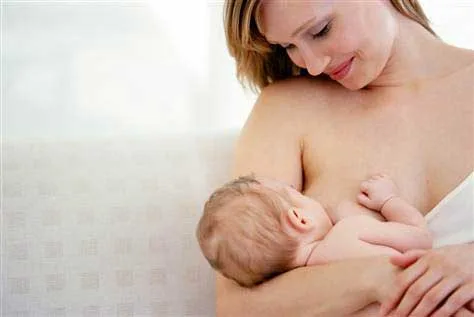
The breastfeeding is not for the sake of the baby, but also for the mother. Risk of illness It has many benefits for the mother from lowering to accelerating the postpartum recovery process.


Mother's Milk For the Baby The Most Important Source of Life


The baby feeds on breast milk and strengthens the immune system, but the baby's most likely to be supported. These months are important to the mother, too, because in this period, there are many changes in her body. Or the changing psychology of the mother gives her a hard time from time to time, but the most comfortable way to get through this is by breastfeeding again.


1- Breastfeeding, your mother's psychological It Helps to Relax As a Comforter


The first six months for healthy infant development are recommended only breast milk, which is immediately after birth and often ♪ breastfeeding is milking ♪ It makes it easier for your mother to breastfeed the baby and the mother to adopt the baby, and it makes it easier for the baby to gain a healthy personality.


2- Breasts, Eggs, Breasts It reduces cancer and osteoporosis


Breastfeeding, woman's titty It reduces the risk of cancer to a large degree, low estrogen levels in breastfeeding and some molecular changes in breast cells during milk production, which are the cells against cancer development. It makes it more resistant, and breastfeeding also prevents the formation of ovarian cancer.


Studies have shown that women who had given birth before they were 30 years old and breast-fed for a year or more have a marked decline in the risk of getting ovarian cancer, as well as the prevalence of osteoporosis in breast-feeding mothers.


3 - Breastfeeding, After the Birth Speeds Up the Recovery Process


The most obvious benefits of breastfeeding Another is the way she regulates her uterus contractions, which releases body oxytocin with breast implants, which causes the oxytocin secretion to contract by reaching the uterus with the bloodstream, which causes the birthing process. Your mother's bleeding. decreaseDuring contractions, you feel a pain similar to menstrual pain, and as the breast-feeding mothers bleed less, it's less likely that long periods of inability, palpitation, and rapid fatigue are less likely.


4-Mom,  Embezzling Conceived Weights


Most of the energy in breast-feeding milk is provided for by breast-feeding mothers, a healthy mother, averages 700 to 800 ml of milk per day. It secretes. In addition to the calorie need, they need to gain an average of 750 calories, which is covered by 500 calories of what your mother eats, while 250 calories of fat is covered by fat stored in the womb, causing the extra weight gained by nursing mothers during pregnancy.


5- A Woman Who Suctions Regularly Ten Weeks of Pregnancy Protected


After childbirth, the first sexual intercourse is dependent on the physical and psychological condition of the mother, usually sexual intercourse can be made six weeks after birth, and the fear of getting pregnant in couples, especially in developing relationships. In the countries, breastfeeding is important in preventing pregnancy, but this effect is the mother's feeding situation, breast feeding frequency, and the baby's. It depends on other factors, such as supplements.


In cases like six months after birth or mother's menstrual cycle, full protection is valid for 10 weeks in a woman who is constantly breastfeeding, while women who never breastfeed or breast-feed should begin to practice their third-week protection methods.