

RSV Virus: 0-2 Years Influence Babies | |||||
RSV, the head of the Bronchiolite and Pneumonia case!
RSV, responsible for most of the cases of bronchiolitis and pneumonia during the baby's childhood, affects babies between the ages of 0 and 2 in particular. Children's Health and Diseases Expert Dr. Namik Kemal Akpınar says that 50-70 percent of babies are one year old and 95 percent infected by RSV by the age of two.
Despite the recent years of blood antibodying against RSV, the infection can be repeated. Dr. Akpınar says that despite the protective antibodies passed through the newborn, severe infections could be seen, saying that RSVN is responsible for 45-75 percent of all bronchiolitis committed to the hospital, 15-25 per cent of pneumonia.
In some cases, he can threaten life
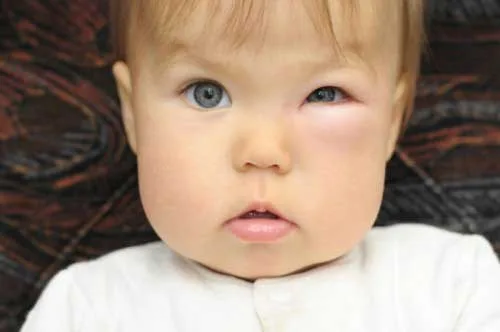
In about 40 percent of the children he infected, the violence of the RSV infection, which has been a disease in their lower respiratory tracts for two to six days, is changing to the serious disease that threatens life slightly. The virus, which is transmitted through the eyes and nose and is rapidly multiplying, shows symptoms of rapid flow and congestion, difficulty in breathing, redness in the eyes, a slight fever-shaped upper respiratory disease.
Low Weighted Babies Under Risk
The symptoms are especially common in low-weight babies, Dr. Akpınar says, from mild complaints to heavy systemic findings that require monitoring at home. Despite the weight of the disease, the fever is not too high, and especially in high-risk groups and especially in prematures, it can be 10 or 35% of sleep apnea that makes the family more nervous.
RSV Virus Spreads 3 to 8 Days
Dr. Akpınar, who says the infection was caused by direct or nose secretion, says it was rarely seen by drops, adding that the virus could live for 30 minutes in hands, and on some environmental surfaces, Dr. Akpınar, who has more effective access to the eye or nose mucosa, says the spread of RSVN took three to eight days.
How RSV Virus Spreads, Who Is Risked More?
Attention, Baby Babys Who Don't Get Mother Milk!
In cases such as breast milk, low levels of mother-to-mother antibodies, winter months (especially dependent on public living), daily care shortages, low socio-care, low-satisfaction, public living conditions, smoking smoke, family asthma and allergies, the disease is getting worse.
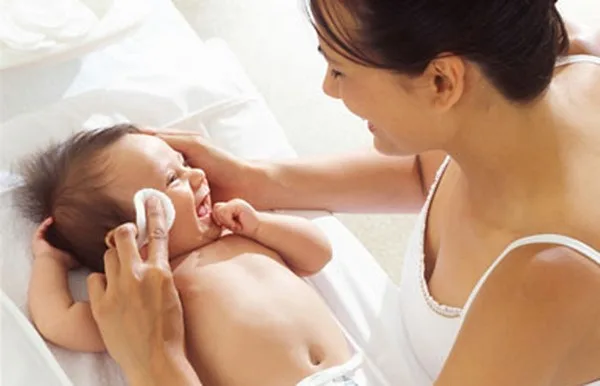
Nose Cleaning Comforts Baby
You're in a high-risk group of patients with respiratory distress. The patient group, which is showing a growing minute-left breather and malnourished diet, needs to be monitored at the hospital. He uses the expression that the line and fluid support can be applied if the water is moistened, oxygen and the bronchoditator (the bronchiator) is needed. Wash Your Hands Often
tvmsnbc |