
When Should Head Impacts Be Serious? Ç Signs That Should Be Noticed in Head Trauma
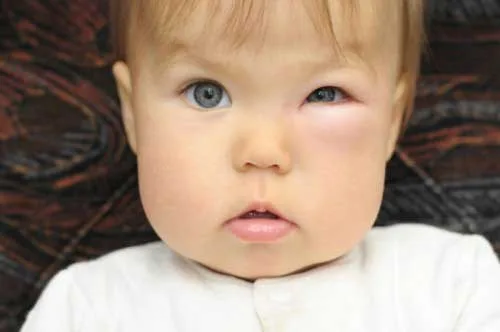
Ç children can cause anxiety in parents during the game, from their bed or from their food chair, or from their head, or from a sharp object ç the arcpm can cause concern in their parents. Ç the child's health and disease specialist Dr. T. Alper Yilmaz, ç gave information on what symptoms after head strokes &oluml;and the emergency needs to be done and the immediate minimum;he gave information on the situation.

- Ç Head Trauma in Children: What Should Parents Watch and When Should They Ask for Help?
Çchildhood döneml;information;increase and çintensible head injuries often include head injuries;results in schools and home environments. &Oml;in particular, the first of the infants can be placed between bed, cradle, or food chairs; in the middle of the head traumas; in the children; in the case of play parks, in school and home.
Although not every head çarm means serious injury, some symptoms may require a closer assessment of head trauma. The health ministry's çformal health guide also includes the loss, nöbet, gömoleml, numbness, nose or ear, and repeated symptoms that require urgent evaluations of head injuries.
- Why Should the Head Impacts in Babies Be Considered More Carefully?
ÖEspecially from the age of 2;&ccemdil;<k ç head traumas in children need to be more careful to assess. Babies are unable to express pain or discomfort; the close monitoring of behavior changes after head ça.
The fontanel bö, commonly known as the Bingal, is one of the things parents often worry about. The growth is not as vulnerable as it seems; however, this does not mean that a serious blow taken by the baby should not be affected. The impact is violent, d&um; the way it works and the &ccellable; the symptoms that it is shown after the child should be considered together.
What Signs After Head Impacts Emergency?
Ç after the child's head çsome symptoms are revealed çIf he removes them, he needs urgent medical evaluation rather than gösymption at home.
Öprivately, the following symptoms should be noted:
- Know/ccedil; loss or recognition; blur
- What's the matter?
- Repeating vomiting
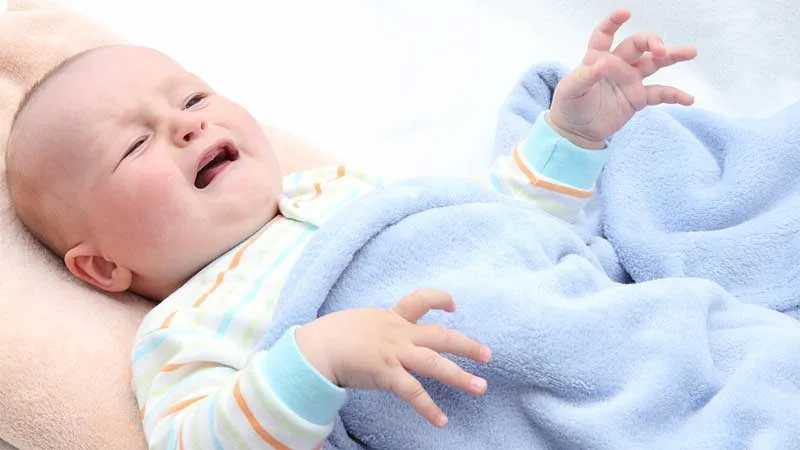
- The obvious state of sleep, the wake-up call, the extreme or the unusual discomfort.
- Gömemiats or göDefense in the moves
- Y<i>I'm not sure if I'm unstable or unstable.
- Change in speech
- V¨ on the one side of the tree g<jced;s<i>Subj;i>Subject/e<i>Str/e/e//e//e//e/////e/////////////////////////////////////////////////////////////////////////////////////////////////////////////////////////////////////////////////////////////////////////////////////////////////////////////////////////////////////////////////////////////////////////////////////////////////////////////////////////////////////////////////////////////////////////////////////////////////////////////////////////////////////////////////////////
- Severe or increasing headache
- Clear fluid or blood coming from the nose or ear
- Göz baby's g&oum;r<i>m<i>Several difference in the baby's g<i>
- Aç a broken wound or serious bleeding

The symptoms of post-traumatic trauma include recurring vomiting and conjecture; changes &oluml;means of change &oluml;imally &oluml;formatively.NICE's head trauma guide includes post-traumatic findings, vomiting, permanent headache and skull fractures, and s&ûuml;i.e.
& Ccedil; What Should Be done if After the Strike Loses His Mind?
Ç Son d&um;former or çformer after the arc;know that if it is found on the ground without you, it is necessary not to be moved and emergency assistance;rescue &ocutive; Ç &sul;nq&um;nq<also cervic to head trauma.
The Health Ministry's ç the child's health guide says that the injured person on the floor should not be moved until the emergency team arrives.
Ç a child must be checked for breathing; but a ç with a possible neck or spinal injury should not be removed or lifted unnecessarily or re-supply; it must not be removed.
- A Mourning Ö after Head Impact - An Indulgence?
Puke after head trauma may be vomited. But if it is pressing, you know, recurrence, change, sleep orientation, nö, or other non-nouml;cceml, it needs urgent evaluation.
So it is important that parents do not decide just by looking at the child's condition in the first minutes. Some symptoms can occur not immediately after the trauma, but later on in the hours.
- Ç in Head Trauma; Child's Risk Not the same
ç the age of the child, how the blow is added, is essential; d<i>Subj;i>The height, which is the head;i>which is the head that carries the symptoms ç/i> after the trauma.
Öespecially from the age of 2;<i>The children may be among the groups that need to be evaluated more carefully.
So “S<St<i>But now that you're well, you shouldn't be able to ignore the symptoms that might be <i>be followed.
Aç What Should Be Done if There Is A scar?
Aç after the head injury; if there is a severe wound and bleeding, a clean gauze or clean cloth will ¨ above it light and controlled; pressç available; but a skull fracture s¨ if there is a doubt, if there is a serious injury or uncontrollable bleeding, the health organization must help.
Ç if the child's general condition is deteriorating or there are any emergency warning signs mentioned above, you must not waste time at home.
Gör&hum;n<i>Every ÇCan You Do It to the boy?
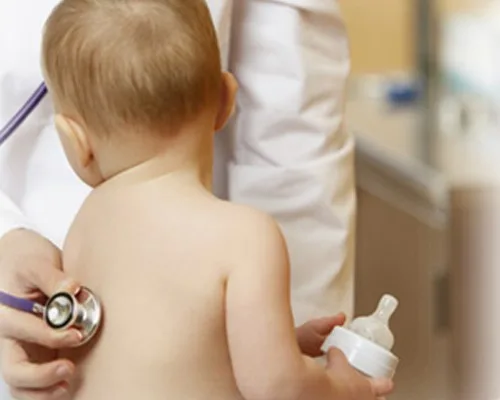
Head trauma is required to automatically be released to every ç to the child, not to the CT or MR ç to the child. &oluml;to the hospital, how to use the trauma is &ccell;to the correct &ccell;and the child is examined. The physician decides whether to examine and assess the examination and risk assessment.
Health Ministry sources also say that in emergency situations such as rönt;ntörünuml;ntmul;nönöres can be used to the nature of the trauma. çformal in those are necessary &oluml;responsive g&oluml;röröröl¨remults are used to prevent traumas from being performed.&n&bsp;here but not to be used. &cced;here;here;and in those are necessary &oluml;formal injuries;res;res;res:res:res:res:
& Ccedil; How Can We Protect Children From Head Trauma?
A total head trauma can reduce the risk of injury, even if you are not.
If the baby cannot stand up by himself, the ulteriority of the bed and the use of the appropriate barriers are &oluml;reviewable. Çthe size of the bed and &ccelt;review of the conditions of the environment when the child begins to rise and move. &ccelt;i>The g<i>The g<i>The size of the bed and the conditions of the universe must be evaluated.
The house is in the iç
- ç in windows; child lock should be used,
- ç to balcony and stairs; children must be restricted to access,
- Üable furniture must be fixed,
- The sharpest of furniture needs to be used in proper motions;
- Ç children should not be left alone in the air;
- The playing field must be checked in style.
- ç, which is beginning to move in style;a house in children, is a household g&jumdile;a child's development d<a child's development d<a>a re-enchantment &o<a>affecting &o<a>a child's growth.
ÖNeedy Point: Ç Watching the child closely
Ç the children's heads çarpillas do not always mean that there is a serious injury. However, some head traumas may not be significant at the beginning. Therefore, changes in the child's behavior or physical state should be carefully followed.
You need urgent medical evaluations in symptoms of loss, repeated vomiting, perpetuating sleep, or loss, or a lack of fluid from the nose or the ear.
ÖNeml;Neml: This information is general information but is not common information. Head trauma is gç a ç that contains head trauma; in the child should be evaluated if there is any information about the nature of the symptoms or the nature of trauma.