
Infants can also get colds. This is usually not a serious issue, but it can be very stressful for parents. Therefore, it is important to know what to do and how to respond when your baby gets sick. If your baby is less than 3 months old and shows signs of a cold, such as a runny nose or fever, see a doctor immediately.
It takes time for your baby's immune system to develop. If your baby does get a cold, it will usually go away in 10 to 14 days. Most colds are just a minor inconvenience. However, it is important to watch for any signs of complications.
 It is dangerous to overheat a baby. For the first few weeks, your baby's body cannot regulate its temperature properly. When a baby gets cold, its body temperature drops quickly, and it may shiver violently. Premature babies are especially vulnerable to this.
Dr. Cigdem Kurt, an expert in child health, provided important information to parents on this topic.

What to Do to Prevent Your Newborn from Getting Cold?
A cold is an upper respiratory infection (URI) caused by one of over 200 viruses. Rhinoviruses are the most common.
A virus enters your baby's body through the nose, mouth, or eyes.
Once a virus has entered your baby's body, it usually takes a few days for the infection to develop. However, some viruses can cause a cold to last for several weeks.
A virus can infect your baby in the following ways:
- Airborne transmission: A sick person can spread a virus through the air when they cough, sneeze, or talk.
- Direct contact: A virus can be transmitted from a sick person to your baby if they touch your baby's face, eyes, nose, or mouth.
- Contaminated surfaces: Some viruses can survive on surfaces for up to two hours. If your baby touches a contaminated surface and then touches their face, they can become infected.
How to Protect Your Baby from the Cold
Keep your baby's room at a comfortable temperature of 20 degrees Celsius. Dress your baby in layers so that they can stay warm without overheating. Avoid covering your baby too much, as this can trap heat and make them more susceptible to illness.
If your baby is less than 3 months old, it is especially important to keep them warm. Premature babies are more vulnerable to cold temperatures.
How do you know if your baby is getting cold?
Some signs that your baby is getting cold include:
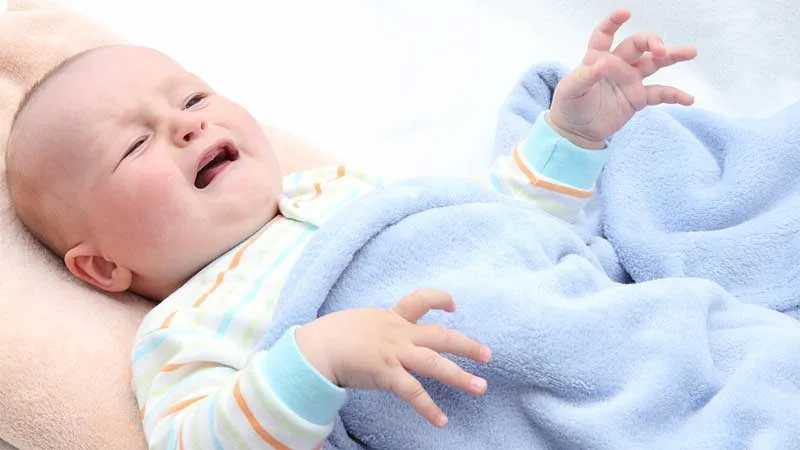
- Excessive crying and fussiness
- Cold hands and feet
- A runny nose or stuffy nose
- A cough
- Decreased appetite
- Irritability
- Difficulty sleeping
How to Prevent a Baby from Getting Cold?
Other signs and symptoms of a cold in babies may include:
- Fever
- Cough
- Runny nose
- Loss of appetite
- Irritability
- Difficulty sleeping
- Congestion in the nose, making it difficult to breathe
How to Care for a Cold Baby at Home?
How to Care for a Cold Baby at Home?
- Give plenty of fluids: Giving your baby plenty of fluids is very important. Breast milk or formula-fed babies can continue to be breastfed or formula-fed. Older babies can also drink clear fluids such as diluted apple juice or herbal tea.
- Clear a stuffy nose: If your baby has a stuffy nose, you can use a saline nasal spray to help clear it. You can also use a bulb syringe to gently suction out the mucus.
You can also try putting a humidifier in your baby's room to help moisten the air. This can help to soothe a cough and make it easier for your baby to breathe.
You can also try positioning your baby to sleep on their side to help relieve congestion.
How to Prevent a Baby from Getting a Cold?
How to Prevent a Baby from Getting a Cold?
The best way to prevent a baby from getting a cold is to practice good hygiene. Wash your hands frequently with soap and water for at least 20 seconds. If you don't have soap and water, you can use an alcohol-based hand sanitizer that contains at least 60% alcohol.
Avoid touching your face, especially your eyes, nose, and mouth.
Keep your baby away from sick people. If possible, keep your baby away from people who are sick. If you have a sick person in your home, keep them separated from your baby as much as possible.
Keep your baby's toys and pacifiers clean. Clean toys and pacifiers regularly to prevent the spread of germs.