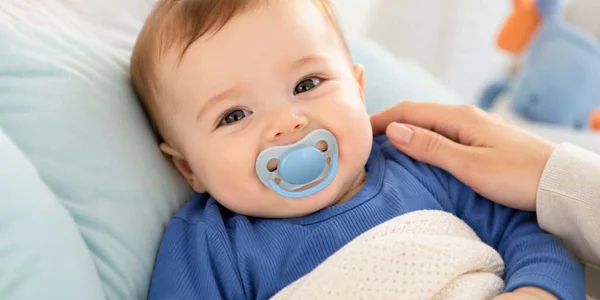

- How to choose the right bottle for babies?
Dr. Nurgül Demir, a pediatric dentist, emphasized the importance of choosing the right product and using it at the right time in relation to pacifier use in babies. Demir warned families about the risk of allergies in pacifiers containing latex.
Tips for choosing a pacifier for babies: Latex allergy and dental health warning from experts
- Why do babies suck on a pacifier?
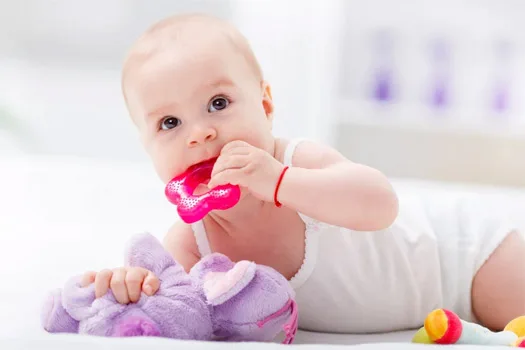
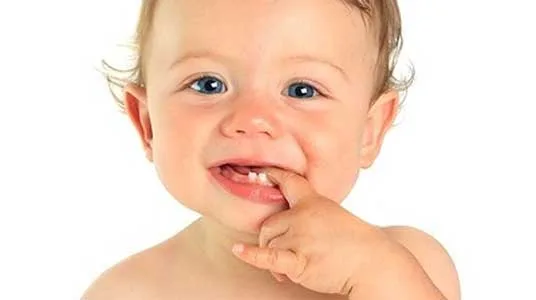
Babies may need to suck even after feeding. Therefore, some families prefer to use pacifiers instead of habits such as thumb sucking.
However, the choice of the product and the duration of use are also important when it comes to pacifiers.
#Advertising
- Is it safe to use a pacifier?
There are different products made from materials such as silicone and latex. The usage characteristics of these products may vary.
Families should check the contents, age group, and usage information provided by the manufacturer when purchasing pacifiers.
- Can latex pacifiers cause allergies?
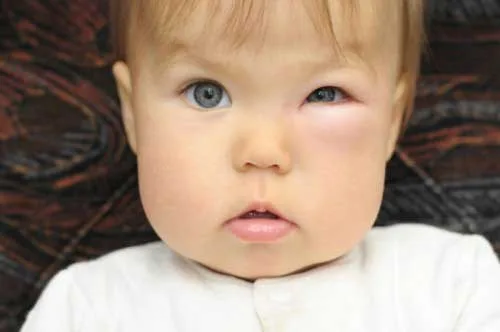
When a latex reaction develops, symptoms such as skin rashes, swelling, and breathing difficulties may occur. In more serious allergic reactions, breathing problems may also occur.
Therefore, when choosing a pacifier for babies with a history of latex allergies, it is important to prefer products that do not contain latex.
#Advertising
- What should be done when a baby has a latex allergy?
In case of serious symptoms such as breathing difficulties, it is necessary to seek immediate medical attention.
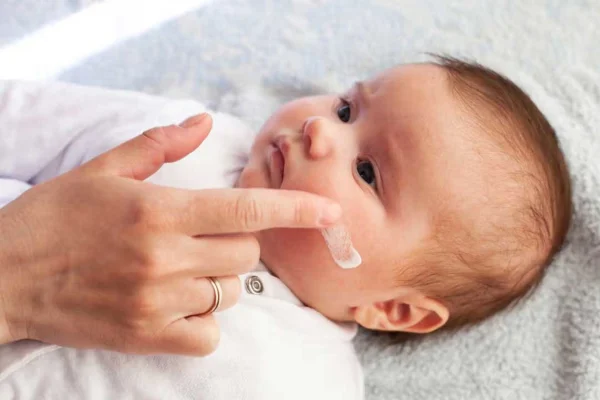
- Are latex pacifiers more prone to bacterial contamination?
However, the hygiene of pacifiers is not only related to the material used. Regular cleaning, following the care and replacement recommendations provided by the manufacturer, and not using worn or damaged pacifiers are also important for the baby's oral health.
- When should pacifiers be used?
Dr. Demir states that pacifier use should not be started before the baby gets used to breastfeeding. Especially in the period when breastfeeding is not yet established, the use of pacifiers may be associated with refusal of breast milk.
Therefore, it is recommended to wait until the baby is accustomed to breastfeeding before using a pacifier.
- Does pacifier use affect teeth and jaw development?
Dr. Demir warns that prolonged use of pacifiers can lead to problems in teeth and jaw development. Especially if the use continues for a long time, it is necessary to consider the potential effects on teeth and jaw development.
Therefore, it is important to choose and use pacifiers at the right time, in addition to choosing the right pacifier.
- What should parents pay attention to when choosing a pacifier?
- Pacifiers should be chosen that do not contain BPA.
- Pacifiers should be appropriate for the baby's age.
- Pacifiers should not contain latex if the baby has a latex allergy.
- Pacifiers should be cleaned regularly.
- Worn, torn, or damaged pacifiers should not be used.
- Pacifier use should not be prolonged unnecessarily.
- Pacifier use should not be started before the baby is accustomed to breastfeeding.
- It is recommended to consult with a pediatric dentist about the appropriate time to stop using pacifiers, especially around 18 months.
- Only focusing on the material when choosing a pacifier is not enough
Especially in cases of latex allergy or if the baby has a latex allergy history, it is important to pay more attention to the choice of pacifiers. In addition, the duration of pacifier use should also be considered, and the baby's teeth and jaw development should be evaluated by a pediatric dentist.