|
Do you know the dangers that lie ahead for your child and for him in the pools and seas that you can enjoy, how old your children must learn to swim at? What do you know about water poisoning? Be careful of the suggestions of experts as parents.
|
How Old Should We Start Swimming?
Experts say it means nothing to a child under three years of age, the teacher's development. Children can learn to stay unsinked and swim a short distance between 3 and 5 years old. Swimming is not supposed to be a competition sport. After six years of age, there is no problem in swimming more technically and starting competitions.
How Can He Avoid Drowning?
One of the most important risks for babies in the sea or in the pool is that they are at risk of drowning, so parents who want to move their babies in water should not go to places that are across their necks if they can't swim.
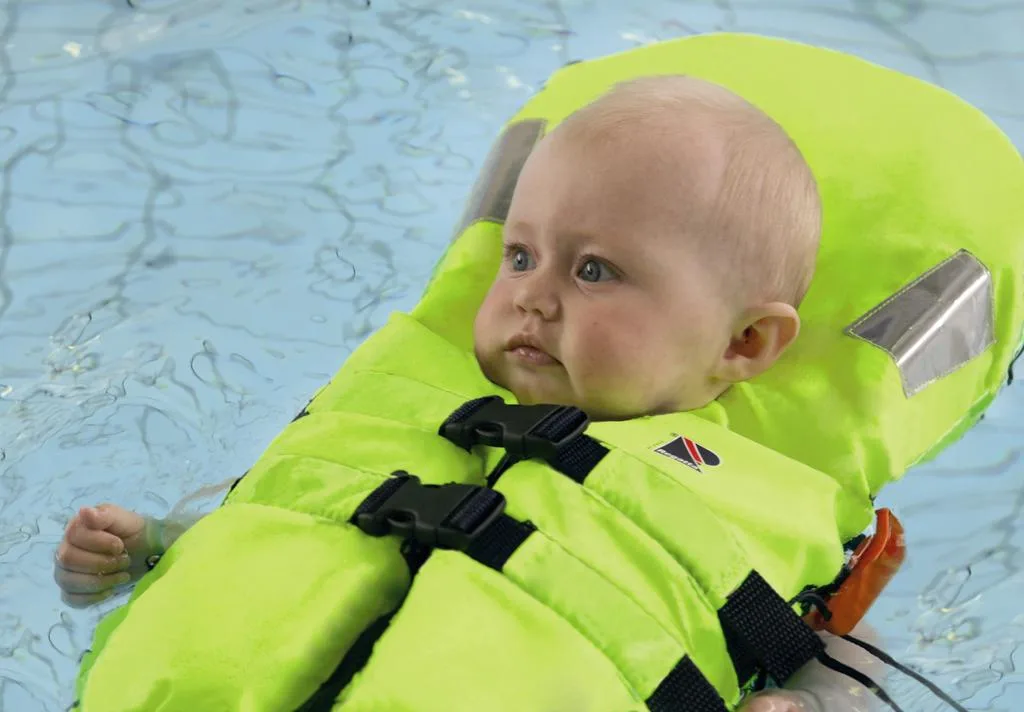
It is vital that they are not left unsupervised on the shore, playing with waves and sand, while the baby or the child playing by water and the little boy who plays by the water must be clothed in life jackets.
What Is the Risk of Water Poisoning?
Experts note that one of the most important rules for parents to follow when they put their babies in water is that their face is definitely not being stung, and babies are being swallowed by the fact that they're holding their breath underwater.
The amount of water that is swallowed is causing the blood to get watery, and the sodium levels in the watering blood are dangerously low, and this is threatening the baby's life, and parents need to be careful of what is called water poisoning.
Water poisoning, baby anxiety, weakness, nausea, tremors, mental illness, a condition that can result in a seizure, a seizure, a seizure, even a coma, and because of the lack of normal conditions in the baby's water and the fact that the symptoms were not observed and that the water was drunk, the parents often don't understand that it was water poisoning.
It also increases the risk of hypothermia in babies who are underwater for long periods of time.
What Should You Do to Not Invite Infections?
It is important to remember that sticking the baby's head under water invites some infections, especially the ear, sinus and eye infections, which are leading to the infections of infected sea waters or chlorine pool water, which can cause infections in the ears, respiratory pathways and eyes, and also the baby's long-staying in water, which can cause infections in the urinary tracts.
Danger at Sea: Jellyfish Crash
One of the dangers that awaits when you put your baby in the sea is the injuries caused by some marine creatures, and it is known that the most common marine injuries in our country are related to jellyfish.
So, when you move your baby in the water, you have to remember that every moment a jellyfish can hit it, because jellyfish can get very close to the shore, and if a jellyfish hits, babies can get very severe pain, rashes, swelling, and sometimes shock.
What You Must Do in This instance?
In that case, The best solution is to wash the area with alcohol and then put talcum powder on it. In his case, we need to get the baby to the nearest hospital immediately.
Sun To the Harmful Effects of Your Beams Shower Your Across Baby Often, Drink Plenty of Water
It is also important not to let your baby into the sea or the pool when the sun comes up steeply, especially when children under two years of age are not exposed to the sun enough to get tanned and never to be sunburned.
If there is a holiday in a very hot area, it is important to often wash the baby under the shower and drink plenty of water, and it is also useful to use protective guards that are higher than 15 minutes before the sun, and to repeat this practice every two hours.
Experts, Your parents They rate what they need to be careful of:
• One The baby must not be stung into the sea or pool until it has the ability to keep its head perfectly upright (about 4 months).
• Do not leave the water side for even a few seconds, that will suffice for the drowning.
• Fearing water And the water resistance should not be forced into the water.
• The temperature of water should be 29 to 30 degrees [29 to 30 degrees] in Arabic, while the temperature should be 2-3 degrees above that.
• The baby's watering period should be in 30-minute sessions.
• Do not be fooled by the security of life bagels, armbands, seabeds, or other swimmers, for the child's slip from bagel or bed is a momentary occurrence.
• Babies and children should be worn life jackets around water, but these measures should not be forgotten that they will not replace an uninterrupted surveillance.
• If there is frequent common common common common common common ear infection, you should keep it away from the sea and the pool.