

Weekly Baby Feeding: Monthly Food Chart and Expert Recommendations
It is essential to establish the correct feeding routine from the first few months of life for the healthy growth and development of babies.
Dr. Cuneyt Ahmet Tandoğan, a Specialist in Child Health and Diseases, emphasizes that mothers should breastfeed their babies for at least four months, and shares a sample feeding chart suitable for the baby's development period.
Feeding Chart for Babies (0 - 12 Months) by Period
0 - 2 Weeks: If the mother's milk is sufficient, the baby is only fed with breast milk; if the mother's milk is insufficient, supplementary foods can be given after feeding.
3 - 4 Weeks: Starting with a teaspoon of apple, pear, orange, or mandarin juice, the amount is gradually increased, and a cup is given each day.
30 - 45 Days: Starting with fresh yogurt with a small amount of sugar, the baby is fed as much as it can, with one meal per day.
2 Months: Starting with vegetable soups or ready-made baby vegetable soups, one meal is given per day. Half of a boiled egg is given in mashed form (after 4 days, the egg yolk is given).
3 Months and 15 Days: Adding a tablespoon of ground chicken breast (approximately 20 grams) to vegetable soup, one meal is given per day.
4 Months: Two days a week, boiled white fish or chicken liver is added to vegetable soup. The baby is given plenty of water.
5 Months: 20-30 grams of turkey breast can be added to vegetable soup (turkey white meat can be used instead). The soups should be in a puree consistency and given with a spoon. Other foods can be given in a puree consistency.
6 Months: A portion of fresh salmon, cod, sea bass, or hake, lightly mashed with a little olive oil and lemon juice, is given once a week.
7 Months: One meal of milk porridge can be given. Also, lentil soup or barley soup can be added to the diet.
8 - 12 Months: The portions of the added foods are gradually increased according to age.
Golden Rules for Baby Feeding
Priority to Breastfeeding: All mothers should breastfeed their babies for at least 6 months. If the mother's milk is sufficient, supplementary foods are given in small amounts after feeding. If the mother's milk is insufficient, supplementary foods are given to satisfy the baby.
Introducing New Foods: All foods should be introduced in small amounts and gradually increased. If the baby refuses a food, it should not be forced, and it should be tried again after a few days. If the baby still refuses, another food (e.g., fish instead of chicken) can be tried.
Fluid Intake: The baby should be given water frequently (the given water can be 3% sugar). When the baby cries, water should be offered first.
Rest Days: Once a week, the baby should not be given meat, cheese, or eggs; instead, meals, fruit juices, and vegetable soups without meat should be given.
Homemade, Nutritious Recipes for Babies
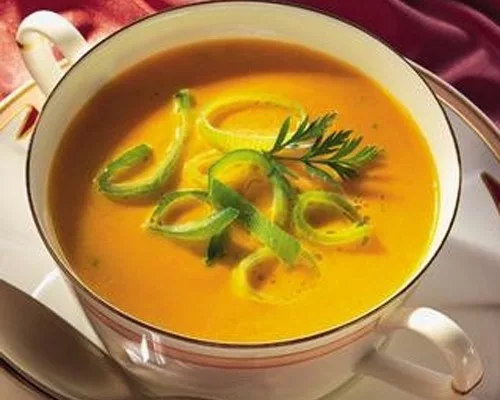
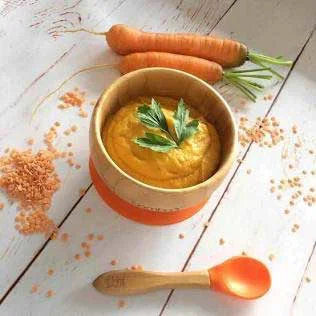
1. Baby Vegetable Soup Recipe
Ingredients: 1.5 cups of water, 1 tablespoon of diced potato, 1 medium-sized chopped carrot, a few sprigs of fresh herbs (parsley, spinach, zucchini, beans, cauliflower, tomatoes, etc.), 1 teaspoon of butter or olive oil.
Instructions: All ingredients are put in a pot and cooked. The cooked vegetables are blended or passed through a sieve to achieve a puree consistency and given to the baby. The amount of meat in the puree can be gradually increased according to the baby's growth stage. (Note: If the baby refuses the puree, ready-made baby milk-based vegetable purees can be given temporarily.)
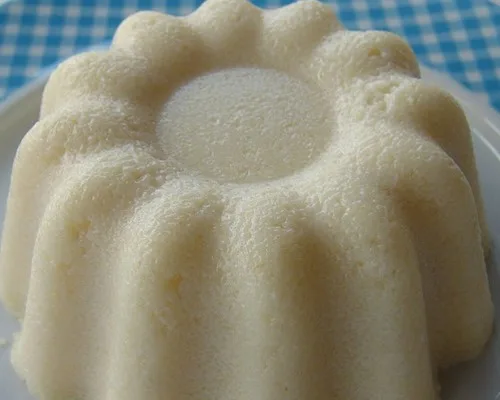
2. Milk-Based Baby Porridge Recipe
Ingredients: 1 cup of milk, 2 teaspoons of rice flour, 1 teaspoon of sugar.
Instructions:
The ingredients are cooked over low heat for 15 minutes. Allow to cool and give to the baby. (The rice flour can be pre-roasted and stored in the refrigerator for use when needed.)
Important Warning: Before introducing any new food to your baby, it is essential to consult with your pediatrician to avoid allergic reactions and ensure proper digestive development. Do not make any significant changes to your baby's diet without the approval of a doctor.
Frequently Asked Questions (FAQ)
At what age can babies start eating solid foods?
According to expert recommendations, babies can start eating solid foods at 3-4 months if the mother's milk is insufficient or there are problems with the food introduction process; however, the main process of introducing solid foods usually starts around 4 months.
How to prepare baby vegetable soup?
Vegetables such as potatoes, carrots, and fresh herbs are boiled in olive oil or butter and blended to achieve a puree consistency and given to the baby. Vegetable soup can be given to babies from 3 months, with the addition of meat or chicken broth.
When can babies eat fish?
According to Dr. Cuneyt Ahmet Tandoğan's recommendations, white fish in small amounts can be given to babies from 4 months, and the tail part of fresh fish, lightly mashed with a little olive oil and lemon juice, can be given from 6 months.