

A Child Who Smokes Vegetables and Fruit becomes Smarter | |||||
What food can the baby eat in what month?
The baby must feed on breast milk only in the first six months, starting with the earliest of the fifth month.
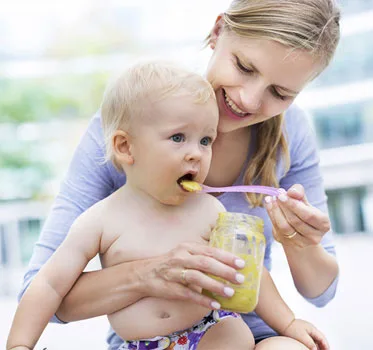
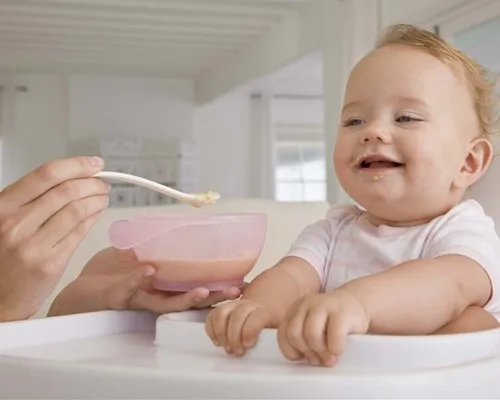
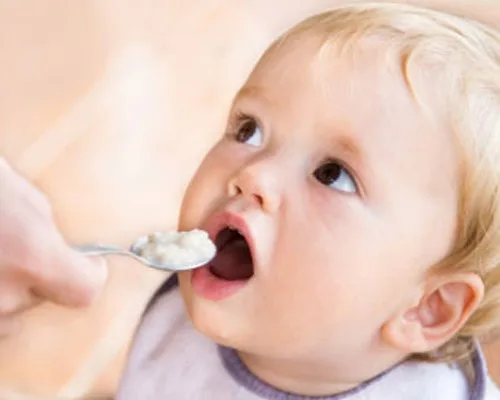
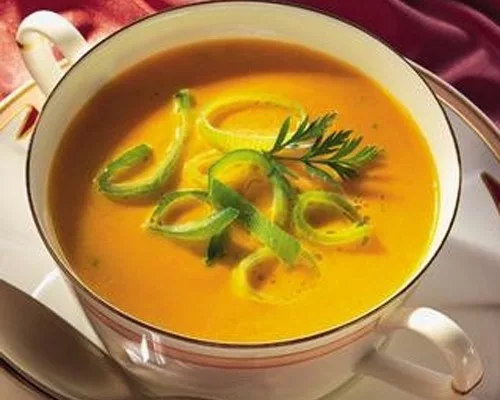
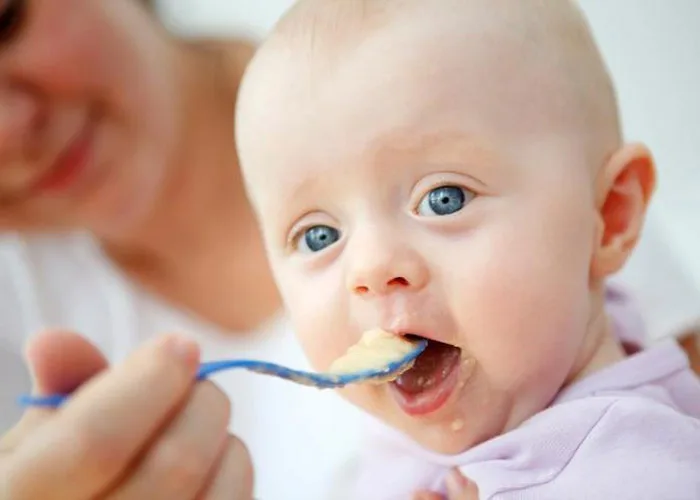
67 months: It is time to adjust the baby to the spoon. It learns to use its lips and tongue, it can consume liquid nutrients in the lump of butter. If it contains juice, yogurt, continuation food, milk, fruit or vegetables, soups containing grain, rice, vegetable soup, and 1&4 percent egg yolk, it can be added from the seventh month.
7 8 months: During this period, the baby has grown accustomed to the spoon. The chewing moves start, the drinking can be added to the diet of new flavors and structures. Foods of lumpy texture, crushed chicken, fish meat, grain raisins, biscuits, herbal oils, etc.
812 months: Baby has learned to chew. He can move his tongue around the bite. He can take small foods in his hand, take them into his mouth. He can consume foods with fine meat and vegetables, full eggs, pasteurized cheese, pasta, bread.
1218 months: In this period, the baby can now take care of itself, feed itself, consume any food that can be easily chewed. He can drink milk. From the age of 1, the child's self-eating is also important for developing self-esteem.
What suggestions can be given to mothers for healthy children?
· Adding the right foods to the baby's diet at the right time will eliminate the problems of nutrition and the lack of nutrition in the coming period.
From age ·1, your baby can eat anything. In this period, make sure that your baby consumes the necessary amount of food from four basic food groups (meat-egg-plant-plant-plant group, milk and dairy group, vegetable-fruit group, bread and grain group) to feed properly and balanced.
·Anne's milk is the best source of protein, which can be consumed in the form of menemen by cooking it with boiled eggs, omelets, and tomatoes, peppers, and the best source of proteins after the milk. Note that your child must eat 1 full egg every day.
·sut is one of the best sources of calcium. Your child must drink 12 glasses of milk per day for the production of bones and teeth, development and health.
·Stül calcium needs vitamin D to be placed in bones. Vitamin D is not possible to get from nutrients. It is synthesized only with the sun. Therefore, during these months when we find abundant sun, make sure that your child is sun is available at the appropriate hours.
· Blood is rapidly increased at this age. Since the baby's basic food is milk, iron is not enough for making blood in milk. Therefore, the child must be given foods such as iron - rich red meat, eggs, dark green leaf vegetables, and syrup.
To increase the body's usefulness of iron in the diets of the ·besins, it must be consumed with nutrients rich in vitamin C.
·C vitamins and other fruits are found in green leafed vegetables (like broccoli, fatsoth), green peppers, tomatoes, and avianburn.
·3 or 3 portions of fruit and 4-6 spoons of vegetable food per day provide daily vitamin C and sufficient pollinatories to prevent constipation and boost immune systems.
Increase the variety of foods and vegetables of different species in your child's diet, and the consumption of different kinds of foods and fruits helps to obtain different vitamins and minerals.
·Vitamins and minerals are found in the inner parts of fruit and vegetables, so if he can eat juice after one year of age instead of juice, then make him accustomed to peeling and eating very thin the bark.
·water is essential for the digestive process, for the transport of nutrients to cells, for the removal of absorption and harmful substances from the body. For each calorie, a child must take 1.5-2.0mlliters of fluid.
·1 is 100 kcals per kilo, the amount of energy children between the ages of 3 should receive per day, which will satisfy the average energy needs of 1,0001,300 calories per day, which will cover 1- 1.2 is liquid, and some of the fluids can be met with milk, juice, buttermilk, and so on.
·Normal conditions do not require taking salt from the outside. Food is already salt. Do not put salt in your baby's food until the age of one. You can prepare your meals with very little salt at the next age.
·If you want to use iodine after one year of age for your child's health development, use iodine salt.
·Omega 3 fatty acids are very important for children's brain and mental development, eye health and vision functions, and do not forget to give your child foods such as the rich fish, walnuts, fats, and the Omega 3.
·Scientific scientific publications indicate that sufficient Omega-3 pickups have positive effects in situations such as emotional imbalance, regular work disorder, attention deprivation, concentration weakness and learning disability.
When cooking for your baby, prefer the way it cooks, boiling, and baking, which is the type that melts in many vitamins and mineral water in vegetables and fruits, so don't add more than one cup of water to your food.
Using a whistled pot to cook for a baby is one of the most healthy methods.
Cook for your baby, don't heat up the food you cook for one more time.
·Salam, sausages, sausages, and delis, don't use them for your baby's feeding.
·Prefer to consume vegetables and fruits in season instead of concert.
· Don't give your children fat foods that don't have nutritional value like hamburgers or potato chips. |