
My Baby Isn't Eating Pureed Food! Effective Tips for Parents
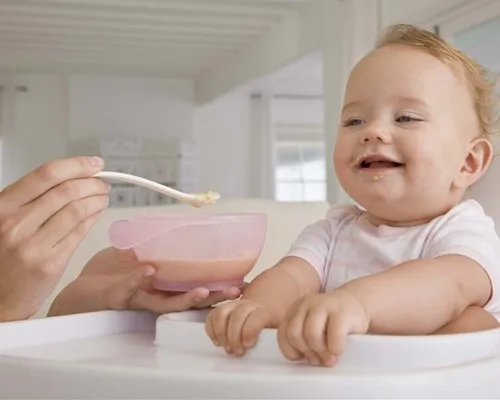
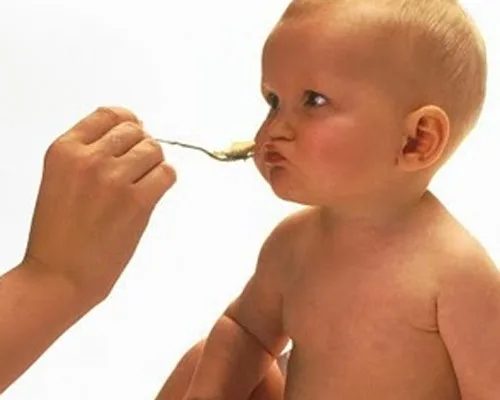
It is one of the most common feeding problems that parents face during the introduction of complementary foods. Babies usually want to continue eating the way they are used to, and they always choose the easiest option. Babies who are constantly fed with pureed foods and not encouraged to chew may eventually refuse to eat pureed foods.
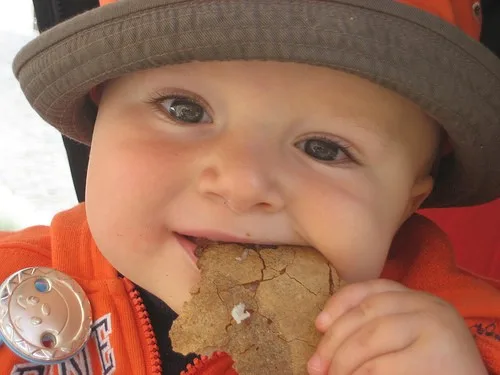
Prof. Dr. Nurettin Onur Kutlu, a Specialist in Child Health and Diseases, emphasizes that these babies, who have no medical problems, refuse pure foods due to habits. For example, a baby who can easily eat crunchy foods like crackers may spit out pureed vegetables or have difficulty swallowing, so he may vomit.
4 Golden Steps to Introduce Pureed Foods to Babies
When introducing pureed foods to your baby, it is important to maintain nutritional balance and avoid conflict. Here are the tips from an expert:
1. Offer Complementary Foods as an Alternative to Main Meals
Continue feeding your baby with pureed foods as part of their main meals. However, offer pureed foods as an alternative during the day, when your baby is hungry, and observe their reaction. If they like it, you can gradually introduce pureed foods into their main meals.
2. Start with Foods Your Baby Loves
Offer small pieces of foods that your baby likes, such as bread, biscuits, small pieces of cheese, egg yolk, or cooked potatoes. However, do not force them. You can gradually increase the amount of each food as they get used to it. (Note: To encourage them to eat grainy foods, you can also try offering very small pieces of chocolate or fruit-flavored sugar crumbs as a reward after their main meal.)
3. Allow Your Baby to Play with Food
Allow your baby to touch, squeeze, and explore food. This helps them get used to the texture and taste of food.
4. Never Force Your Baby
Do not turn mealtimes into a battle. Forcing and arguing with your baby will only make things worse. Patience and flexibility are the key to success.
Important Warning: When introducing complementary foods or dealing with feeding refusal in your baby, it is important to consult with your pediatrician for allergy risks and developmental monitoring. Do not make any sudden changes to your baby's diet without the approval of a doctor.
Frequently Asked Questions (FAQ)
Babies usually want to continue eating the way they are used to. If they are not encouraged to chew or if they are introduced to pureed foods too late, they may refuse them.
Do not force or argue with them. Start with foods they already like, and gradually introduce pureed alternatives during their snack times.
Crunchy foods like crackers are easy to chew and swallow, while pureed foods have different textures and consistencies that require a different chewing coordination. They will get used to it over time.