

How Can You Practice Drinking Water? | |||||
How Can You Practice Drinking Water?
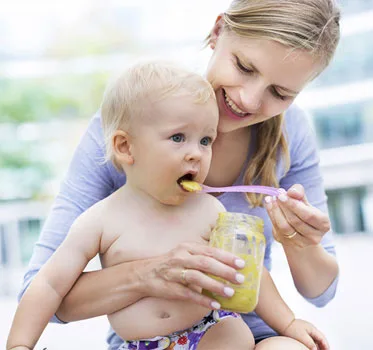
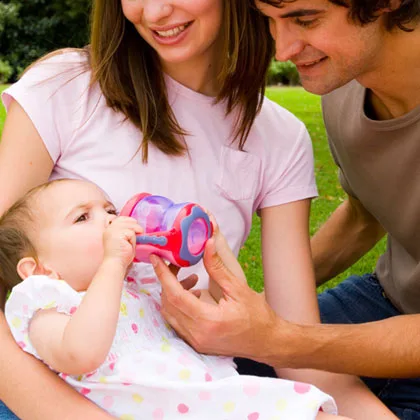
When you start extra food, you can start to get your baby to drink water with a little sugar water. When you start feeding food and supplements, the baby normally gets dehydrated.
Over Water, your child Makes her Needlessly Weightful
From four to six months to babies, with food they get The water must be given 4-6 times a day together, not given in a meal, to satisfy the child's fluid requirements. It causes him to eat unnecessarily and gain weight.
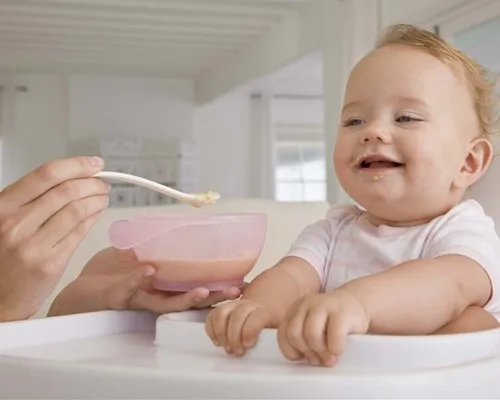
A baby of one or two years old, the mother comes down from her lap, and she starts eating her food sitting on the floor, and this is a delightful time when milk is released from her childhood, and she wants to keep the spoon herself, and she doesn't want you to hold the glass.
An addict - If You Do Not Want to Raise a Child, Watch Out!
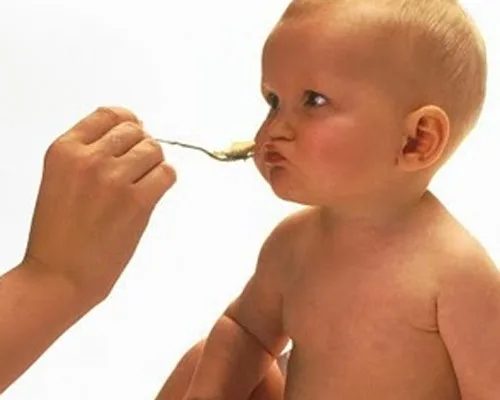
There is a conflict between the mother and the baby who does not know this freedom, that the time of food for the mother and child is a pain. Although the child is three or four years old, there are many mothers who eat him a spoon, and mothers who eat him. Such mothers often learn to do things on their own. Children who can't afford to use their own toilets when they reach the school age. These are children whose mothers are restricting their movements. |