

Your Baby Can Make Friends: A Guide to Social Development and Friendship
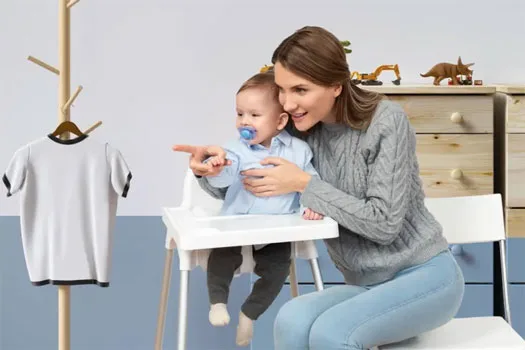
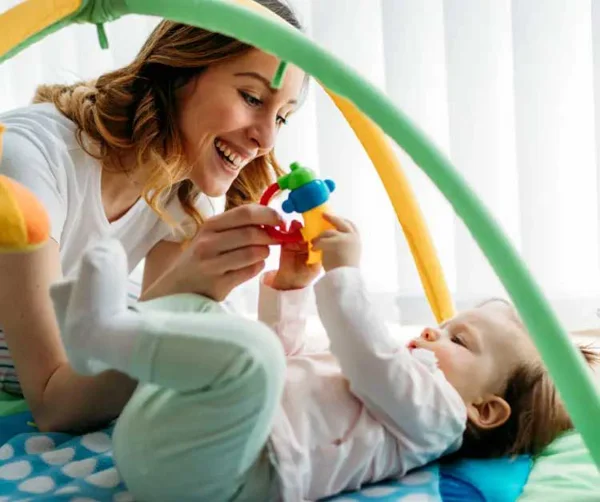
Just like older children and adults, some babies are naturally more inclined to make friends than others. Parents can also help facilitate this process. Create opportunities for your baby to interact with different people. Encourage them to interact with other family members, friends, and even visitors, as well as people they meet while playing outside or in stores.
How to Encourage Your Baby to Make Friends?
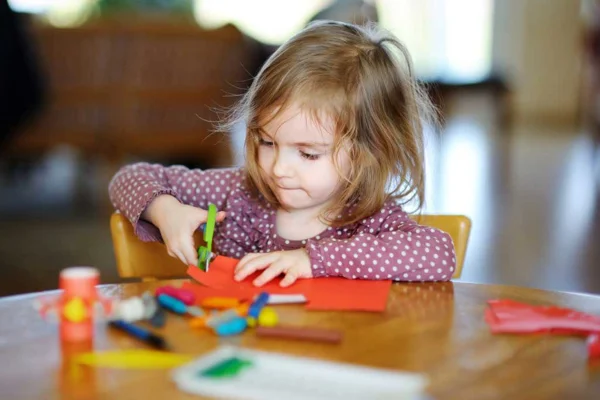
Friendship is when a child starts to communicate with other children their own age. The 3-6 year old age range is particularly important for children as they begin to express themselves. It is natural for children in the play age to make friends. The key is to help your child find a suitable environment where they can socialize. This environment is typically a play setting.
How Do Friendships Develop in Children?
Friendships typically develop as they start, especially if there are no external obstacles. However, children sometimes have disagreements and conflicts. After these conflicts, they usually return to playing together.
How Can Parents Support Social Development?
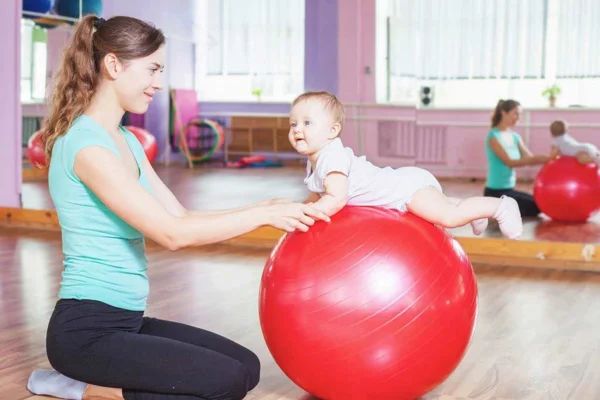
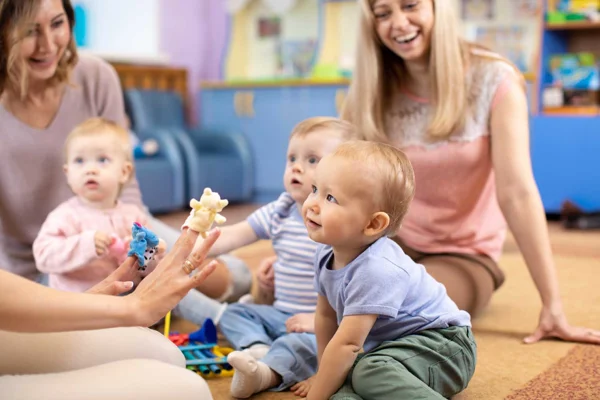
Your child will learn by observing your relationships with others. Be there for them when they meet new people. If there is a group of parents and children in your area, consider joining them. These are excellent opportunities for your baby to develop social relationships in a safe and comfortable environment. It is ideal to start with smaller, informal groups in preschools that have a large number of children and teachers in a more formal setting.
Encourage your child to learn how to play with others. However, avoid intervening unless they are in a difficult situation. It is important for your child to have time to make mistakes and learn through trial and error.
The Role of Family Communication in the Friendship Process
Warm relationships and communication within the family can help prevent negative behaviors that children may learn from their peers. When addressing problems in children's friendships, it is important to consider the family structure, communication, and relationships.
Parents should encourage their children to make new friends, to overcome any problems they may encounter, and to choose friends who are a good fit for them. Sharing and conversations between parents and children will strengthen family communication.
What Does Friendship Offer to a Child?
The importance of friendship to a child is often greater than what parents may realize. A child who is not accepted by their peers will feel sad. Being liked and appreciated by their friends is more important to them than doing well in school. It is also common for children to prefer outgoing children.
Friendship teaches children responsibility, cooperation, and self-confidence. Children learn to care for others and to understand their own preferences and dislikes.