|
|
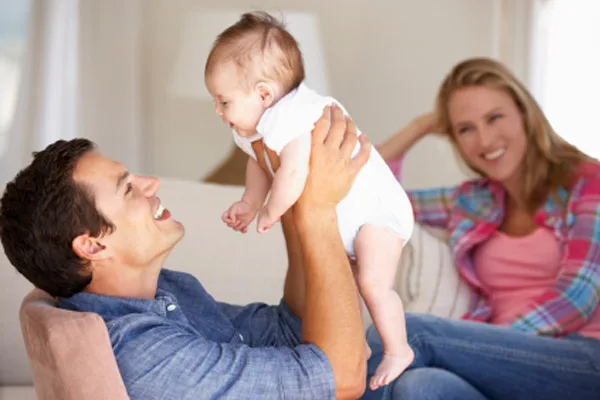
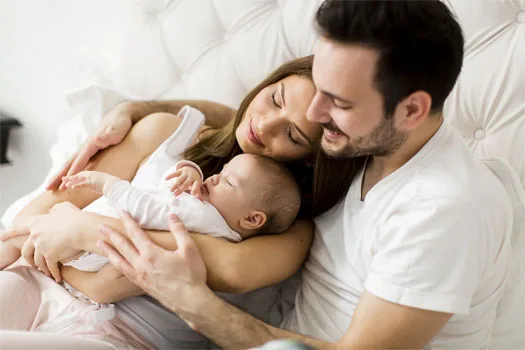
Experts say that babies' feelings for parents are two to four months after birth, and that's exactly what they're starting to say. "But what are the ways to understand this?" if you say soRead the excerpts of expert psychologist Sinem Olcay Kademoglu.
|
|
When Does Your Baby Feel That You Are the One?
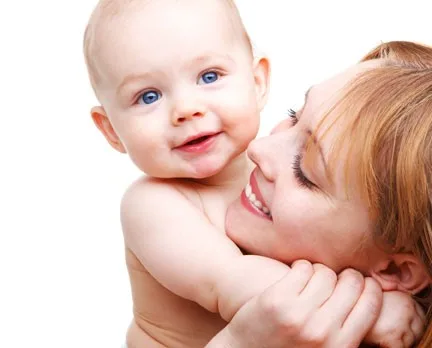
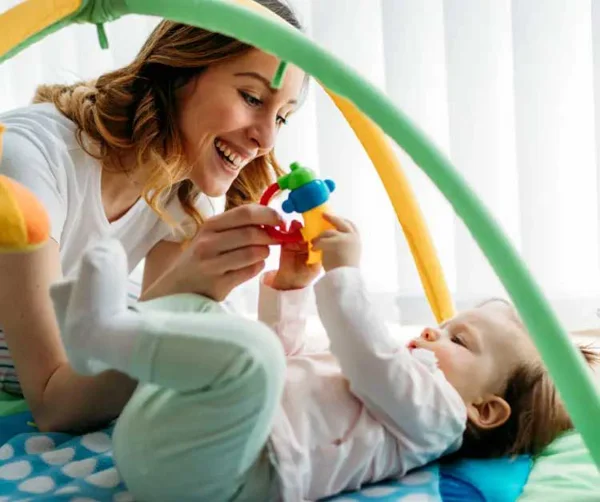
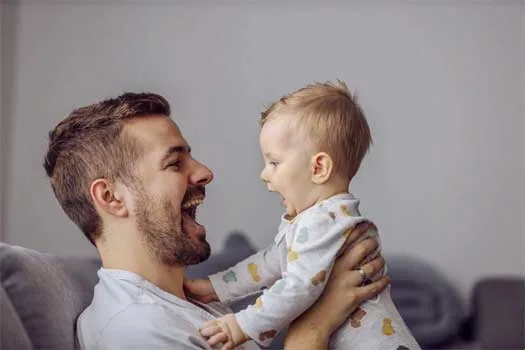
You'll know when your baby starts bonding with you, and you start getting back at him for the emotional response you're showing him. The g&jdil;i g&um;i will. When you throw your eyebrows &ccellable;he will use a confused expression as if he were mimicking the expression of concern in your eyes. Or your baby will look at it and try to imitate your mouth movement, even if he does not.
Be Close to You - Enjoy Your Life
You can try making some d<i>mame, eyebrows çmam or öp<i>like the y<i>such as y<i>such as the y<i>such as the y<i>s like the y<i>s like the y<i>i>Is the joy of your baby's starting to bond with you.<i>I>Is the joy of your baby's being near you.
Your baby takes to Tell You Her Love by Her Actions
The first lovely gauntlet of your baby in the morning is the way he starts shaking his hands, his arms, his feelings of love for you when he hears your voice.
In the first months, your baby will recognize your eyes, your mouth, your nose, your nose, as separate parsccells; and if you say hello to your baby every morning when you're 4 months, then he can re-acquaint you with the rhythm of these sounds.

Ç children Some of these are the following:
• He answers with his mind.
It starts interaction using loving glances and g¨l<i>tr>tr>tr>tr>tr>tr>tr>tr>tr>tr>tr>tr>tr>tr>tr>tr>tr>tr>tr>tr>tr>tr>tr>tr>tr>tr>tr>tr>t;tr>tr>tr;tr;tr;tr;tr>t;t;tr>t;t;t;tr>t;tr;tr;tr>t;tr>t;tr;t;tr;tr;tr;tr;tr;tr;tr;tr;tr;t;tr;tr;trrm;trrr;trrrns_trrrrrrnrnrntrndrndrrrrrrrrndrnhtrnhtrnrnhtrnrnrnrnrnrnrntrtrtrtrtrnrntrntrntrntrntrntrntrntrntrntrtrntrtrnrnrnrnrnrntrnrntrnrnrndrnrndrndrndrnrndrnrntrntrndrndrndrndrndrntrnrntrntrntrndrndrdrntrndrnrnrnrntrnrntrnrnrnrnrnrd
• When you make rhythmic moves with your baby, sounds çress;or move your mouth, hand, arm, or body in a rhythmic way that is consistent with you,.
When you hold her or hug her, she relaxes and relaxes.
• When you touch it, when you hug it, when you look at it, or when you talk to it, the sounds in the shape of chirping will be ç
With interest and ç he looks carefully.
In hide-and-seek games like Ce-cee, the body waits for the sensation and excitement to redefine your voice.
When you stop playing with him, he's grumpy or he's not happy or he's not happy.
When something you do is blocked from you, it gets angry (with ç throw away or cry).
In a situation of distress, he will calm down and find comfort in your help for 15 minutes at most.
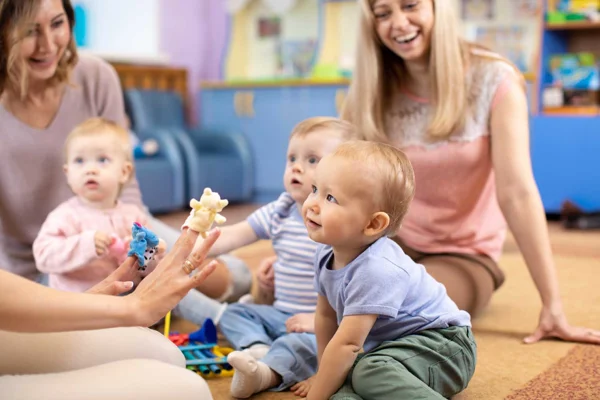
You can try to encourage the joy and excitement your baby has had in the love relationship that he's been having with you:
• Take your voice; six and y&hum; speak to your baby and hum with a different tone from soft to hard.
• Muffling with your baby and making different y<z expressions.
• Touch your baby with soft touch or massage him and tell him what you're doing in the meantime.>
• When you talk to your baby or look at it, move your arms and legs to the gentler.
•nbsp;G&nouml;Look at your baby and move it vertically to the horizontal y island; talk, talk and sing by &walking.
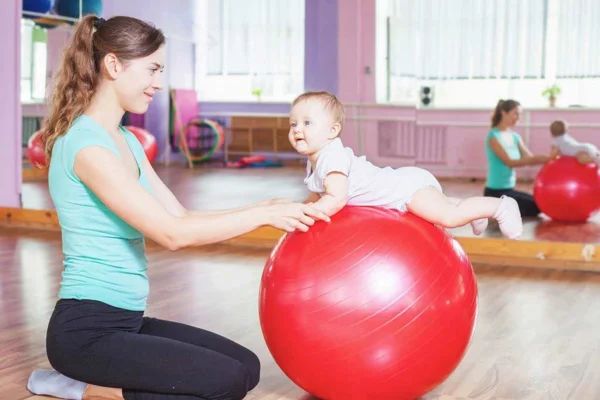
The development of your baby's muscles and senses, the development of his skills, such as his knee and language response, is essential to his affection and love.
The baby's baby's development önemie is tragically g&olummized in babies in orphanages who lack the opportunity to have a loving and uncompromising relationship with an adult. Even though they are hanging, babies rarely d&oluml; these babies rarely lose their ability to act energetically in time; they lose their ability to move forward in time; and there is no one here to reach the baby's hi-ccellable; there is no one in this condition; and even though the baby's physical, even the physical, and the language cannot be seen, even without the ability to develop their parents.
|
|