

20 Activities to Develop Your Baby's Mind and Attention
You can develop your baby's mind and attention by experimenting, experiencing, and having fun together. Here are 20 tips to help you spend enjoyable moments with your baby.
Activities to Support Communication and Language Development
1. Talk to Your Baby, But Not in Baby Talk
Talking and listening to your children is the two most important things you can do. If they don't hear you talk, they won't learn to talk, and if they don't hear you listen, they won't have a chance to practice communicating. Talk to them, and they will learn to communicate with you throughout their lives! According to research, the way you talk to your baby is different from others, and your baby will learn to talk from your words. Your loving words are beneficial for your baby's brain development.
2. Sing Songs
Singing songs and making fun with your baby will help them speak earlier.
3. Name Objects
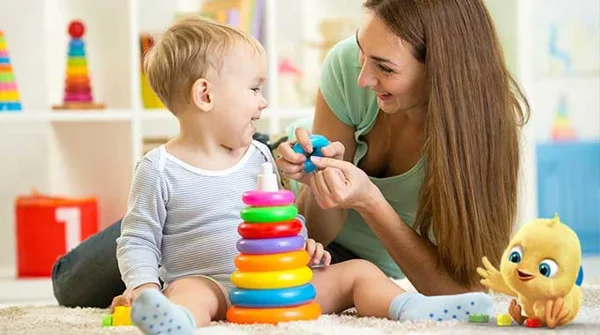
Name and describe objects, compare them with other objects, and explain what they are used for. You will see your child paying attention!
4. Eliminate Background Noise
If the sound of television, radio, or other devices is too loud, it will prevent you and your baby from listening and communicating.
5. Give Your Child Your Full Attention When They Are Talking
Try not to interrupt them, and make eye contact.
6. Read Stories to Your Child
Reading stories to your child helps them learn language, expands their perception and attention. So, make books a part of your life, and always read to your child before they go to sleep. When your child starts to be interested, read to them by showing the shapes of letters, so that some children can learn to read from the age of 3.
Music, Art, and Creativity Activities
7. Play Music
While it is not proven that classical music helps children, music will enrich your child's mental and emotional development. Some people believe that there is a connection between music and mathematical ability. However, studies show that musicians are not necessarily or better at math than other people. Early learning opportunities, such as books and communication, play an important role in children's mathematical ability.
8. Sing to Your Child While They Are Asleep
This will help your child sleep better and develop their vocabulary.
9. You Can Also Teach Things While Playing Music
"1- 2 -3 let's break it, 4- 5- 6 let's brush our teeth..." like melodies will help your child concentrate and remember words.
10. Let Your Child Discover Their Favorite Music
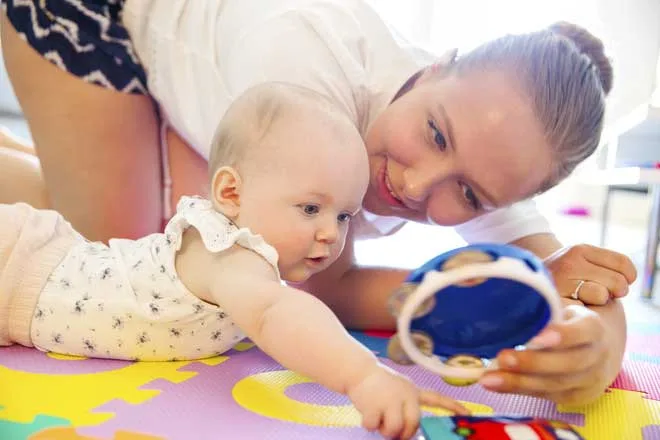
Let your child choose their favorite music. And let them make funny sounds with drums and bells.
11. Let Your Child Paint Freely
Don't prevent your children from playing with crayons and playdough, as these activities will help them develop their fine motor skills and express themselves creatively.
12. Make Your Child Feel Appreciated
Always give them compliments. Praise their efforts, and put them on the wall so everyone can see.
13. Provide Materials for Creative Activities
Provide materials for creative activities. Don't throw away egg cartons, save food packaging, and use toilet paper rolls to make crafts. You can collect leaves from the park and save paper scraps for your children to make collages.
Early Math and Concept Development Games
14. Make Numbers Part of Your Life
The earlier you teach your child math, the better they will understand and the more confident they will become. Start with small steps, such as counting stairs.
15. Find Fun Ways to Teach Numbers
Teach numbers in a melodic way. For example, "What number comes after five? Six, what number comes after six? Seven."
16. Use Large and Small to Teach About Quantity
You can start by asking questions like "How many steps are there?" or "Which one is bigger or smaller?"
17. Use Toys and Games to Teach Numbers
Use magnetic number toys, number-shaped sponges, number puzzles, or children's versions of Monopoly.
18. Divide Food into Pieces to Teach Numbers
Cut food into small pieces and have your child count the pieces together.
Screen Time and the Power of Repetition
19. Don't Use the TV as a Babysitter
Never use the TV as a babysitter. They can't communicate with your children as well as you can.
20. Repetition Helps Learning
It's okay if your child repeats the same video or content many times. Repetition helps your child learn.