

How Many Hours Do Babies Sleep? Sleep Patterns and Tips for Babies
After the first few months, babies start to sleep for shorter periods. Daytime becomes longer, with two or three periods of wakefulness, and babies are fully awake and interested in their surroundings during these times.
Before, the baby's day was characterized by short feeding intervals, brief naps, and periods of deep sleep. Now, the baby starts to engage in activities such as resting, playing, making "agucuklar" (a playful sound), distributing "gülücükler" (flowers), and observing their surroundings.
How Much Sleep Do Babies Need?
There are no strict rules about how many hours a baby needs to sleep at this stage, as sleep needs vary from baby to baby.
Some babies sleep for 18-19 hours a day, while others sleep for as little as 10-12 hours. The only certainty is that babies sleep less than in their first few months, and their sleep patterns are starting to change.
Daytime naps typically shorten to 2-3 hours, with the remaining sleep time concentrated at night, with the goal of uninterrupted sleep during these hours.
The periods of wakefulness shift to daytime. This natural daily rhythm helps the baby prepare for adult life.
6 Important Rules for Your Baby to Sleep Comfortably and Restfully
To ensure that your baby has a peaceful and uninterrupted night, it is important to pay attention to the following details:
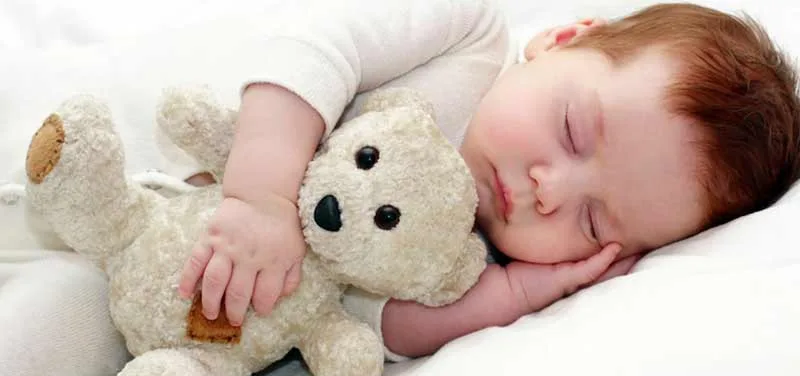
Keep the Bedding Simple: To prevent the bed from becoming a battlefield, avoid using too many blankets, pillows, and bumpers. Also, avoid overdressing your baby.
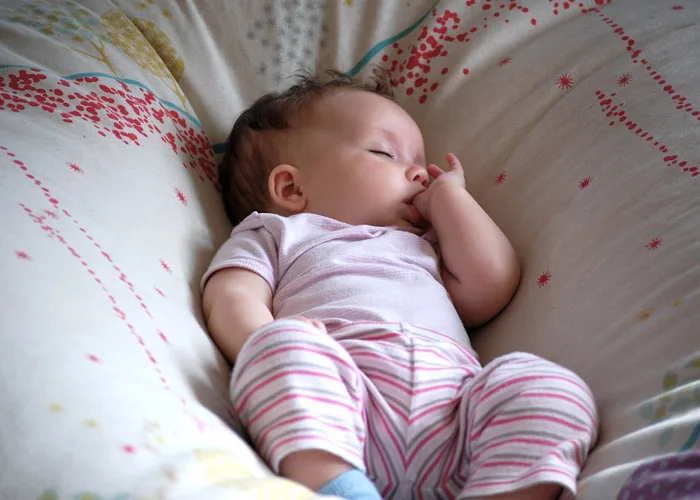
Dress According to the Season: In the winter, if the room is warm enough, one layer of pajamas or a cotton onesie is sufficient. In the summer, you can dress your baby in a sleeveless onesie with short sleeves.
Control the Room Temperature: In the winter, the room temperature should be continuously monitored and maintained between 18-20°C. An overly warm room can cause restlessness and dehydration.
Create a Bedtime Routine: When it's time for your baby to sleep, put aside all other tasks for a few minutes and go to their side.
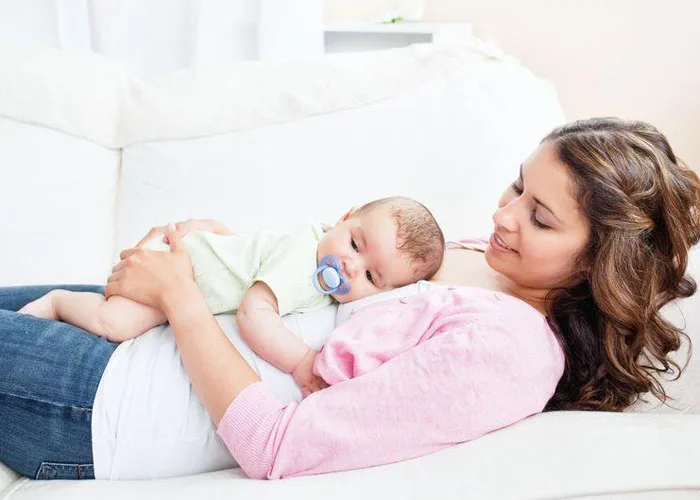
Prepare with Love: Talk to them gently, smile at them. Make sure every look and every sound you make is soothing and helps them drift off to sleep.
Limit Daytime Naps: Limiting daytime naps helps to maintain a more consistent nighttime sleep.
If you have any concerns about your baby's sleep patterns, development, or the physical conditions of their room, it is best to consult with a pediatric healthcare professional.
Frequently Asked Questions (FAQ)
How many hours do babies sleep on average?
In the newborn period, sleep lasts 16-18 hours, but as the baby grows, this time can vary from baby to baby, but it can range from 10 to 16 hours on average.
What should be the temperature of the baby's room?
According to experts, the temperature of the baby's room should be between 18-20°C in the winter. An overly warm room can cause restlessness and dehydration.
Does daytime sleep affect nighttime sleep?
Yes. Babies who sleep for too long during the day may have difficulty falling asleep at night or may wake up frequently at night. Maintaining a balance between daytime and nighttime sleep is essential for a healthy sleep routine.