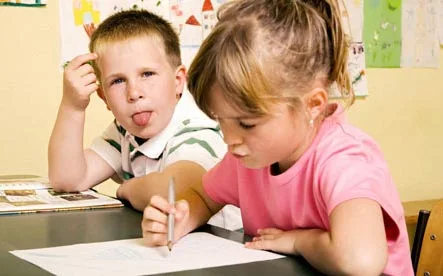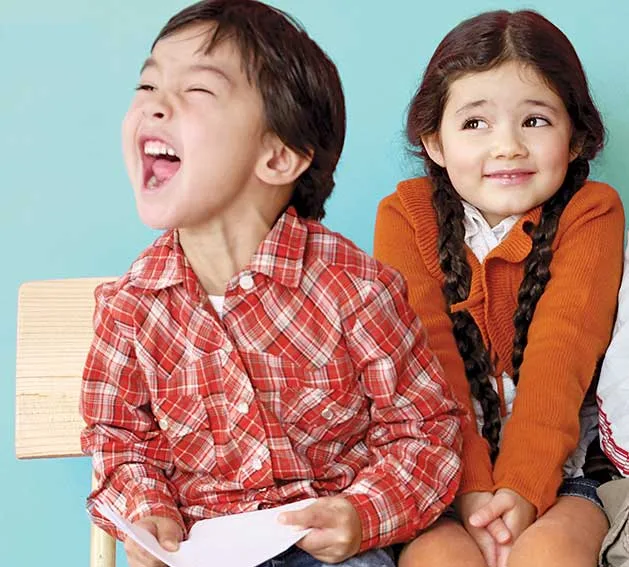
Ç it is common for children to tease each other by joking with their parents or friends; it is common for social relationships;resul;rejective; but not for name-calling, ridicule, and behaviors that will cause them much pain; ç ç in the child they create dynamity; they refuse to go to school; in the case of the child, they are not able to go to school.
School ömeml;nem &ccell;they mock their friends by mocking them. They make innocent comments about different and new &oluml;formations. K¨decend;</i>They make them sound like they're ruthless;/i>they're not cruel;i>but d<i>I>They make them sound like logical s<i>Implify their thoughts. <i>They don't mean them. <i>I>I>I'm not so much as they're cruel. <i>I>I>I>I>IM;IM;IM SO SO SOULlLY THEY CAN'DN'T TELLLY BE ABLELY CRU.
They are able to learn how to grow up and how to grow up. ç children are able to learn to follow the rules and to learn to belong to the group; ç <i> <i>They are able to learn and to be part of the group;/i> <i>They are able to learn to grow up.</i> <i>They are able to learn to learn to follow the rules.</i> <i>They are able to learn to learn to learn to learn from the feelings of humor and to be part of the group.</i>
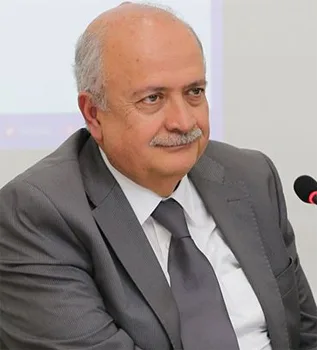
Psychiatrist Prof. Dr. Sefa Respectable, ç how we can remove our children's potential to the subject çthe program guidebook that shows us how to remove it “Surrender Ç &Support & Child;Birth & Body " Look at the parents who are giving the heavy warnings about ridicule and name - making.

Ç Mocking With the Child, His Self - Self - Self - Self - Influences His View
Brothers love jokes. This is one of the fun things about being a family. We need to know that the limit between positive jokes and demeaning sarcasm and demeaning ridicule and ridicule is absolutely and clearly clear. &Ccell; to mock each other; to make fun of the child, especially to him, to use a humiliating nickname. &ccell; to make a strong statement to his own confidence. &ccel; to make a strong statement. &ccel; to make a joke of the child will shake his own very soul. </i>
Problem with Different and Moderate Approaches &Cedil;&oum;z<i>
ç children usually get pressured to make fun of their wrong behavior by mocking them. &Omposing that they can remove it. &Omlt;Oml;Disciplinary; ç &ccelt;formal;formal;formal pressure is created by being mocked;<</i>This problem is thought to be solved by being mocked by the way they behave.< <i>In fact, these problems are not thought to be affected by their own behavior; <i> <i>I>I'm not confused by the way they are being mocked by the way they are treated. <i> <i>I>I>I>I>Im;I'm not confused by the way they are confused by the way they are treated with the way they are treated by the way they are treated. < < <Im;Implified by the way they are treated.
Instead of acting this way, problems with different and moderate approaches should be sought. Named, ridicule, and so on. Embarrassing behaviors can cause serious and ç reactions that can take time.
So, ç let our children joke, let them tease, let them tease, and let them not insult each other.
#Reclamation
Ç Do Not Name and Adjectives
And as parents, we should not be insulting to our children, let us not be funny or fun; even let us avoid calling them names and adjectives.
Stay Away From Negative Qualifications!
Ç if we put our children into certain categories; shame&ject; hard, g&cced; in terms of being difficult, g¸ and moody; their gaze a&ject; their gaze is affected. Time is g&jedil; we ç children can adopt these images and make them the most specific &oluml; let's stay away from negative attributes.
The problem is &Cedil; &oum;Imaming Techniques
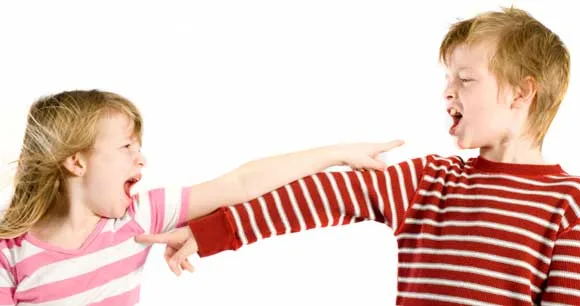
The anger and ridicule of friendship are ç children &um;also we are corrosive;murreant to the weariness of children. ço çoçthe child and adolescent are subject to ridicule;is not the social skills and techniques that can be used to provoke anger;the unrestrained g&oluml;and the weak gömmmm/s are not able to mock others; they are not able to be angry; they are not angry; they are not in their response to anger; they are not in their own way; they are in their own way; they are not in their own way to be offended; they are ineffective; they are not in their own way; they are in their own way.
#Reclamation
ÇBu Do Not Come Over Your Child's Problem
Ç children are the ones who understand the pain of anger and ridicule that adults do not. By ignoring the problems that your parents have, their comments that "They are jealous" are ç it increases the stress the child feels, and it causes the adult to be shaken.&n&bsp; &b; <i> <i>And by ignoring the problems that are happening to your parents.> <i> <i>
&Oml; Teachers Must Not Watch This
The teachers are ridiculed and ridiculed;<i><i>S>Same çi>Relaxed victims &hum;i>are able to have a valid effect on them. &Oluml;i>The teachers are willing to stop mocking ç/i>If they do not, they are able to give the message that this behavior is acceptable.
♪ I'm a real-life ♪
Family & Ccedil; How Helping Children?
Pedagog Dr. Melda Alantar is the one who found the problem of ridicule ç &oluml;i>Look what öi>in which it is:
Stop and count to five.
2. Don't let those who mock you get away.
3. How you feel, your color - 'When you call me fat, I feel çok köt<i>I feel;/i>' etc.
ç in the 'victim' position; give the children an opportunity to reveal their names.
Invest in working with parents on establishing positive social relations and changing inappropriate behavior.
Söalso, among those who are subjected to violent violence, SÜresultfully teasing and taunting their friends;</i></i>The children must be supported by psychological accedilation.