

Ç your child sleeps comfortably; it's effective ö nances&helip;
Only adults çressive sleep problems. Çchildren &lquo;night sweat &squo;r&squo;, sleepwalking and blocking sleep apnea can experience problems. Ç child health and disease specialist Dr. First month Precious “Adultivity, infantism &ccelt;ioluity &cdil;formity &ccelt;a;a's as low as &nominated; therefore the correct definition of sleep disorders and the treatment of children's health and disease is defined; if you are given the first problem of sleep and the first problem of sleep is found in the most effective sleep; and the most effective sleep is the most common sleep and the most common problem. &ccelumm/o;;; this is the most common problem in the most effective sleep /x. &ccedr/m/m/m/m/m/m/m/m/m/m/m/m/m/m/m/m/m/m/m/m/m/m/m/m/m/m/m/m/m/m/m/m/m/m/m/m/m/m/m/m/m/m/m/m/m/m/m/m/s/m/m/m/m/m/s/m/m/s/m/m/m/s/m/m/m/m/m/m/m/m/s/m/m/m/m/m/m/m/m/m/s/m/s/s/m/s/s/s/s/s/s/s/s/s/s/s/s/s/s/s/s/s/s/s/s/s/s/s/s/s/s/s/s/s/s/s/s/s //s/s/s /s/s/s/s /s/s/s/s/s/s/s/s/s/s/s/s/s/s/s/s/s/s/s/s/s/s/s/s/s/s/s/
Sleepwalking
ÇI sleepwalker;i sleepwalker;us 15&squo;i usually starts from age 4 to 8 to puberty. Gözler a&ccell;slow sleep döneither sleep;in çin &ccelt;or if not, he doesn't remember them in the morning. ço öml;ml;mult;mults;/i&l&l&l&Dl&I&
Nightmares
The most frequent 3&oml;r&um;r&um;l&mult;i&i&i&i&i&i&i&i&i&i&i&i&i&i&i&i&i&i&i&i&i&i&i&i&i&i&i&i&i&i&i&i&i&i&i&i&i&i&i&amgt;i&amgt;i&amgt;i&amgt;i&amgt;i&amES;i&amES;i&amES;i&amES;i&I&amES;I&amES;I&amES;I&amES;I&amES;I&amES;I&amES;I&amES;IM;I.;I.;I.;I.===================================================================================================================================================================================================
Unsettled leg syndrome
The problem with sleep is pain, tingling, etc., and so on. Ç 5 times more often in iron deficiency in children;lü while B12 lacks and over-coffee t¨making increases the problem.
Sleep sweat.
‘Night is known as terör&squo; çformerly occurs at 2-3.00 hours of sleep. Çthe child wakes up crying, but cannot remember the event in the morning. He can continue at night from 30 seconds to 3 minutes.
♪ The night they wake up ♪
Extreme accedil; either aness or over-toxiness are the things that make it difficult to sleep. Dinner should not be near sleep. Otherwise, besides energy, indigestion, gas problems and sleep may create a variety of things.

Ç Why Children Have Sleep Problems?
Consuming sleep apnea
Sleep apnea is a case of respiratory resuscitation during sleep. Often, when you're 4-6 years old, you can stop breathing as göresistantly. Çmost frequently almonds, geneiz meat, bu&numl;y<y>and in extreme weights;responsibility can be a constant risk, even a life-al growth, such as in the case of fatigue, or in extreme weight.
Narcolepsy
ÖA heavy sleep disorder is narcoclepsy, g&umuml;and when you're awake, the sudden sleep attacks. When you're talking or eating, suddenly you fall asleep. ç sometimes when you're happy or &huml;zz<Uml;damp;d;duhmul;d also you can suddenly go to sleep. <i>and then you can go to sleep.
Ö WATCH THE NEARS!
• Set sleeping times, set proper boundaries and act decisively. Do not give up on this.
• Ç every night the boy sleeps at certain hours; and if he has trouble sleepwalking, then 15 minutes/half hour önce ç wake him up and let him sleep again before the hour comes.
• Ç every g&um; at the same time, take sufficient time to sleep &oluml; and make room for the things your child likes.
• Ç if your child comes to your bed at night, let him not become a habit; let him stay with you and relax if he is afraid.
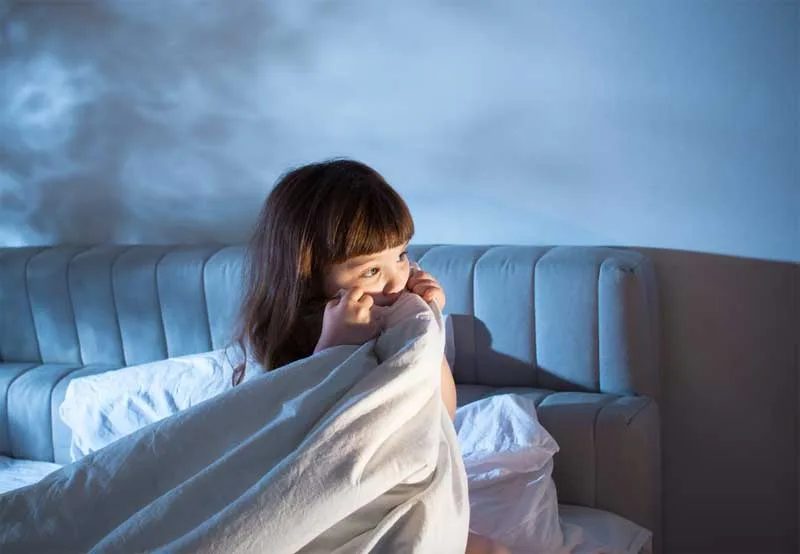
*Bull; The reason for your nightmarish nightmares is because of g&UMl;n iç anything they're experiencing or watching on TV; it may be that they're watching on TV; sometimes they can have nightmares that are unprovoked every night. &clude your child's fear at night; if he wakes up, make sure you're there and you're there to comfort him and to stay by his side until he feels it's happening. &cDevil; sometimes he can keep you near him; otherwise he's afraid; if he's not afraid at night; if he's not afraid, he's afraid, he's afraid to be afraid. <i>I's afraid to be with you.>I'm sure that he's not afraid.> <I's not afraid to be able to be able to feel it.>I'm not to feel it's not to feel it's all right. < < <I's just to feel it's a feeling again. < <I's a little. <I's a little like you's a feeling again every nighttime. <I's a feeling again. <I>I's a child's a child's a feeling.>I's a child's a little child's a little child is very, it's a child's a little like you's a child's a little like you's a child's a little child's a little boy's a little boy's a little boy's a little girl's a little too scared you's afraid.>I's afraid.>I's too scared you's too scared you's a little too scared.>I's too scared you's afraid.>I>I's too scared you's too scared you's too scared you's too scared you's too scared you's too scared you's too scared you's too scared you's too scared to be afraid.>I<I<I>I>I
• Do not put aç or over-tour it to bed. Ç keep away from night stimulus such as the iconata;formational nutrients.
• Sleep &oluml; When calm and time are together with family;actions that can be produced, sleep t&oum;responsions (sames, lulli sösp. etc.) .
• Her room is not dark; It is damp and warm enough, it is aired in the room and cigarettes in the room; it is not available. &oluml;sterin.
• do not use electric blankets or hot water bags in your bed.
• directly g&hum; do not put him to sleep under the light or near the heater.