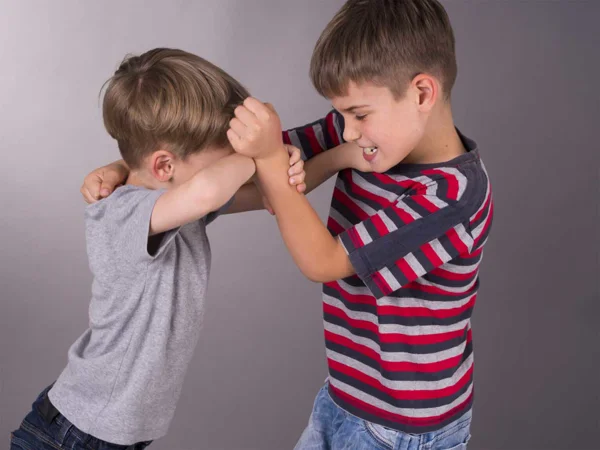

Experts state that violent behavior in children and adolescents does not appear suddenly, but is the result of a long developmental process. Emphasizing that individual characteristics, family relationships, traumas, peer pressure, and the importance of digital content are important risk factors, Child and Adolescent Psychiatrist Dr. Ozlem Hekim said, "The family must be in close contact with the child. They should know their friends and teachers, and be knowledgeable about digital content. They should be aware of the changes they have observed in behavior."
Child and Adolescent Psychiatrist Dr. Ozlem Hekim made important statements about the risk factors, early warning signs, and the responsibilities that families, schools, and mental health professionals should take to prevent violence in children and adolescents.
Violence Erupts as a Result of the Accumulation of Individual and Environmental Risk Factors
Explaining that the reasons for violence are often a matter of curiosity, Dr. Ozlem Hekim said, "First, violence is not an action that appears overnight. It is the result of a long developmental process, and this process can contain many risk factors."Dr. Hekim emphasized that the child's individual characteristics are very important in this process. He said, "In addition, family relationships, traumatic events in the family, or the child being exposed to another trauma, peer relationships, peer pressure, communication with teachers and other people in school, and the child's use of drugs or alcohol are also risk factors."
It Is Important To Not Take Violent Behavior in Children Lightly
Dr. Hekim noted that there are some risk factors that should be paid attention to, especially in children and adolescents who show or are at risk of showing violent behavior. He said:"These include, especially in the last few months, the child's frequent talk about violence and attacks, exposure to violent games and scenes in digital environments, sometimes starting to harm themselves or others, or mentioning a plan to attack a friend or someone in their environment, or searching for knives, cutting tools, explosives, or weapons in the family environment. These situations should not be taken lightly."
Families sometimes evaluate these behaviors as "it's just a phase, it's normal," so awareness must be high. It is very important to communicate with families, schools, and mental health professionals."
A Strong Emotional Bond with the Child Is a Protective Factor Against Violence
Dr. Hekim said that the responsibilities that families, teachers, and schools have to prevent violence in children can be categorized. He said, "First, the family's relationship and a strong emotional bond with the child is very protective. The family should not only have a relationship with the child based on lessons, but also emotionally."Dr. Hekim emphasized the importance of the family being in close contact with the child. He said, "They should know their friends and teachers, and be knowledgeable about digital content. They should be aware of the changes they have observed in behavior and seek help from the school's counseling services, teachers, or mental health services when necessary."
The Goal in Preventing Violence Should Be To Help, Not To Label the Child
Dr. Ozlem Hekim, who discussed the measures that should be taken to prevent violence in schools, said, "Developing empathy, managing anger, and approaching crises are very important. Supporting values education is also very important in reducing violent behavior."Dr. Hekim emphasized the importance of an approach focused on helping, not labeling the child. He said, "It is very helpful for a team consisting of school, family, and mental health professionals to intervene with the understanding of 'How can we help?' The goal is not to label or stigmatize, but to help and prevent violent behavior."
It Is Important To Tell Children That Sharing Violent Plans Is Not "Spoofing"
Dr. Hekim said, "In recent studies, it has been observed that children and young people share their violent plans with someone before committing violent acts."Dr. Hekim said, "It is important to tell students that sharing this information with school mental health professionals is not "spoofing," but rather a helpful behavior that can help their friends. To avoid making students reluctant to share this information, a sympathetic and supportive approach should be taken."
It Is Important To Pay Attention To Dangerous Tools And Weapons In The Home To Prevent Violence
Dr. Ozlem Hekim emphasized that families and schools should not keep dangerous tools and weapons in the home. He said, "If they must keep them, they should be kept in very secure and locked places. Teenagers are very curious and impulsive, and these weapons can get into their hands at unexpected times."Dr. Hekim also warned about violent content in digital games. He said, "While it is important to limit the use of violent games, I believe that playing these games under control is also a protective mechanism. Keeping track of the time spent playing games and being aware of the process is also important."